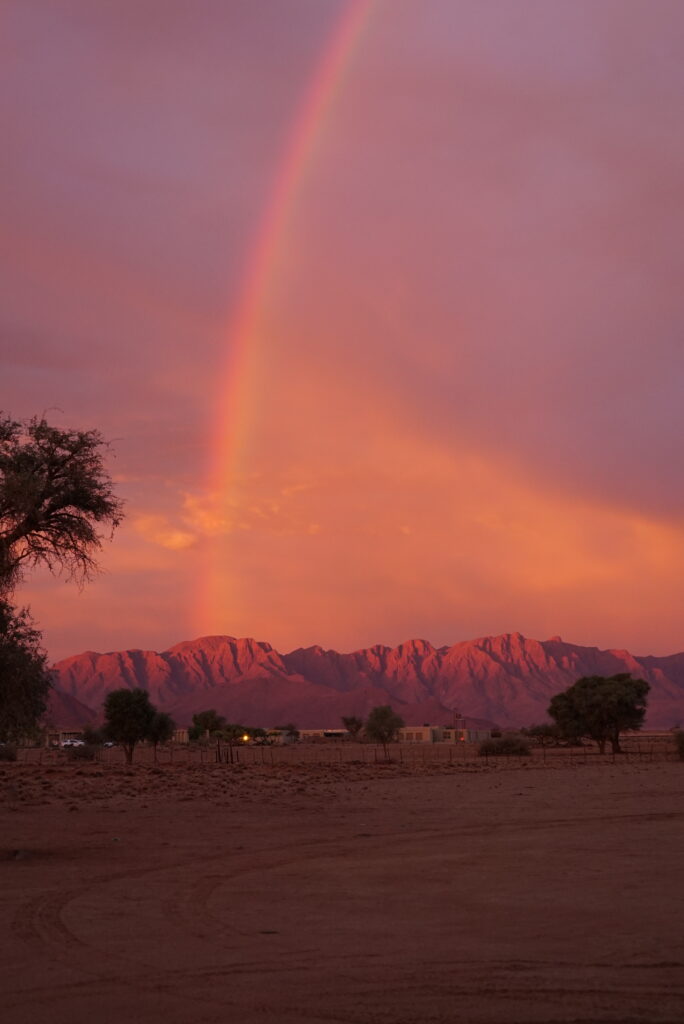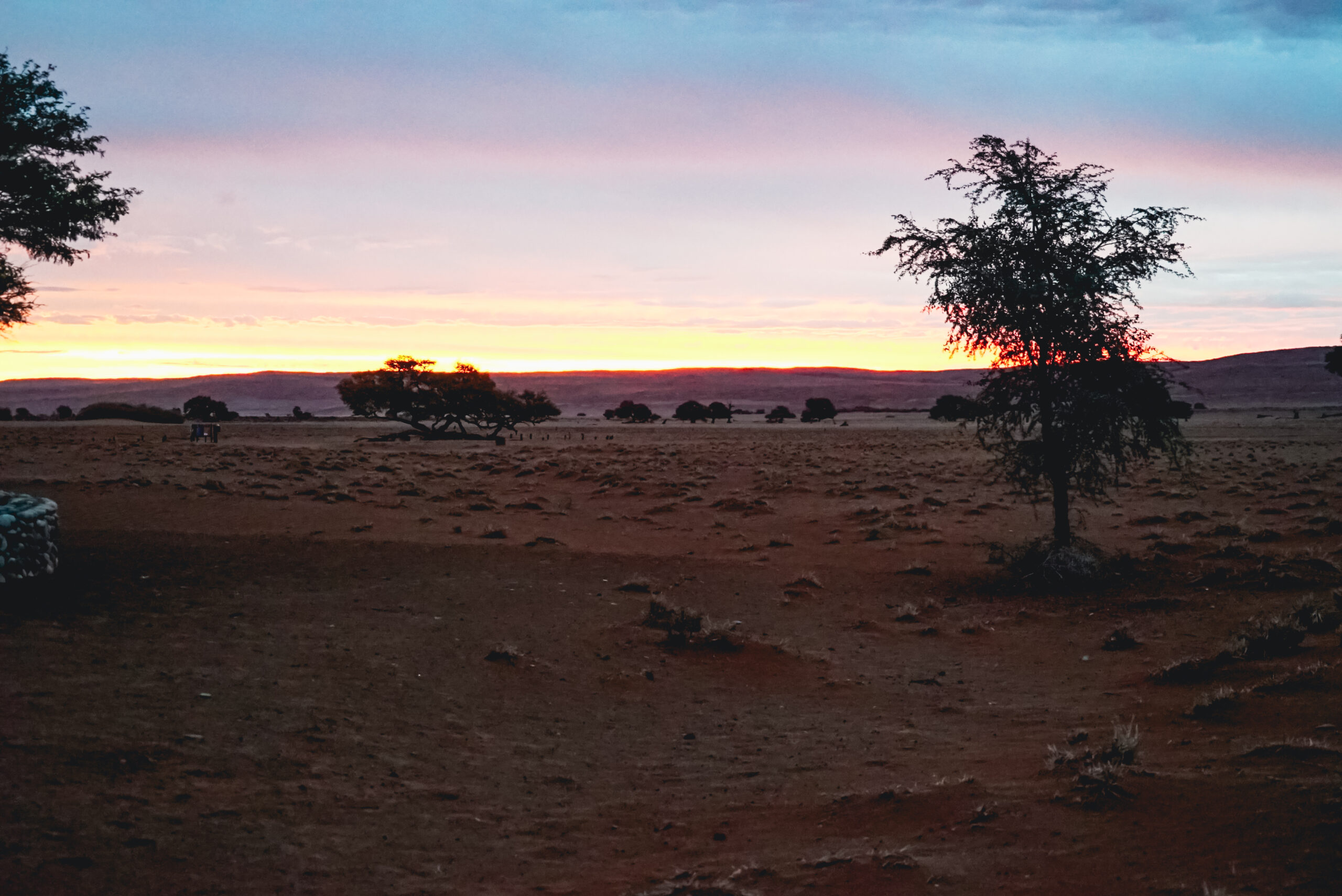




Yala National Park feels raw from the very first moment you enter. Where Udawalawe is open and calm, Yala is dense, dramatic, and intense. Thick jungle, scrubland, lagoons, and rocky outcrops create a landscape that feels unpredictable and powerful.
This is Sri Lanka’s most famous national park — not because it’s easy, but because it’s wild. A safari here feels like stepping into nature’s territory, not the other way around.
A Short History of Yala National Park
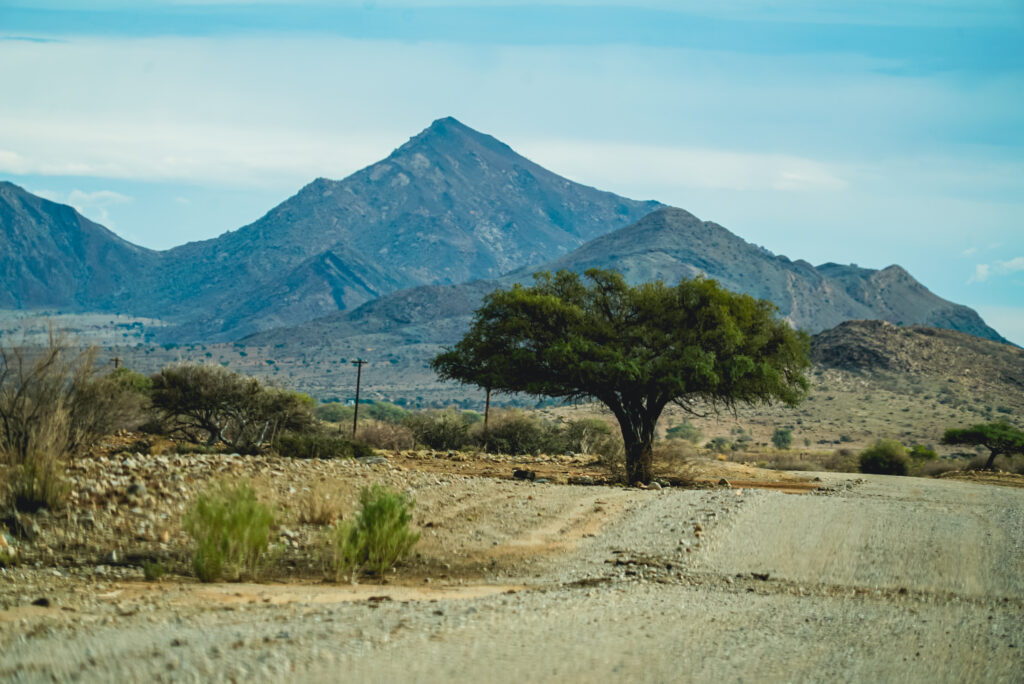
Yala was originally designated as a wildlife sanctuary in 1900 and later became a national park in 1938, making it one of the oldest protected areas in Sri Lanka. Historically, this region was once inhabited and cultivated, but over time nature reclaimed the land.
Today, Yala plays a crucial role in wildlife conservation, especially for predators. It’s also one of the most biodiverse parks in the country, combining jungle, grassland, coastline, and freshwater systems.
The Safari Experience – Intense & Unpredictable
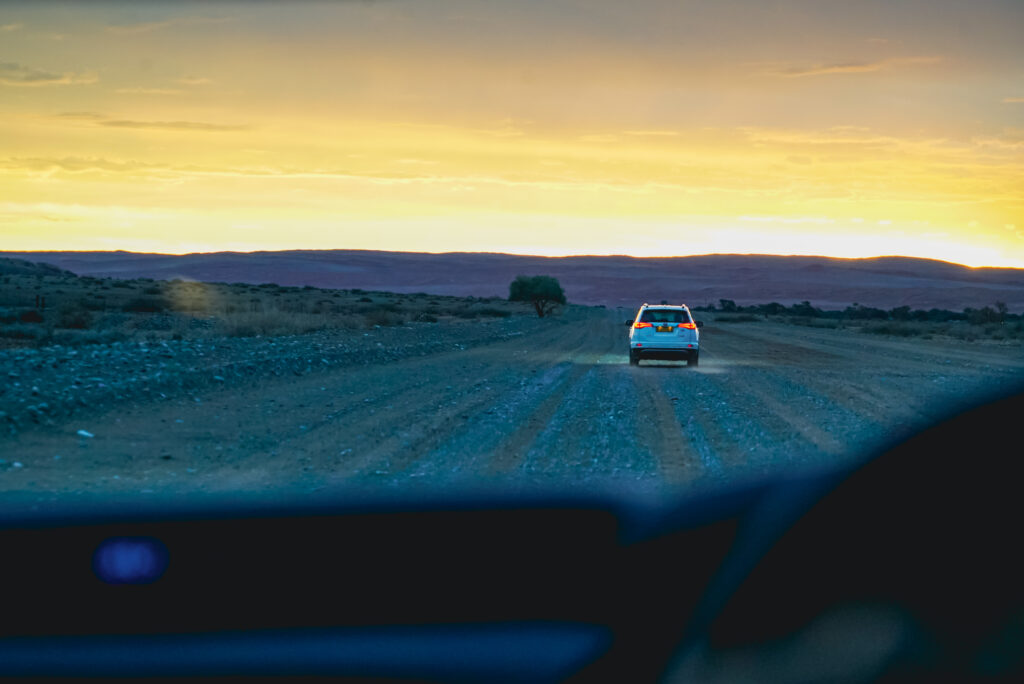
A safari in Yala is fast-paced and thrilling. You head out in a 4×4 jeep, usually before sunrise, when the park is still cool and quiet. The atmosphere is electric — every rustle in the bushes feels important.
Drivers are highly skilled and constantly scanning the terrain. Jeeps move between dense forest and open areas, passing lagoons where animals gather. Unlike Udawalawe, sightings here require patience — but the reward can be extraordinary.

Leopards – Yala’s Crown Jewel
Yala is famous for having one of the highest leopard densities in the world. Seeing a leopard here is never guaranteed, but the chances are significantly higher than anywhere else in Sri Lanka.
Spotting one lounging on a rock, crossing the road, or disappearing into the jungle is pure adrenaline. Even the possibility of seeing a leopard shapes the entire safari experience — everyone is alert, silent, focused.
Elephants, Sloth Bears & Other Mammals
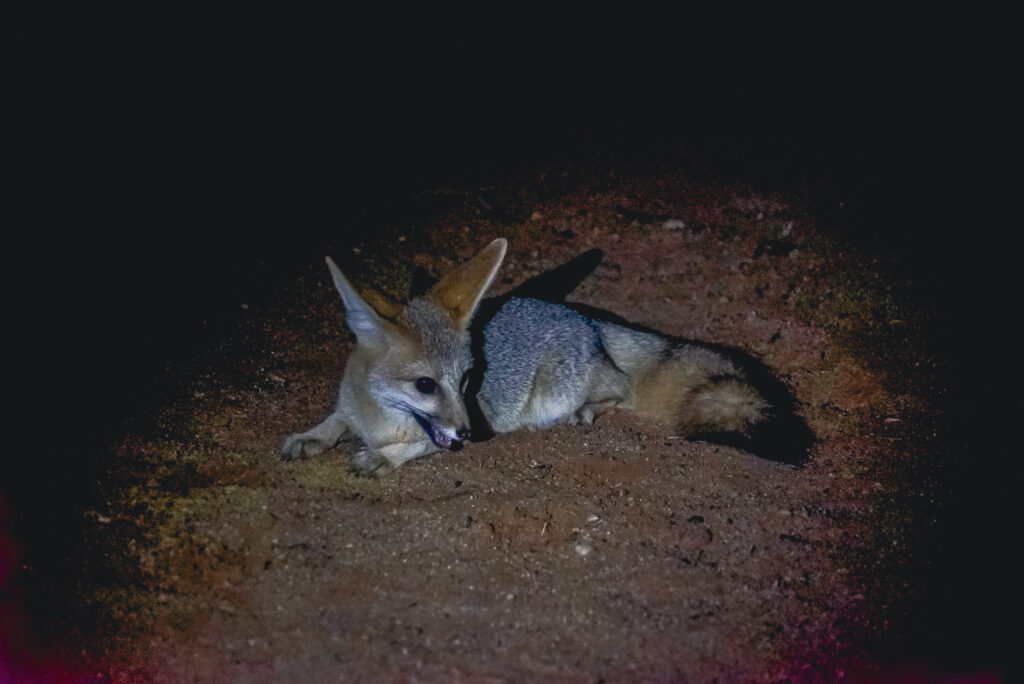
While leopards steal the spotlight, Yala is also home to elephants, sloth bears, jackals, spotted deer, sambar deer, wild boar, and mongoose.
Elephants here often appear suddenly from dense forest, making sightings dramatic and close. Sloth bears are rare but possible — especially during fruiting seasons. Every drive feels different.
Birdlife & Lagoons – A Softer Side of Yala
Yala’s lagoons and waterholes attract an incredible variety of birds. Flamingos, pelicans, storks, eagles, and peacocks are commonly seen. The contrast between intense predator tracking and peaceful birdwatching is what makes Yala so balanced.
Morning light reflecting on water surfaces creates stunning photographic moments.
The Landscape – Jungle, Coast & Open Plains
What makes Yala unique is its diversity. One moment you’re deep in jungle, the next you’re driving past open plains or coastal lagoons near the Indian Ocean. This variety supports a wide range of wildlife and keeps the safari visually exciting.
It never feels repetitive — every section of the park tells a different story.
Staying Inside the Wild – Sleeping in a Treehouse
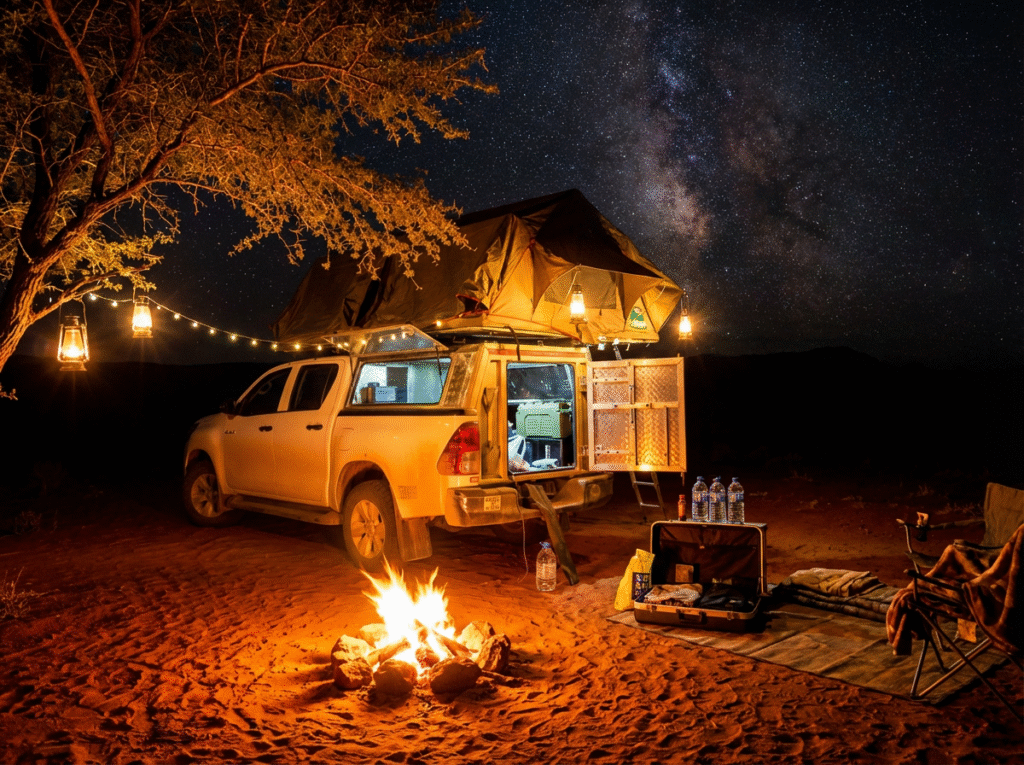
One of the most unforgettable parts of our Yala experience was overnighting in a luxury treehouse near the park. Elevated above the ground, surrounded by nature, and completely immersed in the sounds of the wild — it felt unreal.
At night, you hear insects, distant animal calls, and rustling leaves. There’s no city noise, no distraction — just darkness and stars. Dinner was a luxury, candle-lit experience, served in the middle of nature. Lunches and breakfasts were equally refined, blending comfort with wilderness.
This wasn’t just accommodation — it was an experience.
Food & Dining – Safari-Style Luxury
Many lodges around Yala offer full-board experiences, meaning breakfast, lunch, and dinner are included. Meals are often beautifully prepared, with a mix of Sri Lankan and international cuisine.
Eating high-quality food while surrounded by jungle adds a surprising layer of comfort to the adventure.
Where to Stay – Lodges & Camps Near Yala
Yala offers a wide range of accommodation: from simple guesthouses to luxury tented camps and treehouses. Staying close to the park gates is essential for early safaris.
If your budget allows, splurging on a safari lodge or unique stay is absolutely worth it here.
How to Get to Yala National Park
Yala is usually reached by car or private driver from Ella, Tangalle, Mirissa, or Udawalawe. Public transport exists but isn’t ideal due to early safari start times.
Combining Yala with Udawalawe or the south coast creates a perfect wildlife route.
Entrance Fees & Safari Costs
Entrance fees are similar to Udawalawe, around USD 25–30 per person. Safari jeep prices range from USD 50–80 per jeep, depending on park section and season.
Morning safaris are the most popular and often the most rewarding.
Best Time to Visit Yala
The dry season (February to July) is generally considered the best time for wildlife sightings, as animals gather around water sources. Early mornings offer the coolest temperatures and the best light.