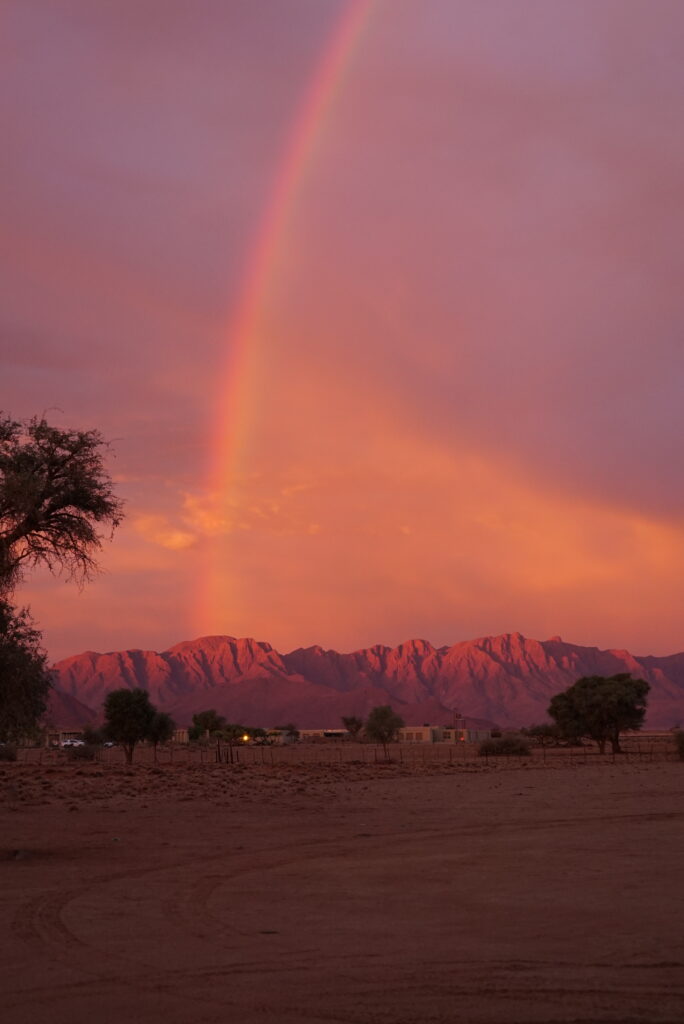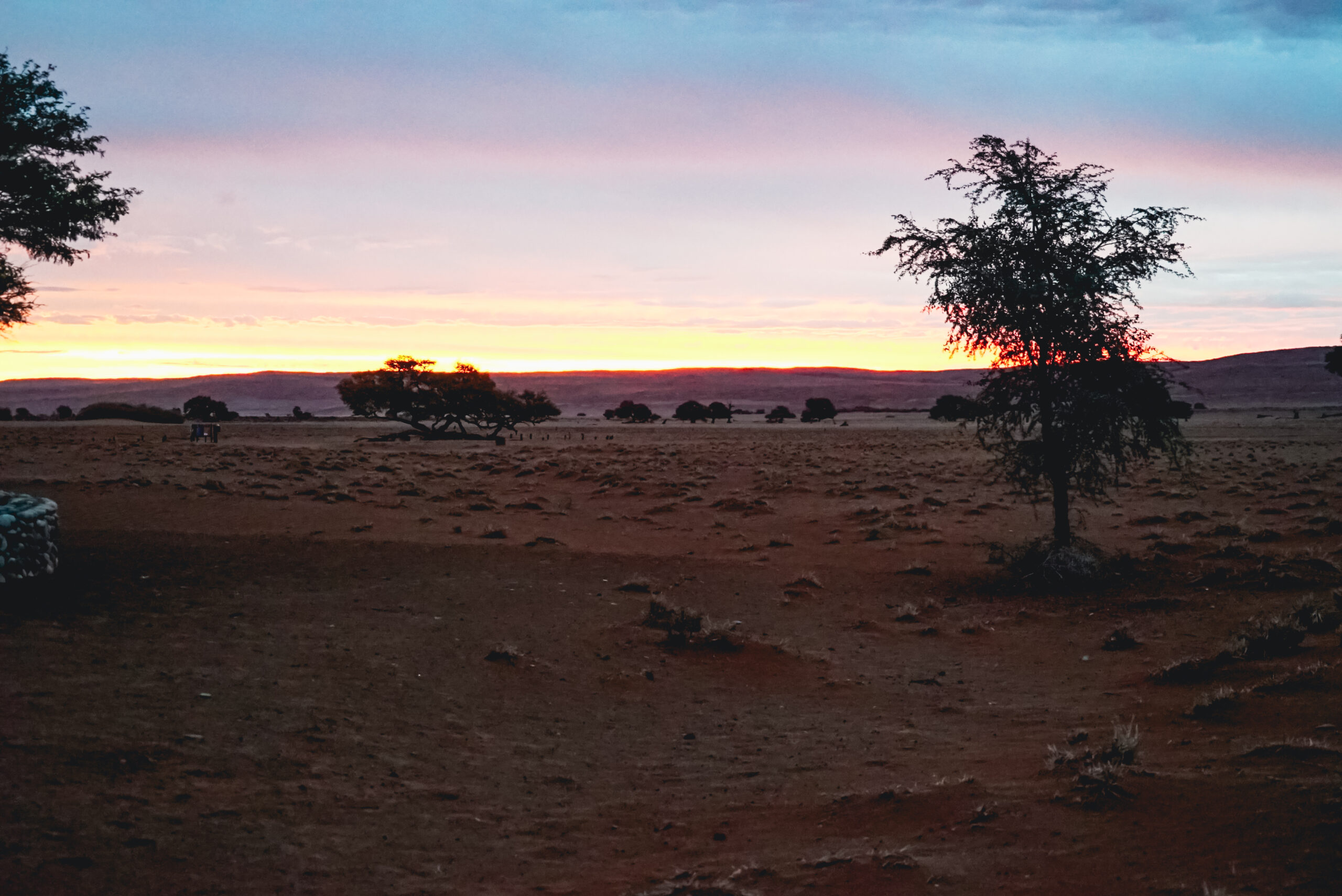




Wadi Rum is one of those places where the world suddenly becomes very quiet. No traffic, no buildings, no noise — just endless desert, massive rock formations, and a sky that feels bigger than anywhere else. Wadi Rum is not a destination you rush through. It’s a place you experience slowly, with dust on your shoes and silence all around you.
Often called the “Valley of the Moon,” Wadi Rum feels almost unreal. The colours change throughout the day, from soft orange in the morning to deep red at sunset, and finally to pitch-black night filled with stars. From the moment you arrive, you know this is going to be something special.
A Short History of Wadi Rum
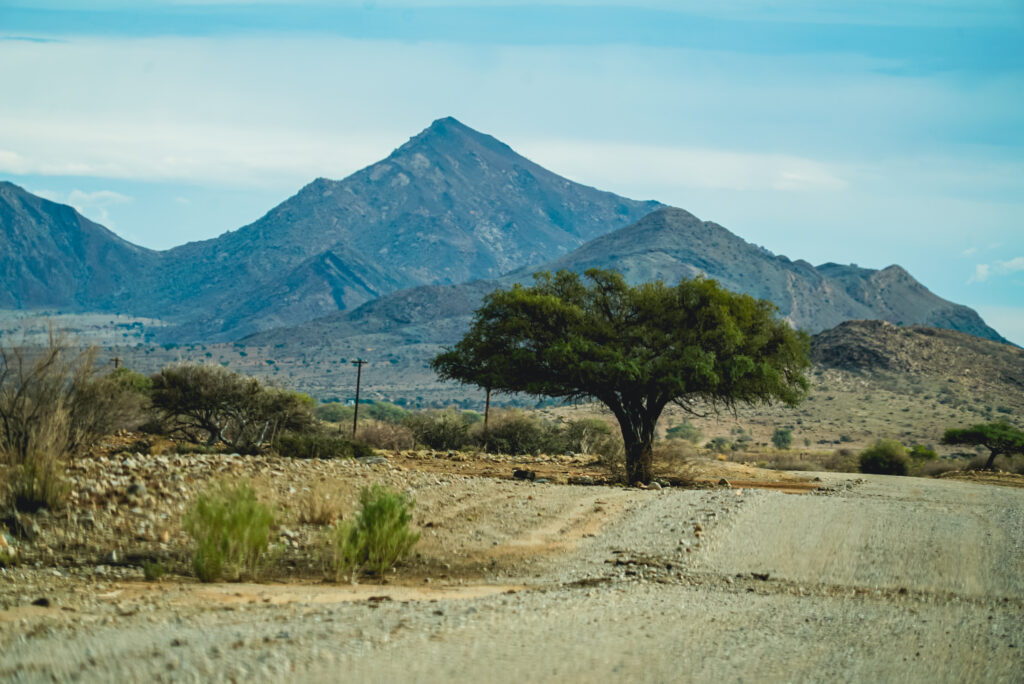
Wadi Rum has been inhabited for thousands of years. Ancient tribes passed through this desert long before modern borders existed. You can still see Nabataean inscriptions carved into the rocks, reminders that this desert was once part of important trade routes connecting Arabia with the wider region.
The Bedouin people have lived here for generations, mastering life in one of the harshest environments imaginable. Their knowledge of the land, the weather, and survival in the desert is deeply rooted in tradition. Wadi Rum also became internationally known through films like Lawrence of Arabia, which captured its dramatic landscapes and timeless feeling.
How to Get to Wadi Rum
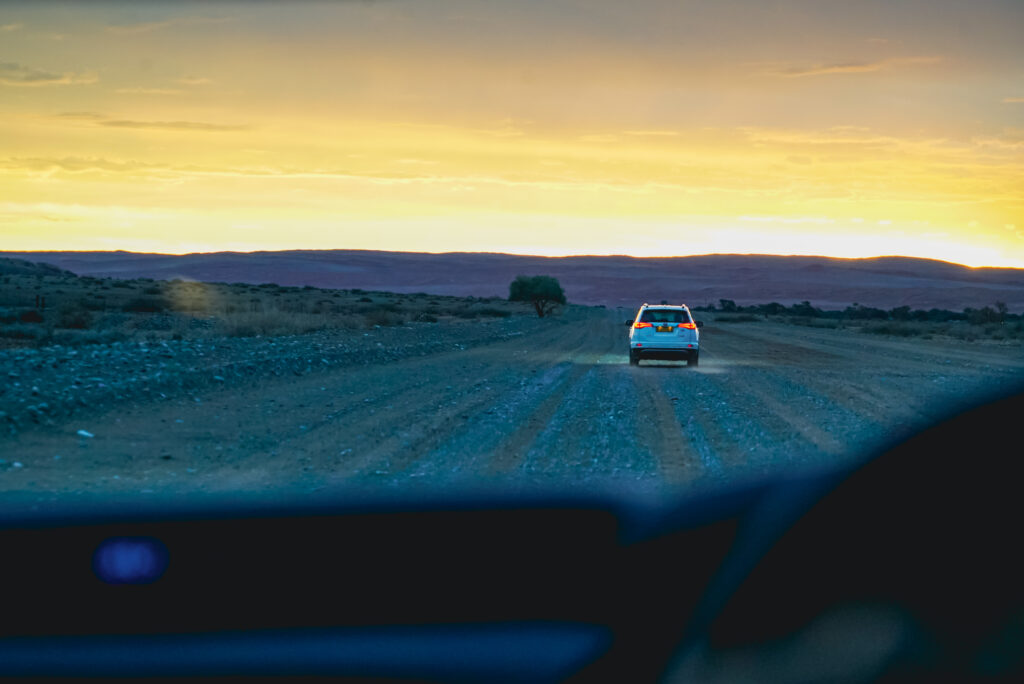
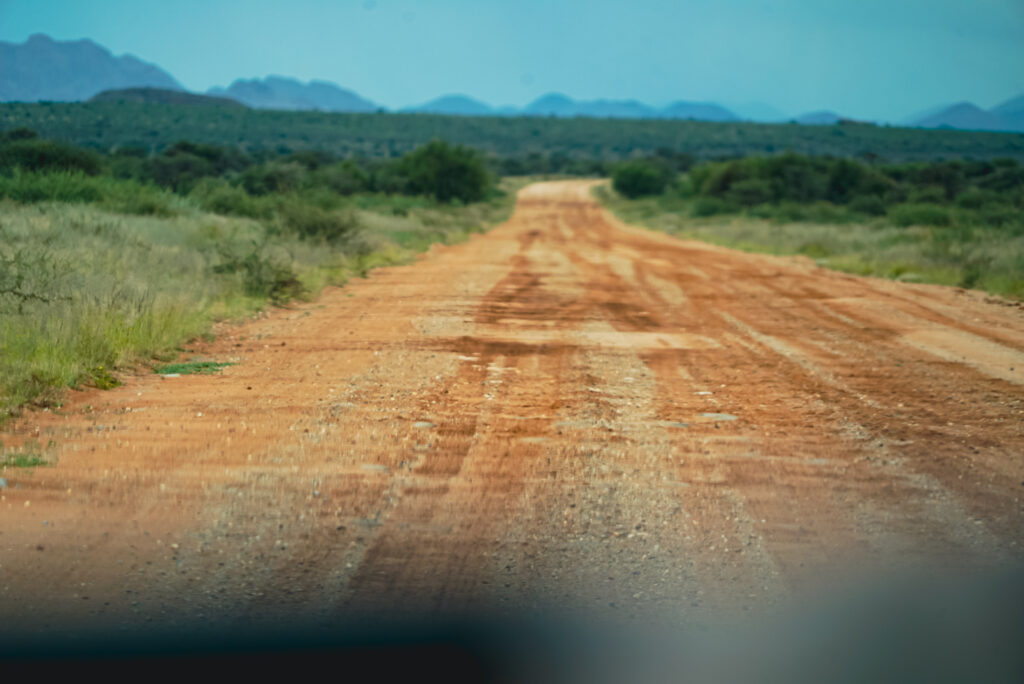
Most travelers reach Wadi Rum from Aqaba, Petra, or Amman. Renting a car is one of the easiest ways, as roads are good and distances are manageable.
It’s also possible to book a trip from Eilat, if borders are open and conditions allow. Border situations can change, so it’s always important to check current travel regulations in advance. From whichever direction you arrive, you enter Wadi Rum via the Visitor Centre, where your desert camp usually picks you up.
Arriving at the Desert Camp – The Experience Begins
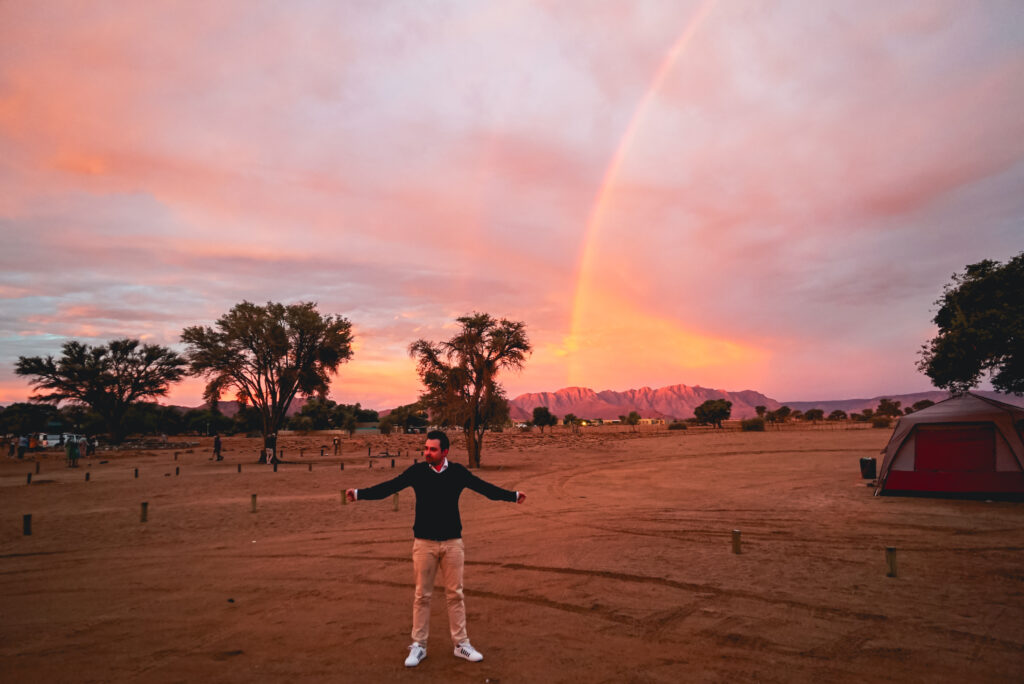
Once you arrive at the Wadi Rum Visitor Centre, the real adventure starts. The camp you booked sends someone to pick you up, usually in a 4×4 jeep. From that moment on, you leave normal roads behind and drive straight into the desert.
The ride itself is an experience — bouncing over sand, weaving between rocks, and slowly disappearing into the vast emptiness. When you arrive at the camp, you’re welcomed with a warm cup of sweet Bedouin tea. There’s no rush, no check-in desk, just hospitality and calm.
Staying Overnight in Wadi Rum
Staying overnight in Wadi Rum is not optional — it’s essential. One night is good, but two nights is ideal. The desert changes constantly, and staying longer lets you fully disconnect.
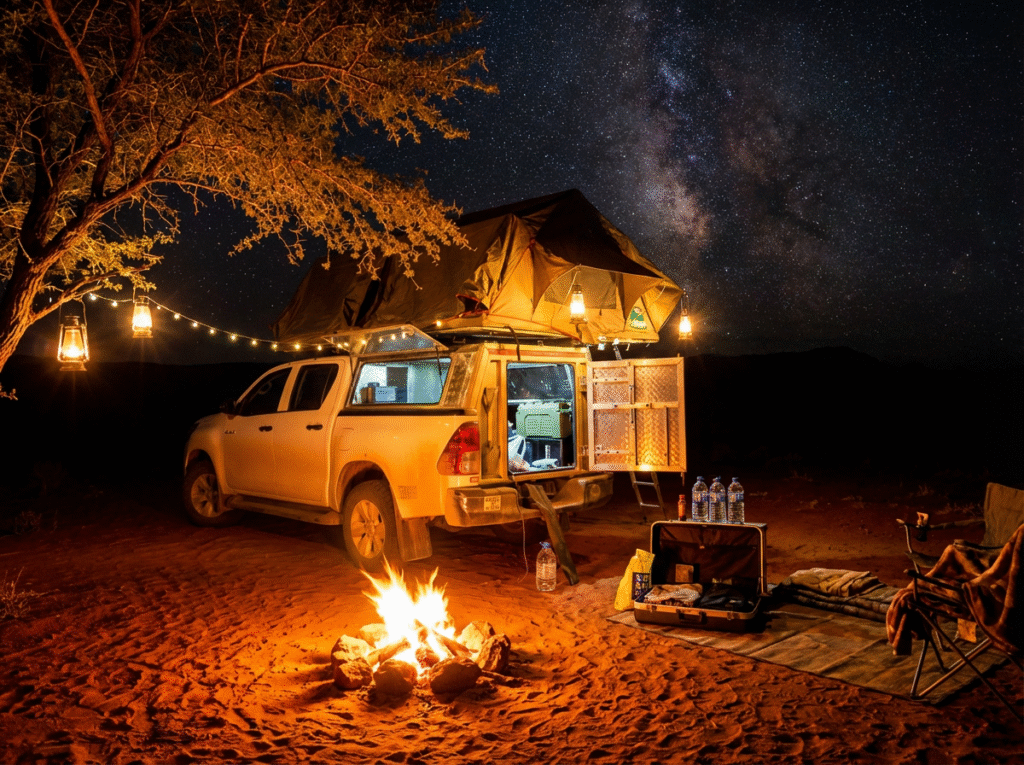
Most camps have little to no internet connection. Some offer WiFi, but it often shuts down after sunset because camps rely on solar power. Once the sun goes down, electricity is limited — and honestly, that’s part of the magic. No screens, no notifications, just stars, firelight, and conversation.
At night, the sky explodes with stars. With almost no light pollution, the Milky Way is clearly visible. It’s one of the best places in Jordan — if not the world — for stargazing.
Dinner & Evenings in the Camp
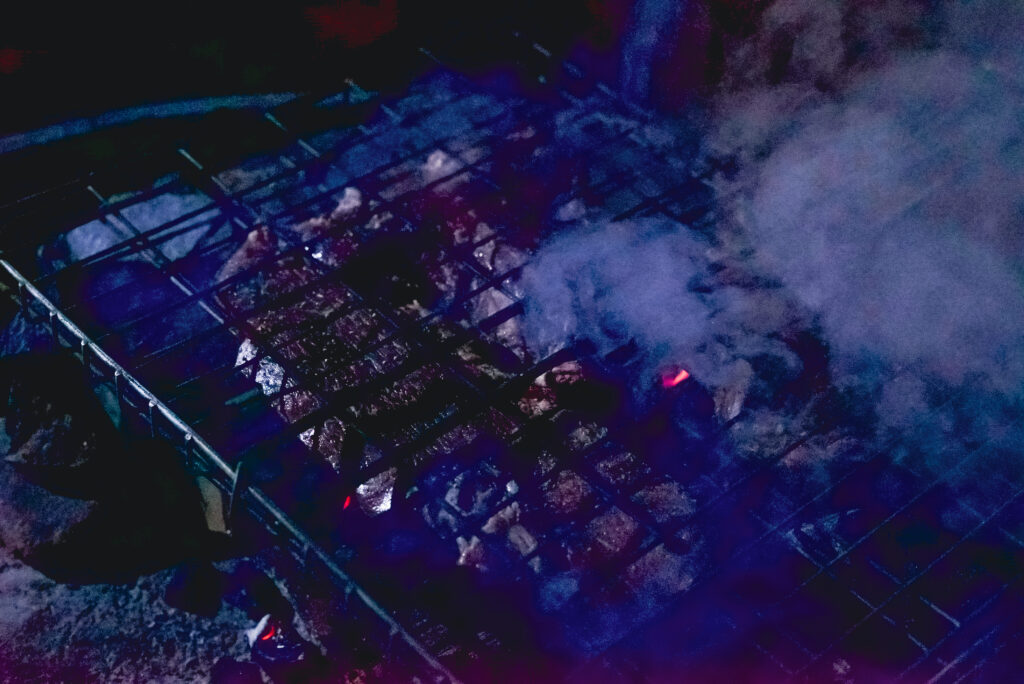
Dinner in Wadi Rum is a highlight on its own. Most camps serve traditional Jordanian food, often cooked underground in a Bedouin-style method. The food is hearty, flavourful, and shared together.
After dinner, guests usually gather in a large tent. If you feel like socialising, you sit together, drink tea, talk about travels, and listen to stories. If you prefer quiet, you can step outside and enjoy the desert silence. There’s no pressure — everything moves at desert pace.
This part of the experience feels incredibly authentic and human. Simple, warm, and memorable.
Driving Deep into the Desert
The tour starts the moment you leave the Visitor Centre. The jeep drives straight into the open desert, away from paved roads and signs. With every kilometre, the landscape becomes wider and quieter. Massive rock formations rise from the sand, and the feeling of scale is overwhelming. This drive alone already feels like an adventure, especially when you realise how remote everything is.
Natural Rock Bridges
One of the first highlights is visiting the natural rock bridges scattered throughout Wadi Rum. These enormous stone arches were shaped by wind and time, and standing underneath them makes you feel incredibly small. You can climb up for views over the desert or simply stand in the shade and take it all in. The silence here is intense and beautiful.
Ancient Inscriptions & Petroglyphs
Hidden in the rocks, your guide will point out ancient Nabataean inscriptions and carvings. These markings are subtle but powerful reminders that people lived, travelled, and traded through this desert thousands of years ago. Seeing these symbols in such a harsh environment makes you realise how long humans have adapted to life here.
Narrow Canyons & Rock Corridors
The jeep tour often takes you through narrow canyons where towering rock walls close in from both sides. These passages feel cooler and more intimate than the open desert. Walking through them, you hear your footsteps echo softly, and the colours of the rock shift from deep red to orange and brown depending on the light.
Bedouin Camp & Afternoon Tea
One of the most memorable stops is a visit to a small Bedouin camp in the middle of the desert. Here, you sit down in the shade and are offered sweet Bedouin tea. This moment is simple but special. You rest, talk, and watch the desert pass slowly by. It’s not rushed — it’s about hospitality and connection.
Open Sand Valleys
After tea, the tour continues through wide, open sand valleys where the desert stretches endlessly in all directions. These areas are perfect for photos, short walks, or simply standing still and listening to the wind. This is the classic Wadi Rum image — red sand, blue sky, and nothing else.
Sunset in the Desert
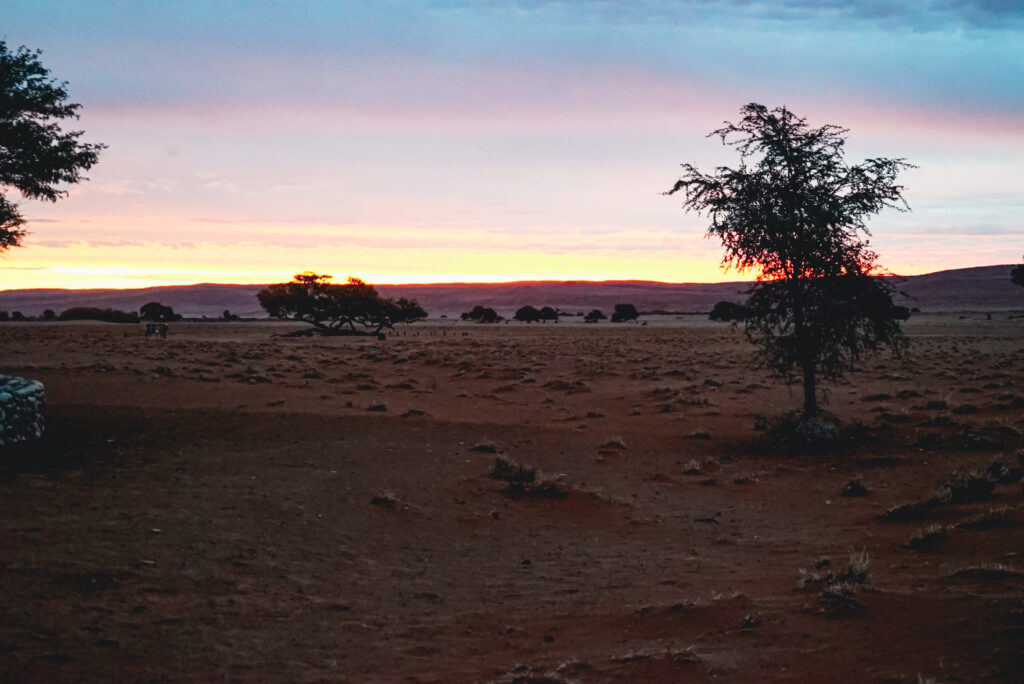
As the day comes to an end, the jeep drives to a high viewpoint to watch the sunset. This is one of the absolute highlights of Wadi Rum. The rocks glow deep red, shadows stretch across the sand, and the temperature slowly drops. Everyone becomes quiet. It’s a moment that feels almost sacred.
Return to Camp
After sunset, you return to your desert camp just before dark. The lights are low, dinner is being prepared, and the desert cools down quickly. After a full day exploring, sitting down for a warm meal under the stars feels incredibly rewarding.
Stargazing in Wadi Rum – Nights You’ll Never Forget
Once the sun goes down and the desert falls completely silent, Wadi Rum reveals one of its most magical sides. With almost no light pollution, the night sky opens up in a way that feels unreal. Thousands of stars appear, and on clear nights you can even see the Milky Way stretching across the sky.
You step outside your tent and realise how dark it truly is — no streetlights, no city glow, just stars and the soft outline of the mountains. Lying back in the sand or sitting quietly near the camp, you lose all sense of time. This is not something you quickly photograph and move on from. It’s a moment you simply experience.
Stargazing in Wadi Rum feels humbling and peaceful. It’s one of those rare travel moments where you feel completely disconnected from the world — and deeply connected at the same time.