



A journey that flows naturally from neon cities to silent mountains
I arrive from Amsterdam at Haneda Airport, and from the very first moment Japan feels organised, calm, and exciting at the same time. Within no time I’m on the train, heading straight into the city. This is where my journey begins — in Tokyo.
Tokyo – 3 Nights
I start my trip with three nights in Tokyo, and that’s exactly what I need to land gently in Japan. Tokyo is intense, but in the best possible way. I explore areas like Shibuya and watch the famous crossing from above, wander through Shinjuku at night with all its lights and energy, and visit temples like Senso-ji to balance the chaos with calm.
I spend time just walking — through neighbourhoods, parks, and side streets — eating ramen, grabbing coffee, and learning how the train system works. These days are about contrast: old versus new, quiet versus overwhelming. By the end of day three, Tokyo already feels familiar.
By Train to Nagano
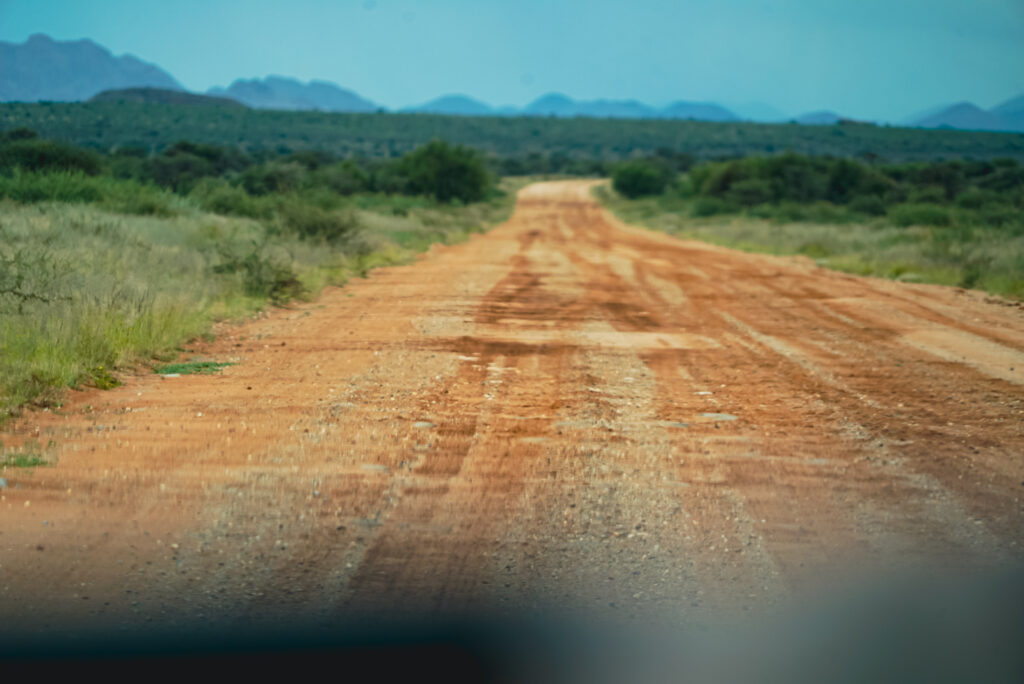
From Tokyo, I take the train into the mountains. The scenery slowly changes, buildings make way for forests, and the pace drops. Nagano feels calmer immediately.
Day 1 – Nagano City
I spend the day exploring Nagano itself, visiting the impressive Zenko-ji Temple and walking through the city. It’s a good place to slow down, eat well, and reset after Tokyo. Dinner is simple and local — soba or sushi — nothing flashy, just good food.
Day 2 – Car Rental & The Mountains
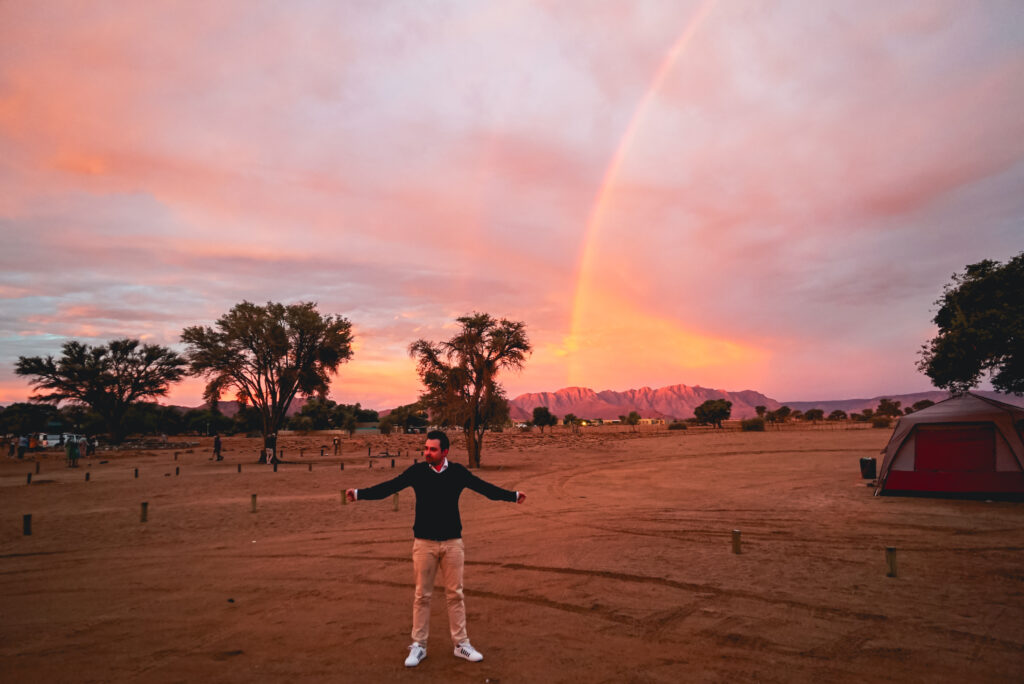
On the second day, I rent a car. This is one of the highlights of the entire trip. Driving through the mountains feels freeing, with endless views, small villages, and fresh air. I visit Jigokudani Monkey Park, where the famous snow monkeys live. Seeing them up close, especially in a natural setting, is unforgettable.

Kyoto – 2 Nights
After the mountains, I head back to the train and travel south to Kyoto. The transition from nature to history feels seamless.
Kyoto is all about tradition. Over two nights, I visit places like Fushimi Inari with its endless torii gates, stroll through bamboo forests in Arashiyama, and walk through old streets like Ninenzaka and Sannenzaka. In the evenings, I eat in traditional restaurants in the old districts, surrounded by wooden buildings and lantern light. Kyoto feels quiet, elegant, and deeply rooted in the past.
Hiroshima Peace Memorial Museum
The Hiroshima Peace Memorial Museum provides context and depth to everything you see outside. The museum is emotionally intense, but incredibly important. It focuses on the human impact of the bombing rather than military strategy.
Personal stories, objects, photographs, and explanations guide you through the events before, during, and after the bombing. It’s not easy, but it’s necessary. Visiting this museum gives meaning to the rest of your time in Hiroshima.
Osaka – 2 Nights
From Kyoto, it’s a short train ride to Osaka — and the vibe changes immediately.
Osaka is lively, loud, and food-obsessed. I explore Dotonbori with its neon signs, eat takoyaki where it was born, try kushikatsu in Shinsekai, and end one evening singing karaoke. Osaka feels social and welcoming, a city that doesn’t take itself too seriously and just wants you to enjoy life.
Hiroshima – 1 Night
This stop is short but impactful. I visit the Peace Memorial Park and the Atomic Bomb Dome. It’s quiet, emotional, and important. Hiroshima isn’t about entertainment — it’s about reflection. One night is enough to feel the weight of its history.
Fukuoka – 1 Night
Fukuoka feels relaxed and youthful. I walk through the city, eat Hakata-style ramen, and sit at a yatai food stall in the evening, eating and drinking alongside locals. It’s the perfect place to unwind after the emotional stop in Hiroshima.
Tokyo – 2 Final Nights
Returning to Tokyo feels different now. I know my way around, I move with confidence, and I enjoy the city more slowly. These last days are for shopping, cafés, and revisiting favourite spots — or discovering new ones without pressure.
Departure
At the end of the journey, I head to Narita Airport, flying back to Amsterdam. Japan leaves me with the feeling that I’ve seen many sides of the country — cities, mountains, history, food, and daily life — all connected smoothly by train.