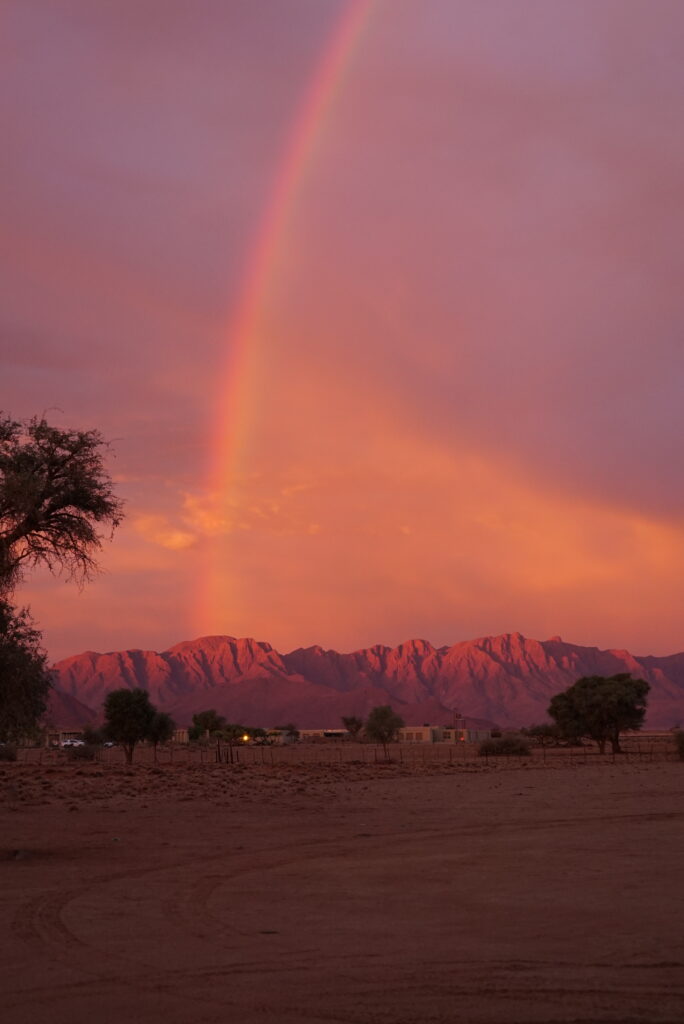




Santo Antão is often described as the most beautiful island of Cape Verde — and once you arrive, it’s easy to understand why. Rising straight from the ocean, Santo Antão is green, dramatic and full of contrasts. Deep valleys cut through towering mountains, small villages cling to steep slopes, and winding roads reveal one breathtaking view after another.
This is not an island of resorts or beaches, but of nature, hiking, and slow travel. Santo Antão rewards those who take their time.
Arrival by Ferry – A Journey in Itself
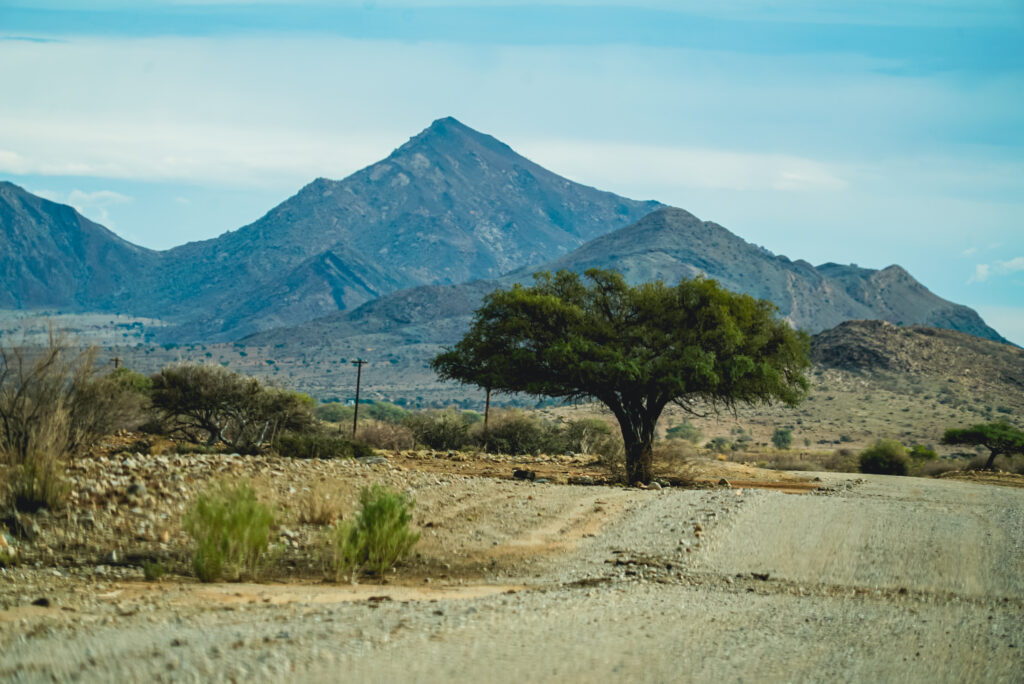
Most travelers reach Santo Antão by ferry from São Vicente, arriving in the harbor town of Porto Novo. The crossing already sets the tone: as the ferry approaches, the island rises dramatically from the sea, with sharp peaks and cliffs dominating the skyline.
From Porto Novo, the adventure truly begins — every road leads into the mountains.


The Mountain Roads – Views Around Every Corner
One of the most memorable experiences on Santo Antão is simply driving across the island. The old cobblestone road from Porto Novo into the interior climbs steeply into the mountains, offering panoramic views over valleys, clouds and ocean far below.
Whether you travel by car, taxi or shared transport, these roads are an attraction in themselves and show just how rugged and untouched the island still is.
Paul Valley – Hiking Routes, Villages & the Other Side
The Paul Valley is often seen as the green heart of Santo Antão — but there’s more to it than just one valley. In reality, Paul is a network of paths, villages and viewpoints, offering some of the best hiking routes in Cape Verde.
Classic Paul Valley Walks
Most travelers start in the lower part of the valley, where trails wind through banana plantations, sugarcane fields and small farming villages. These routes are relatively easy and perfect for slow walks, allowing you to observe daily life: farmers working the land, irrigation channels running beside the path, and children walking home from school.
Popular walks connect villages like Eito, Passagem and Manuel Lopes, with endless variations depending on how long you want to walk.
Crossing to the Other Side
What many visitors don’t realize is that Paul Valley also connects to higher mountain routes leading toward the Cova crater area and the more remote eastern side of the island. These hikes are more challenging but incredibly rewarding.
As you climb higher, the landscape changes dramatically — from lush green vegetation to open mountain views and cooler air. From certain points, you can look down into multiple valleys at once, offering a sense of scale that truly defines Santo Antão.
These routes are best done with a local guide or good preparation, but they reveal a quieter, less-visited side of the island.
Ribeira da Torre – Raw Nature and Waterfalls
Another impressive valley is Ribeira da Torre, known for its dramatic scenery and occasional waterfalls. This area feels more rugged and less cultivated, with sheer cliffs and deep gorges.
Hiking here offers a sense of scale and isolation, making it one of the best places to experience the wild side of Santo Antão.
Ponta do Sol – Coastal Trails and Colorful Houses
On the northern coast lies Ponta do Sol, a charming town with colorful houses and a relaxed atmosphere. From here, some of the island’s most famous coastal hiking trails begin.
Walking along the cliffs, with the ocean crashing below and villages tucked into the rock, is an unforgettable experience. These trails perfectly combine nature, culture and scenery.
Traditional Villages and Local Life
Santo Antão is dotted with small villages where life continues much as it has for generations. People farm the land, produce rum, and gather in the evenings to talk and share meals.
Stopping in these villages — even briefly — gives you a deeper understanding of the island. Hospitality here feels genuine and unforced, and visitors are often greeted with curiosity and warmth.
Grogu Distilleries – Taste of the Island
Sugarcane grows abundantly on Santo Antão, and it’s used to produce grogu, the island’s traditional rum. Small distilleries can be found across the valleys, especially in Paul.
Visiting one of these distilleries offers insight into local traditions and craftsmanship — and usually ends with a small tasting.
Why Santo Antão Feels So Special
What makes Santo Antão truly stand out is its atmosphere. The island feels quiet, powerful and deeply connected to nature. There’s no rush here — days are shaped by daylight, weather and the rhythm of walking.
For hikers, photographers and travelers seeking authenticity, Santo Antão feels like a place that stays with you long after you leave.
Where to Eat on Santo Antão
Food on Santo Antão is simple, local and deeply connected to the land. Expect fresh ingredients, slow-cooked dishes and generous portions.
• Cantinho de Amizade
A well-known spot in Paul Valley serving traditional Cape Verdean dishes in a relaxed, rural setting.
• Chez Zoe
Small, personal and welcoming — often praised for home-style cooking and warm hospitality.
• Esplanada Grill
Great for fresh fish and ocean views after a long hike.
Meals here are unhurried — eating is part of the rhythm of the island.
Where to Eat on Santo Antão
Accommodation on Santo Antão focuses on guesthouses, small hotels and eco-lodges rather than large resorts. Staying close to hiking routes makes a big difference.
Paul Valley
• Aldeia Manga
Eco-lodge surrounded by greenery, ideal for hikers and nature lovers.
• Casa Cavoquinho
Comfortable guesthouse with great valley views and direct access to trails.
Ponta do Sol
• Tiduca Hotel
Central location and perfect base for coastal hikes.
• Casa Celeste
Small and personal guesthouse with a relaxed atmosphere.