


Why Renting a Car Is Essential for a Self-Drive Adventure in Namibia
Namibia is one of Africa’s ultimate road-trip destinations. Vast deserts, endless gravel roads, wildlife roaming freely, and remote campsites make this country perfect for independent travelers. For your English travel blog, here’s a structured and inspiring article explaining why you need to rent a car in Namibia and what to consider when driving yourself.

Exploring Namibia by Car: Freedom at Its Best
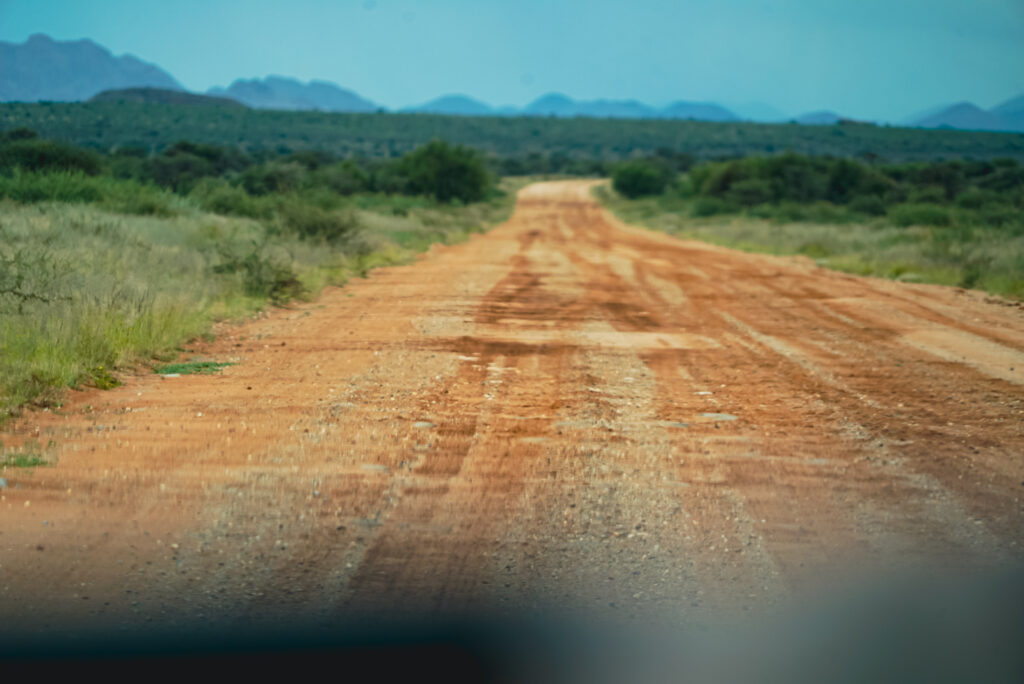
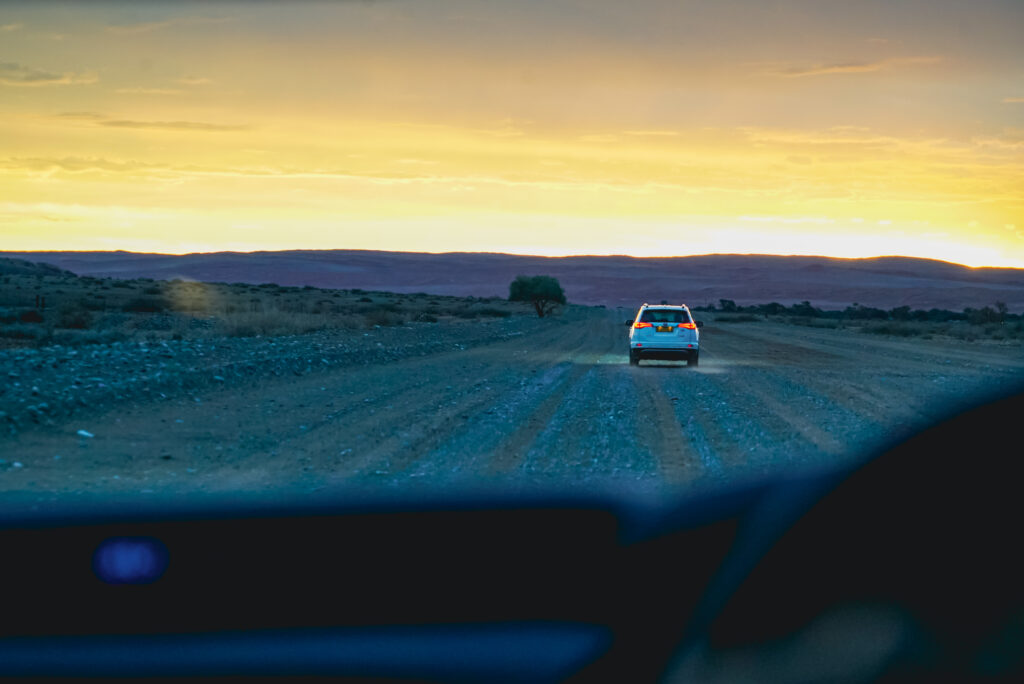
Public transport in Namibia is extremely limited, especially outside major towns. If you want to explore iconic places like Etosha National Park, Sossusvlei, or the Skeleton Coast, renting a car is not optional – it’s essential. A self-drive gives you total freedom to stop when you want, camp under the stars, and experience Namibia at your own pace.
Renting a Car in Namibia
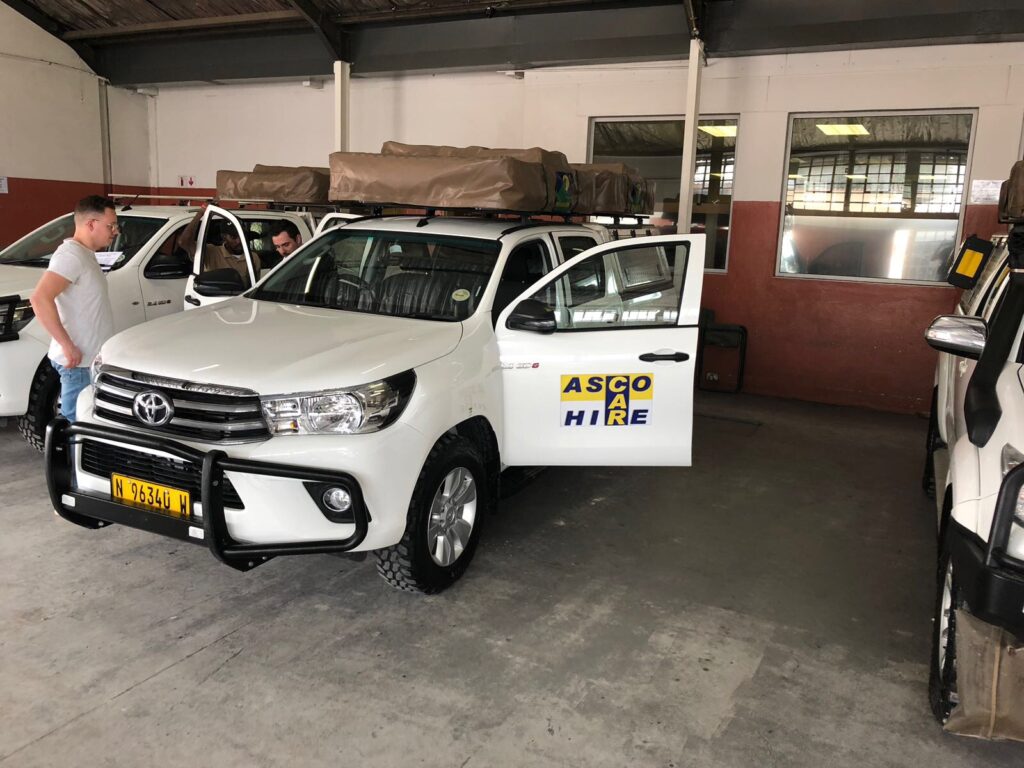
There are many car rental companies operating in Namibia, especially in Windhoek and at the international airport. Most travelers choose a 4×4 vehicle, often fully equipped with camping gear, as many roads are unpaved and destinations are remote.
To give you flexibility for your own comparison or Top 5 list, here is one example of a reliable local provider:
• Asco Hire – A well-known Namibian car rental company offering 4×4 vehicles, camper setups, and airport pick-up. Popular among self-drive travelers looking for solid vehicles and local expertise.
Self-Driving in Namibia: What to Look Out For
Driving in Namibia is an incredible experience, but it does require preparation. Below are the most important tips, divided into clear sections for your readers.
⸻
Safety First on Namibian Roads
Namibia’s roads are generally quiet, but safety is crucial:
• Most roads are gravel roads, which can be slippery.
• Drive slower than you think is necessary.
• Avoid driving after sunset – wildlife often crosses the road.
• Always carry enough water, fuel, and a spare tire (or two).
• Inform someone of your route when traveling to remote areas.

Plan Your Route Carefully
Distances in Namibia are deceiving – everything looks close on the map, but driving times are long.
• Plan realistic daily distances.
• Factor in road conditions, not just kilometers.
• Download offline maps and GPS routes.
• Know where fuel stations are located – they can be hundreds of kilometers apart.
A well-planned route will make your trip far more relaxed and safe.

Book Campsites and Lodges in Advance
Wild camping is not allowed everywhere in Namibia, so planning ahead is essential.
• Research campsites and lodges before you go.
• Many campsites are located inside national parks or on private land.
• Reservations are often required, especially in high season.
• Some campsites are very remote – know exactly how to get there.
This planning goes hand in hand with your route and daily driving distances.
Choose the Right Vehicle
Not every car is suitable for Namibia:
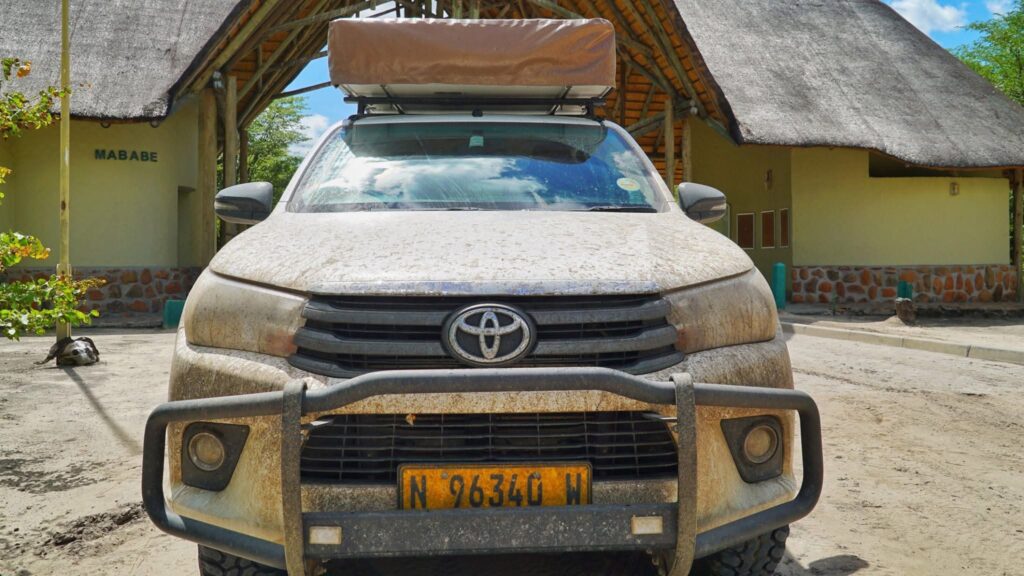
• A 4×4 vehicle is highly recommended.
• Check if your car includes recovery gear, a compressor, and extra fuel tanks.
• Inspect the vehicle thoroughly before departure.
• Make sure you understand how to use the spare tire and camping equipment.
Respect Nature and Wildlife
Namibia’s landscapes are wild and untouched – help keep them that way:
• Never leave marked roads in national parks.
• Do not approach or feed wildlife.
• Leave no trash behind at campsites.
• Respect local communities and private land.