

Driving in Botswana is, in general, surprisingly straightforward, especially considering how remote parts of the country can be. The roads between towns are mostly in good condition, traffic is light, and signage is clear. However, self-driving in Botswana does require some awareness and preparation.
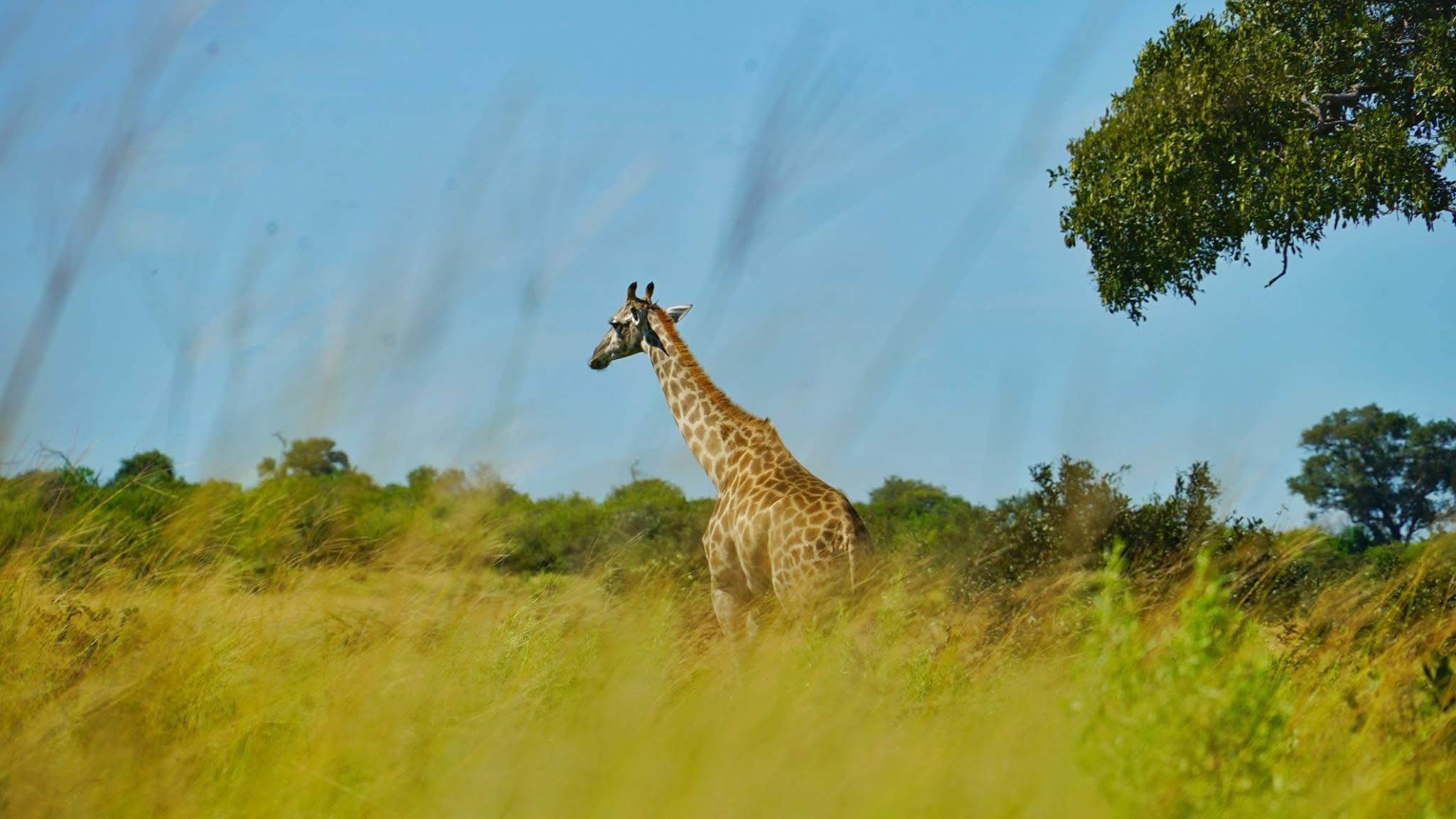
While driving through national parks, you’re constantly treated to breathtaking views, open landscapes, and wildlife right next to the road. In contrast, driving in towns like Maun or Kasane can feel busier and a bit more chaotic, with more traffic, pedestrians, and animals sharing the road. Overall, driving in Botswana is very doable — as long as you know what to watch out for.

Crossing the Border from Botswana to Namibia
We crossed the border from Botswana into Namibia via the Caprivi Strip, heading toward Windhoek, and both crossings were relatively easy and stress-free. Traffic was minimal, and the officials on both sides were friendly and helpful.
At the border, the process was straightforward: passport checks, a stamp, and some basic vehicle paperwork. One important thing to keep in mind is food regulations. Certain groceries bought in Botswana are not allowed to be taken into Namibia, especially fresh produce and meat. Make sure to ask or double-check before crossing to avoid having items confiscated.
Overall, the border crossing into Namibia was smooth and well-organized, making it an easy transition between the two countries.

Crossing the Border from Botswana to Zimbabwe
Crossing from Botswana into Zimbabwe is a slightly different experience. Leaving Botswana is quick and efficient, with minimal waiting time at customs. However, entering Zimbabwe by car takes longer and requires more steps.
Once on the Zimbabwean side, you’ll be directed to a small building that can get quite crowded. Here, you need to pay for your visa, depending on your nationality. After that, you must arrange additional vehicle insurance, which is mandatory and something you should not skip. Officials will check this carefully.
The process can feel slow and busy, but it’s manageable if you’re patient and prepared. Just make sure you have enough cash and all required documents ready.

Driving in the Okavango Delta
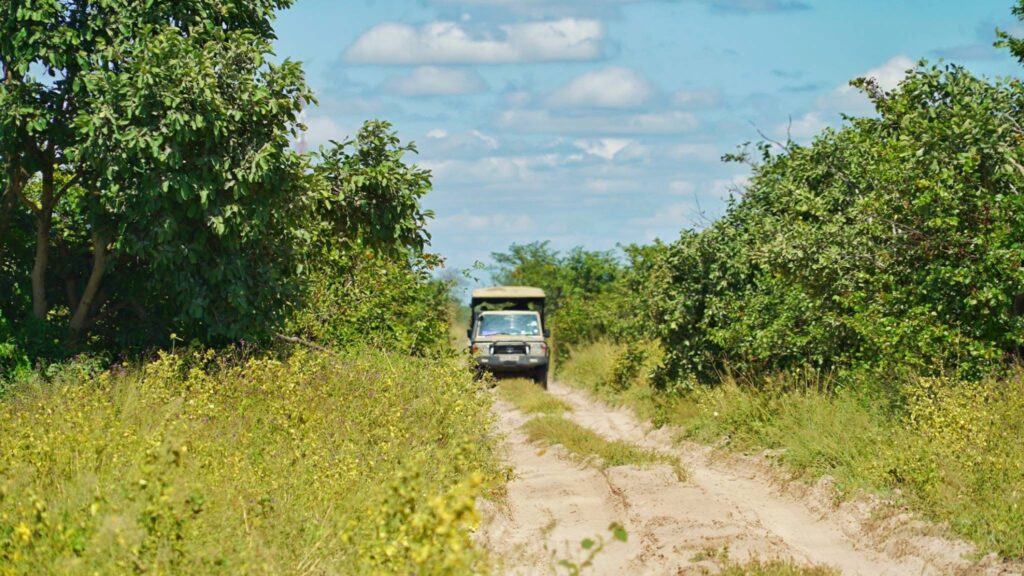
Driving in and around the Okavango Delta is an unforgettable experience, but it does require extra caution. The roads are mostly sandy tracks, and wildlife can appear at any moment. Animals such as zebras, wildebeest, and antelope frequently cross the road without warning, so driving slowly is essential.
We saw several broken-down vehicles along the way, some of them damaged after hitting animals. This is a strong reminder that speed should always be kept low, especially inside wildlife areas.
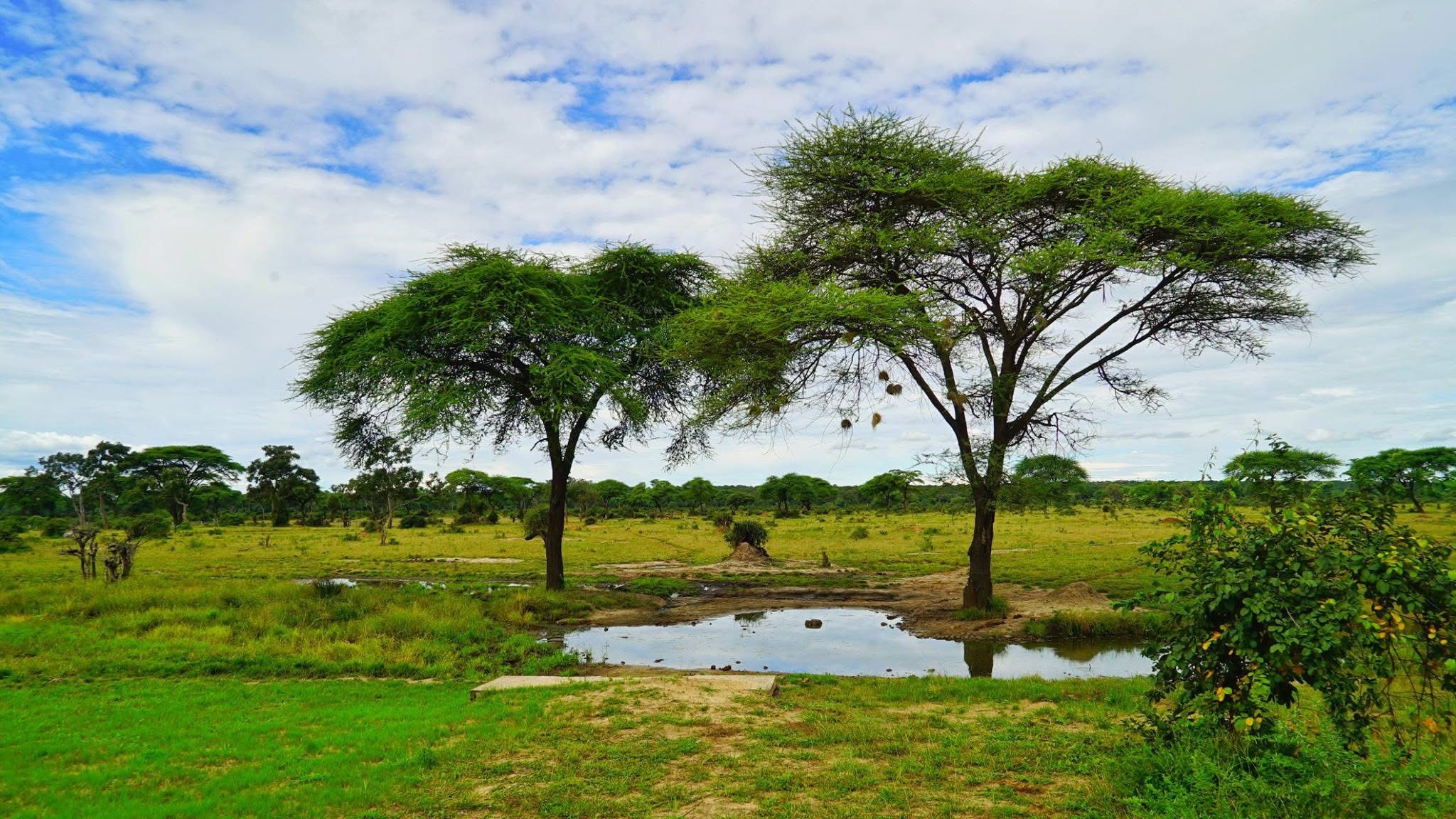
During the rainy season, conditions become more challenging. Heavy rainfall can create deep water-filled holes and flooded tracks that are difficult to judge. In these conditions, a 4×4 vehicle with a snorkel is highly recommended. We didn’t have a snorkel ourselves, and in deeper sections, that definitely increased the risk.
A useful tip: when approaching large puddles or flooded tracks, always look for tire tracks from previous vehicles. They often indicate the safest and shallowest route through the water.

Final Thoughts on Driving in Botswana
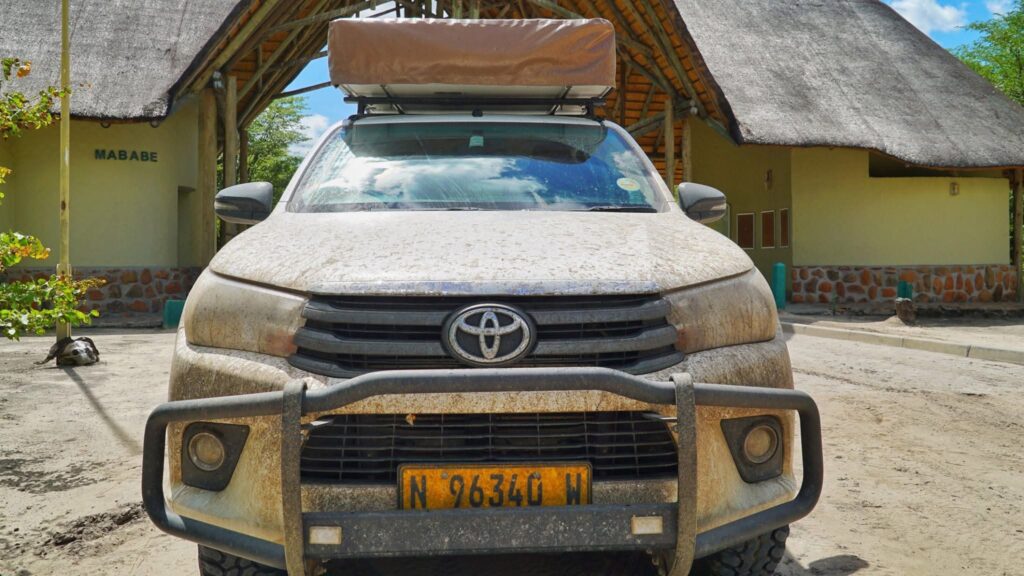
Overall, driving in Botswana is very manageable and incredibly rewarding. The combination of good roads, low traffic, and stunning scenery makes it an excellent destination for self-drive travelers. As long as you stay alert, respect wildlife, and choose the right vehicle for the conditions, driving in Botswana can be one of the highlights of your trip.