



Petra is one of those places that instantly lives up to its reputation. No photo, no documentary, no Instagram post prepares you for the real experience. The moment you enter Petra, everything slows down. The colours of the rock, the scale of the cliffs, and the quiet echo of footsteps make you feel small in the best possible way.
Petra is not just a single monument. It’s an entire ancient city carved into stone, hidden for centuries and revealed slowly as you walk deeper inside. Visiting Petra feels like uncovering history layer by layer. You don’t arrive at Petra — you enter it.
History of Petra
Petra was built more than 2,000 years ago by the Nabataeans, an ancient Arab civilization that mastered water management and trade routes. Thanks to its strategic location, Petra became a wealthy trading hub connecting Arabia, Egypt, and the Mediterranean. Spices, incense, silk, and goods passed through this desert city.
What makes Petra extraordinary is how it was built. Instead of constructing buildings, the Nabataeans carved them directly into rose-coloured sandstone cliffs. Advanced engineering allowed them to collect rainwater, protect the city from floods, and survive in a harsh desert environment.
Over time, trade routes shifted, earthquakes damaged the city, and Petra slowly disappeared from the world’s memory. For centuries, it remained hidden until it was “rediscovered” by Western explorers in the 19th century. Today, Petra stands as a reminder of human ingenuity, patience, and ambition.
How to Get to Petra
Petra is located near Wadi Musa, in southern Jordan.
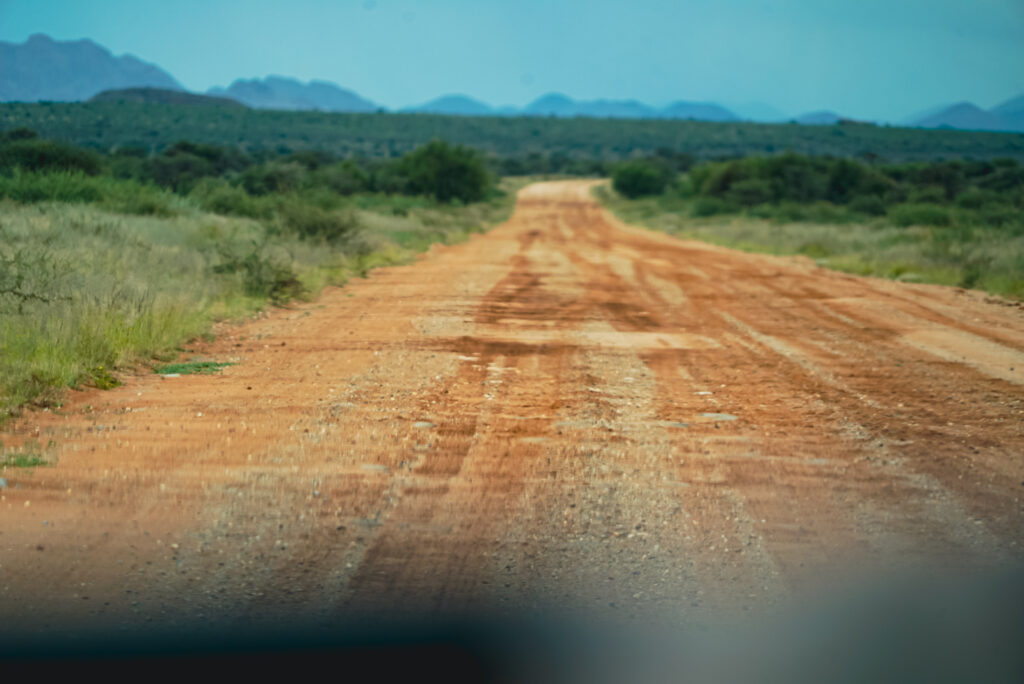
The easiest way to reach Petra is by rental car, especially if you’re traveling through Jordan independently. Roads are good, signage is clear, and driving gives you flexibility. Many travelers come from Amman or Aqaba.
You can also reach Petra by bus or with organised tours, but those are less flexible and often rushed. Staying overnight in Wadi Musa is highly recommended so you can enter Petra early in the morning.
Entrance Fees & Practical Info
Petra entrance tickets are purchased at the main gate.
🎟️ One-day pass approximately 50 JOD
🎟️ Two-day pass approximately 55 JOD
🎟️ Three-day pass approximately 60 JOD
Prices may change, but Petra is absolutely worth multiple days. The site is massive, and one day only scratches the surface.
Start early. Petra gets busy later in the morning, and the heat can be intense.
Dont forget your Passport
One important thing to remember before visiting Petra: don’t forget your passport. You may be asked to show it when buying your entrance ticket, especially if you’re using multi-day passes or special travel arrangements. It’s best to keep it safely with you, not back at the hotel.
Early in the morning
Another strong tip is to go early in the morning. Arriving right when Petra opens means cooler temperatures, softer light on the rock formations, and far fewer people around. The Siq feels more peaceful, and seeing the Treasury for the first time without crowds is absolutely worth the early alarm.
Hiroshima Castle
Hiroshima Castle offers a look at the city before 1945. Originally built in the 16th century, the castle was destroyed in the bombing and later reconstructed. Today, it stands as a reminder of Hiroshima’s longer history.
The grounds are peaceful, and the views from the top give you a sense of how the city has grown around it. It’s a calm contrast to the more emotional sites nearby.
The Siq – The Grand Entrance
The Siq is the dramatic natural corridor that leads into Petra. This narrow canyon stretches for over a kilometer, with towering rock walls closing in on both sides. Walking through the Siq is an experience on its own.
As you move forward, the light shifts constantly. The colours change from soft pinks to deep reds and golds. Carved water channels and ancient markings appear along the walls. There’s a growing sense of anticipation — you know something is coming, but you don’t see it yet.
Al-Khazneh – The Treasury
Then suddenly, the canyon opens, and you see Al-Khazneh.
This moment is unforgettable. The Treasury stands tall, perfectly carved, glowing softly in the light. It feels unreal, like a movie set — except it’s real, and it’s ancient. Standing in front of it, you realize how advanced the Nabataeans were.
Many visitors stop here, but Petra goes far beyond this iconic façade.
The Street of Facades & Royal Tombs
Beyond the Treasury lies the Street of Facades, lined with tombs carved into the cliffs. These structures show how vast Petra once was. Walking here feels like moving through an open-air museum with no walls.
Nearby, the Royal Tombs rise high above the valley. Each tomb has a unique design and colour, shaped by centuries of wind and sun. Climbing up to them rewards you with panoramic views over Petra’s valley.
The Monastery – Ad Deir
Ad Deir is one of Petra’s most impressive sights — and one of the most physically demanding to reach. The climb involves hundreds of steps, but the reward is immense.
The Monastery is even larger than the Treasury, standing alone in a vast, open space. It feels quieter, more powerful, and more remote. Sitting here, catching your breath, you understand how sacred this place once was.
High Place of Sacrifice & Hidden Trails
For those who want to go deeper, Petra offers hiking trails that lead to viewpoints and lesser-known areas. The High Place of Sacrifice provides incredible views over the city and shows Petra from a completely different angle.
These paths reveal just how large Petra truly is — and how much remains unexplored.