



Chobe National Park
Chobe National Park is one of Botswana’s most famous wildlife destinations, covering an impressive area of approximately 11,700 square kilometers. It’s located in the northern part of the country, bordering Namibia, Zambia, and Zimbabwe. The park is renowned for its large elephant population, which is one of the densest in Africa. You can also expect to find a variety of other animals, from lions and leopards to hippos and crocodiles. The park is divided into different ecosystems, including dense forests, savannah plains, and the beautiful Chobe Riverfront. Visitors can enjoy game drives, boat safaris, and birdwatching. Chobe is perfect for both seasoned safari-goers and first-time wildlife enthusiasts. The diversity of landscapes and animals makes every visit unique. Whether you’re seeking adventure or tranquility, Chobe has something for everyone.
Why You Should Visit Chobe National Park?
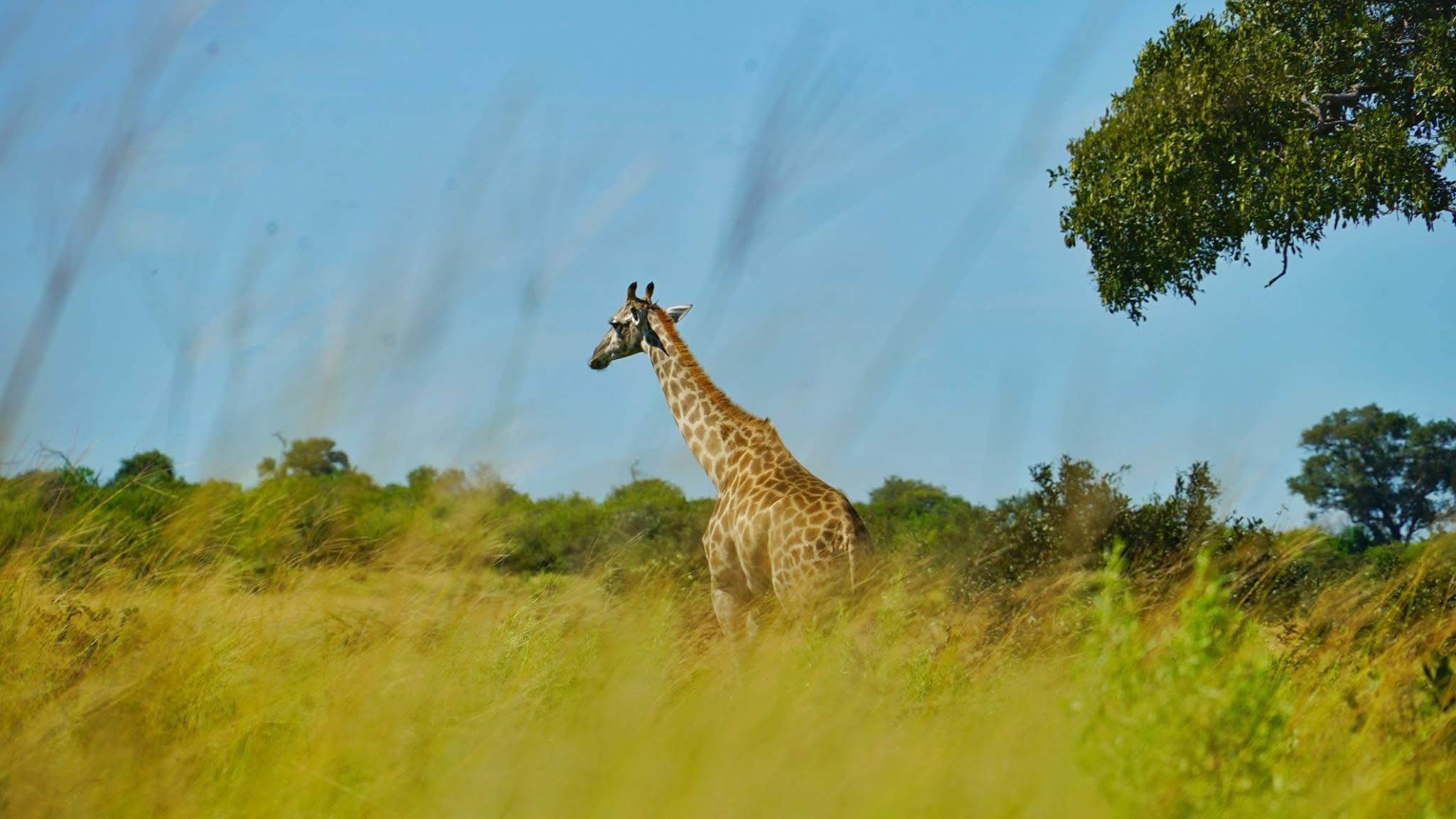
Chobe National Park is truly a wildlife lover’s paradise. The park offers the chance to see massive herds of elephants up close, especially along the Chobe River. You can also witness a wide variety of animals in their natural habitats, from giraffes grazing on the plains to lions hunting in the early morning. Birdwatchers will also be delighted, with over 450 species of birds recorded in the park. The scenery is breathtaking, with sunsets over the river providing perfect photo opportunities. The park is easily accessible from nearby towns like Kasane, making it convenient for travelers. Guided tours provide insider knowledge about the best spots to see wildlife. Unique experiences like boat safaris allow visitors to see animals from a completely different perspective. Night drives give a glimpse into the park’s nocturnal wildlife. Overall, Chobe offers unforgettable safari experiences that make it one of Africa’s must-visit national parks.
Which Animals Can You Spot in Chobe National Park?
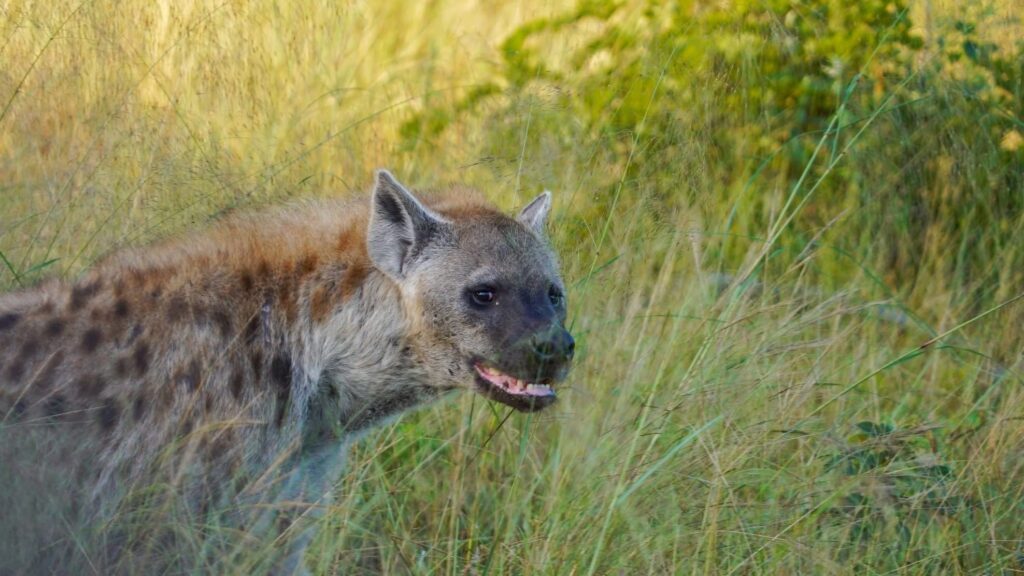
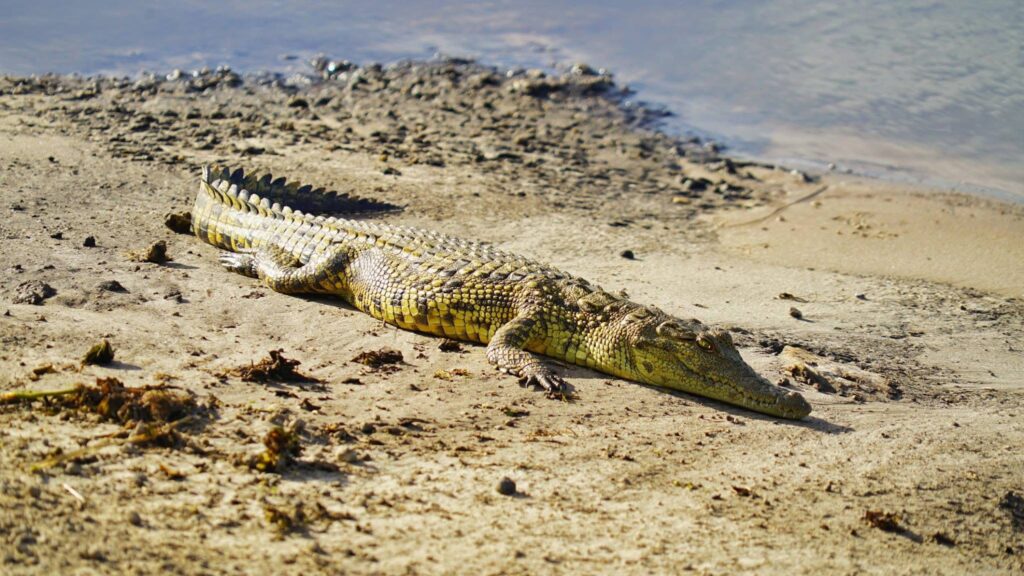
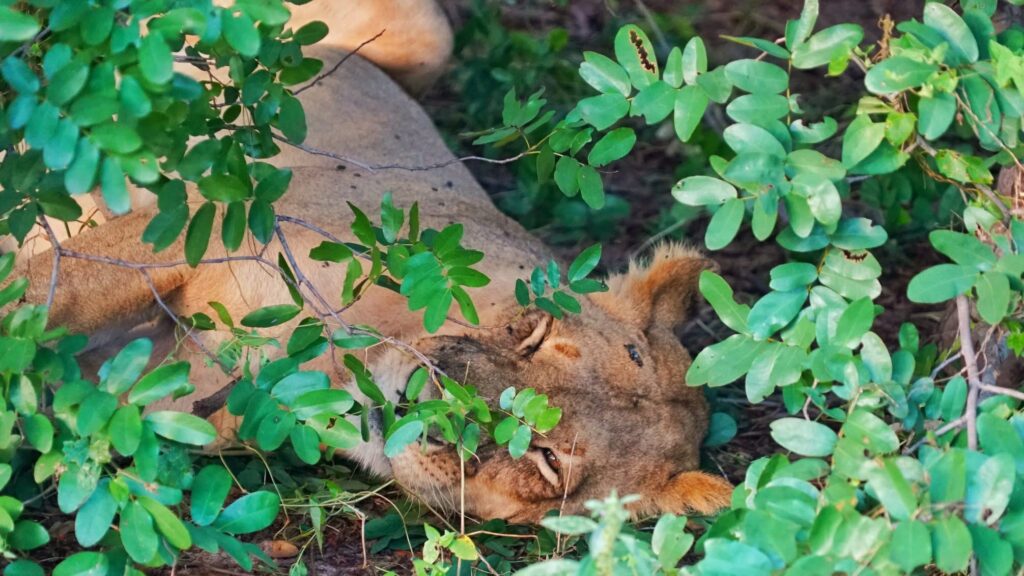
Chobe National Park is home to an incredible diversity of wildlife. You can encounter more than 100 mammal species, including elephants, lions, leopards, buffalo, and hippos. The park also hosts over 450 bird species, from kingfishers to African fish eagles. Reptiles like crocodiles and monitor lizards are common along the riverbanks. Some of the most iconic animals you’ll likely see include:
• African elephants
• Lions and leopards
• Hippos and crocodiles
• Buffalo and antelope species
Whether you’re on a morning game drive or a sunset boat safari, there’s always a chance to spot these incredible creatures.

Where to Stay in Chobe National Park
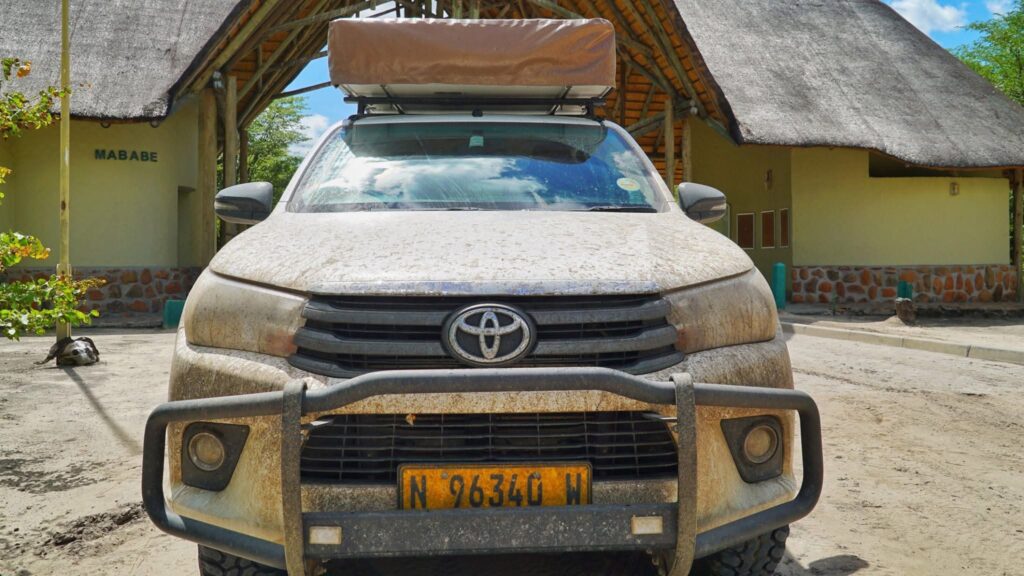
Overnight options in Chobe are varied, catering to different preferences and budgets. You can choose between campsites, lodges, and luxury safari experiences. For those traveling by 4×4, camping inside the park is an adventurous and immersive option. Lodges offer more comfort and often include guided game drives as part of the package. Some lodges are located along the Chobe Riverfront, providing spectacular views and easy access to boat safaris. Staying inside the park allows you to maximize your wildlife spotting opportunities.
How to Explore Chobe National Park
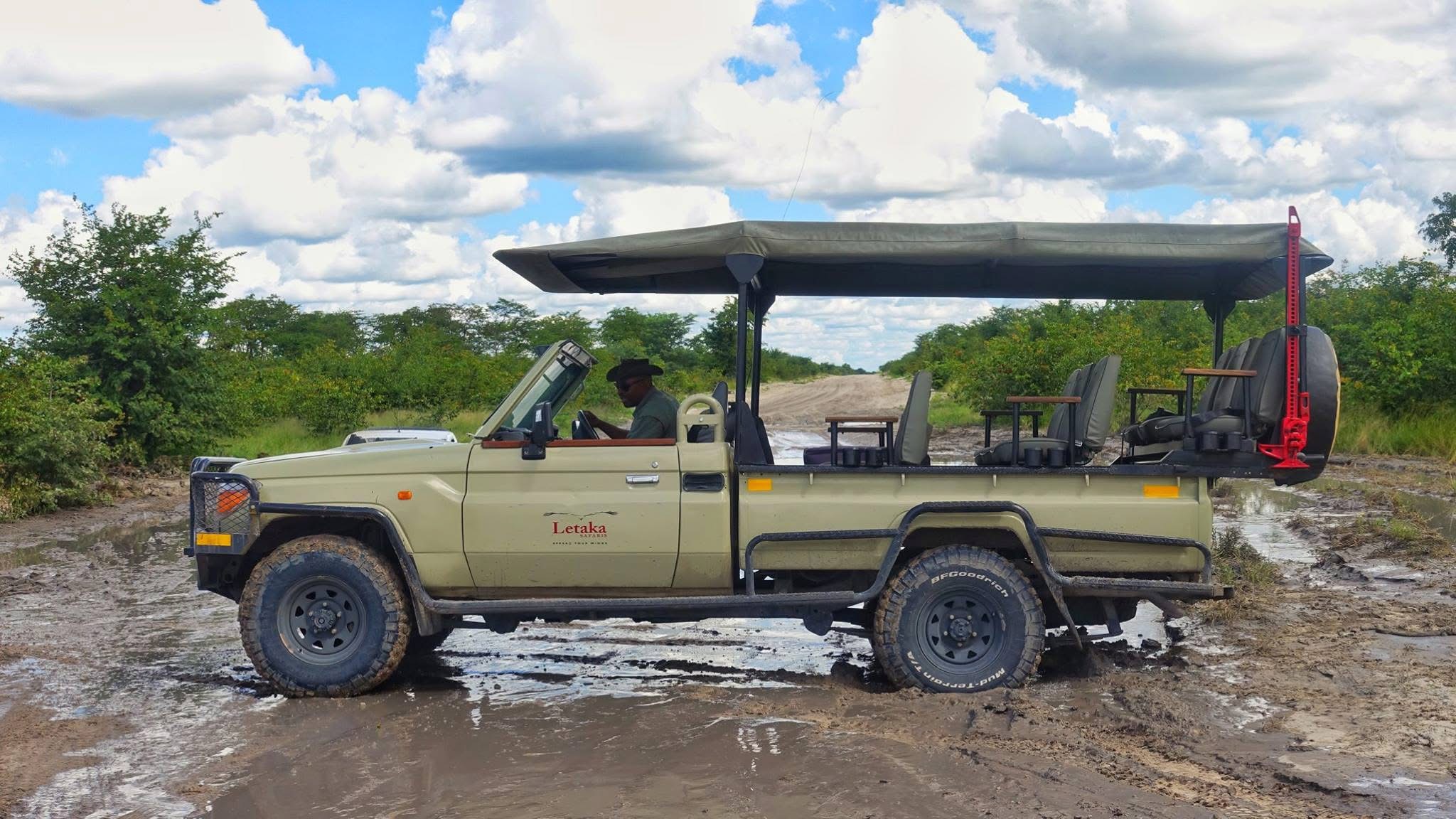
The best way to explore Chobe is through guided game drives rather than self-driving. We found that hiring a local guide from our campsite made our experience much richer. The guide knew exactly where to find the animals and shared valuable insights about their behavior. A full-day guided tour is ideal, starting early in the morning to catch the animals at their most active. Morning and late afternoon are generally the best times for wildlife spotting. This approach ensures you see more animals and enjoy the park safely.
Best Time to Visit Chobe National Park
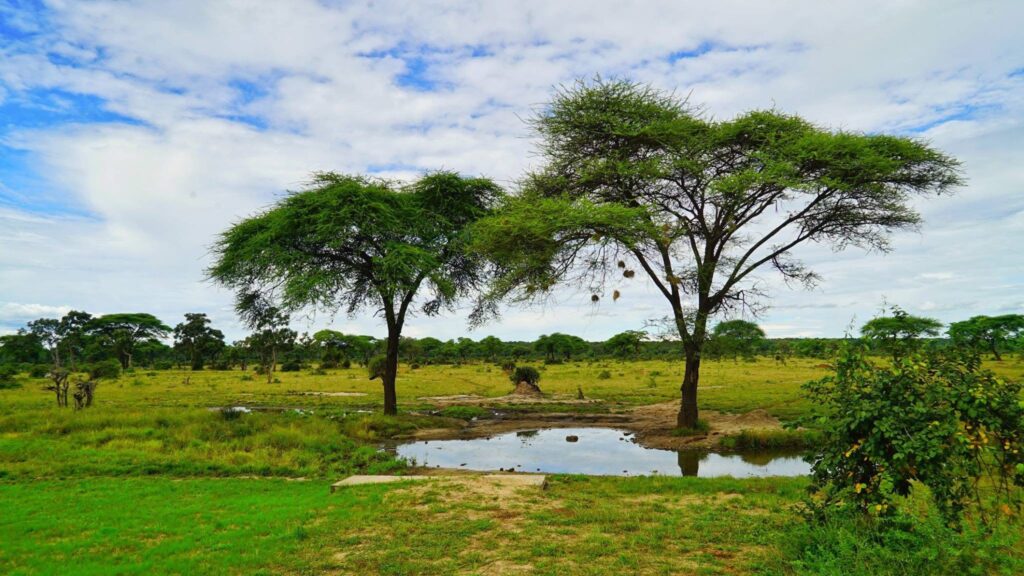
The dry season, from May to October, is the best time to visit Chobe. During this period, animals gather near water sources, making them easier to spot. Temperatures are cooler, and the landscape is less dense, which improves visibility. The wet season, from November to April, brings lush greenery and newborn animals, but wildlife is more dispersed and harder to see.

Entrance – Chobe National Park
Park entry fees (2025, per person per day):
🌍 International visitor: approx. €18 per person per day
(BWP 270 / ~USD 20)🇿🇦 SADC resident: approx. €14 per person per day
(BWP 205 / ~USD 15)🇧🇼 Botswana citizen: approx. €2 per person per day
(BWP 30)Children under ~8 years: usually free
Vehicle fees (self-drive):
Small car (foreign registered): approx. €8 per day
(BWP 115)4×4 or larger vehicles may cost more
💡 Tip: These entrance fees are paid at the park gates and are often included if you book through a safari operator or tour package.
How Many Days Should You Spend in Chobe National Park?
We spent two nights in Chobe, which is sufficient to explore the park and enjoy multiple game drives. Two full days allow for morning and afternoon safaris, as well as a relaxing boat trip on the Chobe River. This schedule ensures you experience the best of the park without feeling rushed.Perón, are buried here.

Tips for Spotting Wildlife in Chobe
Standard Gate Opening Hours
April 1 – September 30
• Park open from 06:00 to 18:30 (local time)
October 1 – March 31
• Park open from 05:30 to 19:00 (local time)
➡️ These times apply to most park gates and are linked to sunrise and sunset. Access outside these hours is not allowed without a special permit.
🚗 Extra Info
• There are multiple gates (e.g., Sedudu Gate near Kasane, Ngoma Gate, Savuti Gate, etc.).
• Residents using the park as a transit route may have different rules or late access with special permission, but normally gates close before midnight.
1. Morning and Evening Drives
The best times to spot animals are early in the morning and late in the afternoon. During these cooler hours, wildlife is more active—predators hunt, elephants move along the river, and antelope graze in the open. Starting your drive at sunrise can reward you with sightings of animals waking up, while evening drives often show animals gathering at waterholes to drink before nightfall.
2. Waterholes are Key
3. Bring Binoculars or a Telephoto Lens
Many animals can be far away, and close encounters aren’t always guaranteed. Binoculars help you spot birds in the trees or distant predators on the plains, while a telephoto lens allows you to photograph wildlife safely without disturbing them. This is especially useful for shy or camouflaged species like leopards or birds hidden in dense vegetation.
4. Check Side Roads
Don’t just stick to the main tracks; wildlife often wanders off the beaten path. Small side tracks or hidden clearings can reveal animals that most visitors miss. A guide usually knows the hidden spots, but even when self-driving, exploring side roads patiently can lead to unexpected encounters.
5. Turn Off Your Engine and Stay Quiet
When you spot an animal, switch off the vehicle if possible and remain silent. The noise of a running engine can scare wildlife away, while stillness allows you to observe natural behaviors like feeding, grooming, or hunting. Sometimes animals will even approach closer if they feel safe.
6. Be Patient and Observant
Wildlife viewing is about patience. Animals can be still or hidden for long periods, but keeping a keen eye on your surroundings pays off. Look for movement in the grass, shadows under trees, or birds flying overhead—they can all lead you to hidden wildlife. Enjoy the slow pace, and you’ll be rewarded with unforgettable encounters.
7. Consider the Heat
During midday, many animals rest in the shade or under trees to avoid the heat. This is a good time to relax at your lodge or do a river safari, but if you do go out, focus on shaded areas and waterholes. Understanding animal behavior in relation to temperature can help you plan your day and maximize sightings.
Water sources are hotspots for wildlife, especially during the dry season. Visiting a waterhole increases your chances of seeing a variety of animals all in one place. Hippos, elephants, buffalo, and antelope frequently gather here, and predators often lurk nearby. Evening is particularly good because many animals come to drink under the soft glow of the sunset.
• Bring Binocular
Typical costs for safari activities in/from Chobe
📍 Day trips & game drives
Game drive (3–4 hours): approx. €45 – €75 per person
Chobe River boat cruise: approx. €37 – €65 per person
(Usually includes park fees and often drinks/snacks, depending on the operator.)
👉 These are typical day-trip prices when booking from Kasane or via a local tour operator.