
What Is the Caprivi Strip?
Tucked away in the far northeast of Namibia, the Caprivi Strip is unlike anywhere else in the country. Long, narrow, and stretching eastward between Angola, Zambia, and Botswana, this lush region feels worlds apart from Namibia’s famous deserts.
Historically, the Caprivi Strip was shaped by colonial ambitions. Germany annexed the land in the late 19th century to gain access to the Zambezi River, hoping it would become a trade route into Central Africa. While the river never fulfilled that promise, the region itself became something far more special: a green corridor of rivers, floodplains, wildlife, and traditional cultures.
Today, the Caprivi Strip — officially known as the Zambezi Region — is a paradise for travelers seeking water, wildlife, and a slower, more authentic rhythm of life.
Driving Through the Caprivi Strip: One Long Road, Endless Views
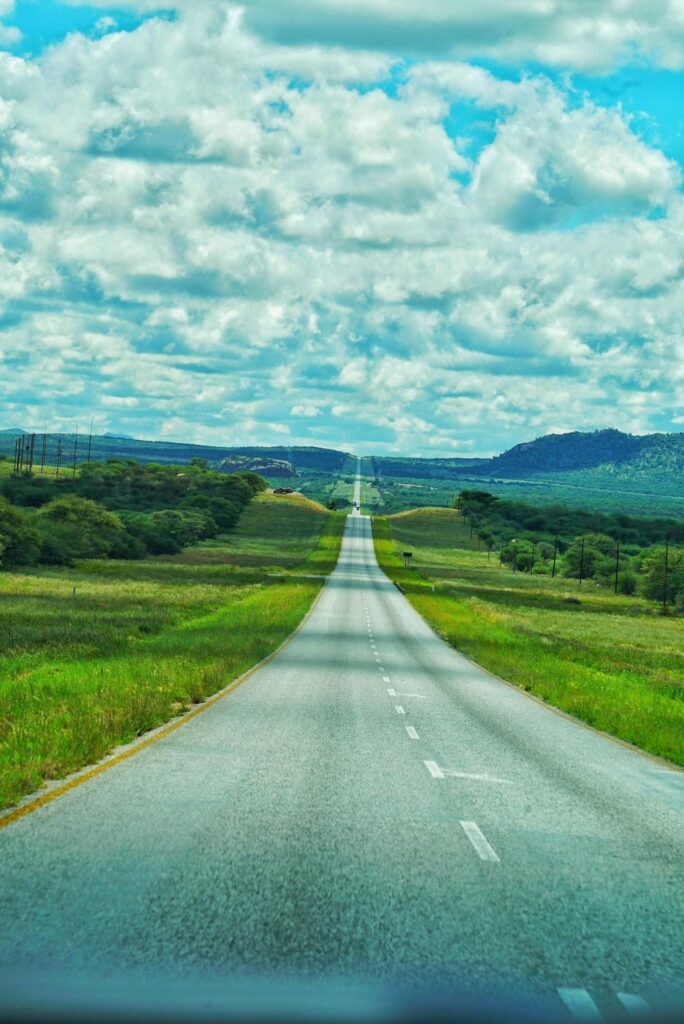
Driving through the Caprivi Strip is deceptively simple. There is essentially one main road, a straight line that carries you all the way to the edge of Botswana. But while the road may be straightforward, the experience is anything but boring.
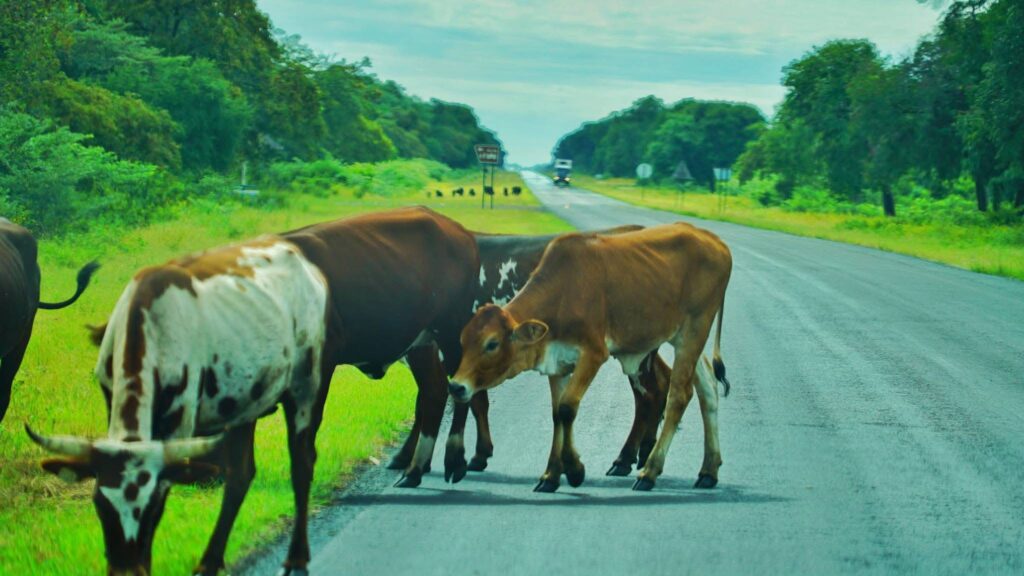
Long stretches of open road are framed by tall grass, palms, and rivers glistening in the distance. Cattle wander casually across the tarmac, children wave from the roadside, and every now and then you catch a glimpse of waterbirds lifting off from the floodplains.
There is a calm, almost meditative quality to driving here. The vast distances invite reflection, and the ever-changing scenery reminds you that this is Namibia’s most fertile and life-filled region.
Visiting Traditional Villages and Local Communities
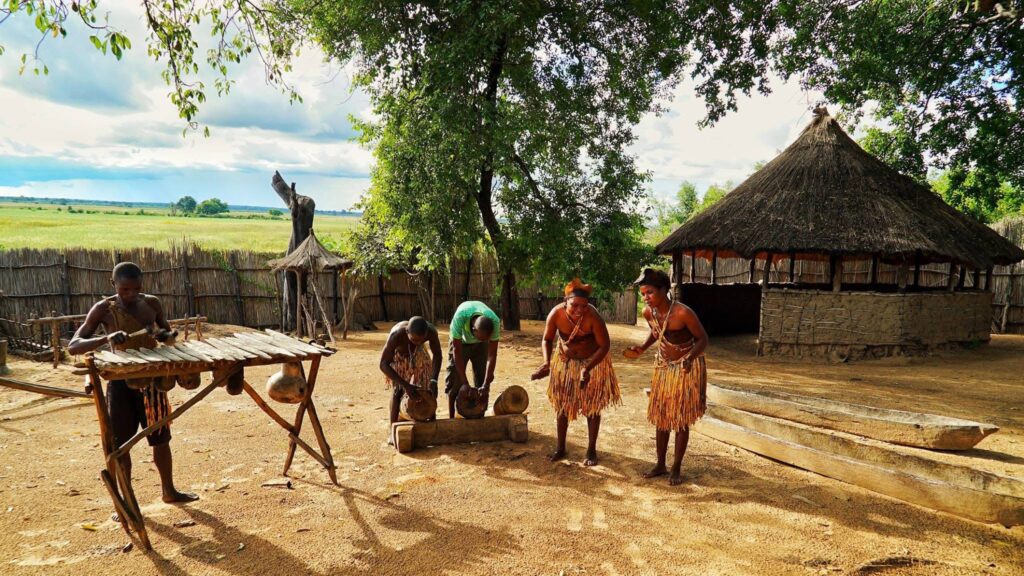
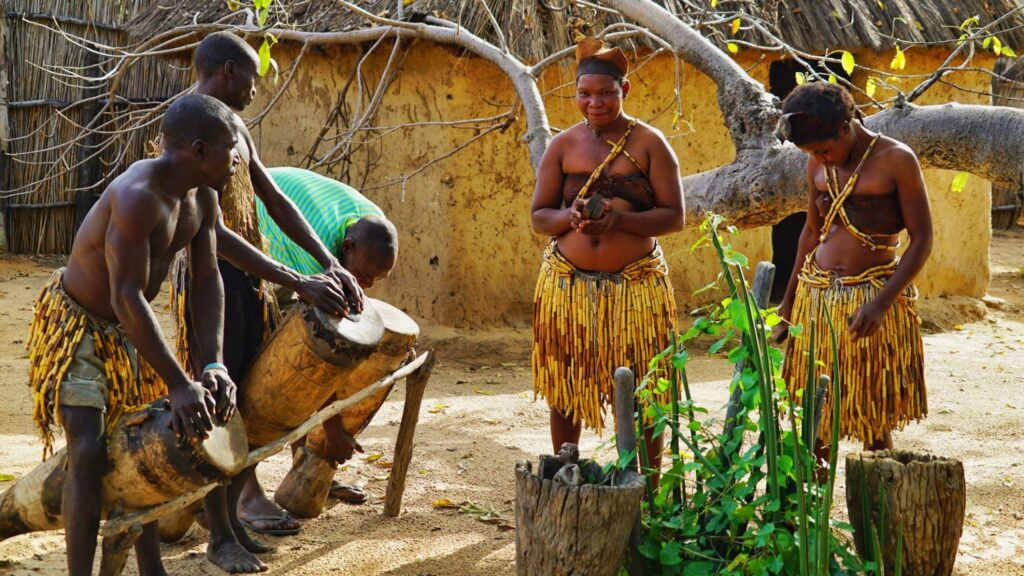
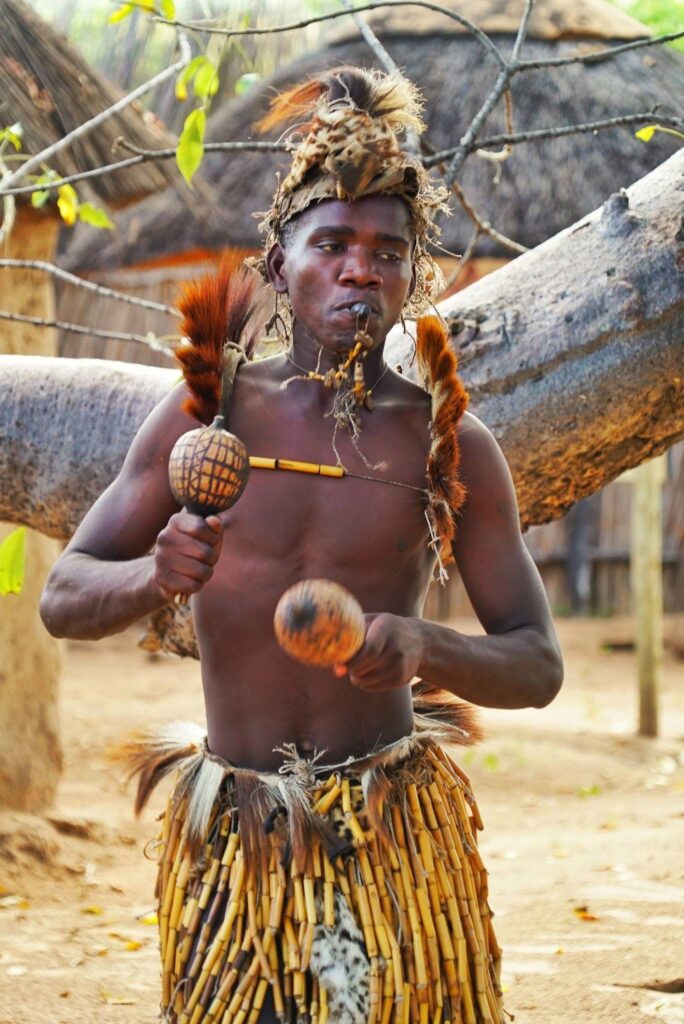
One of the most meaningful experiences in the Caprivi Strip is visiting its small villages and traditional communities. Along the road, you’ll pass settlements where daily life unfolds much as it has for generations.
The Caprivi is home to several ethnic groups, including the Mafwe, Subia, and Yeyi people. Many villages welcome respectful visitors who are curious to learn about local customs, traditional fishing techniques, basket weaving, and village life along the rivers.
These encounters offer a deeper understanding of the region — not as a destination, but as a living landscape shaped by water, culture, and resilience.
Staying at the Border: Gondwana Lodge on the Water
At the very end of the Caprivi Strip, close to the border with Botswana, lies a beautiful Gondwana Lodge — the perfect place to pause after days of driving.
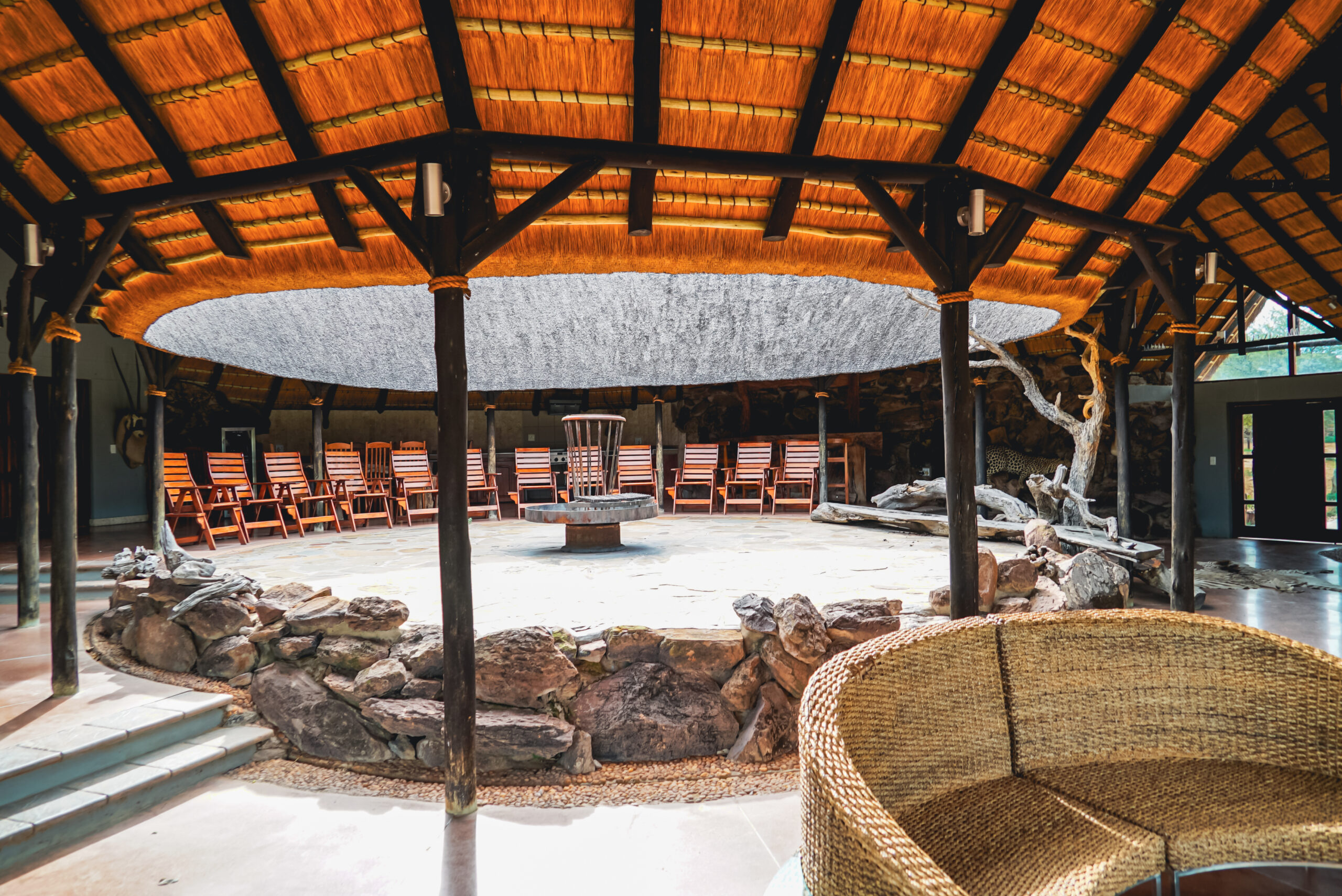
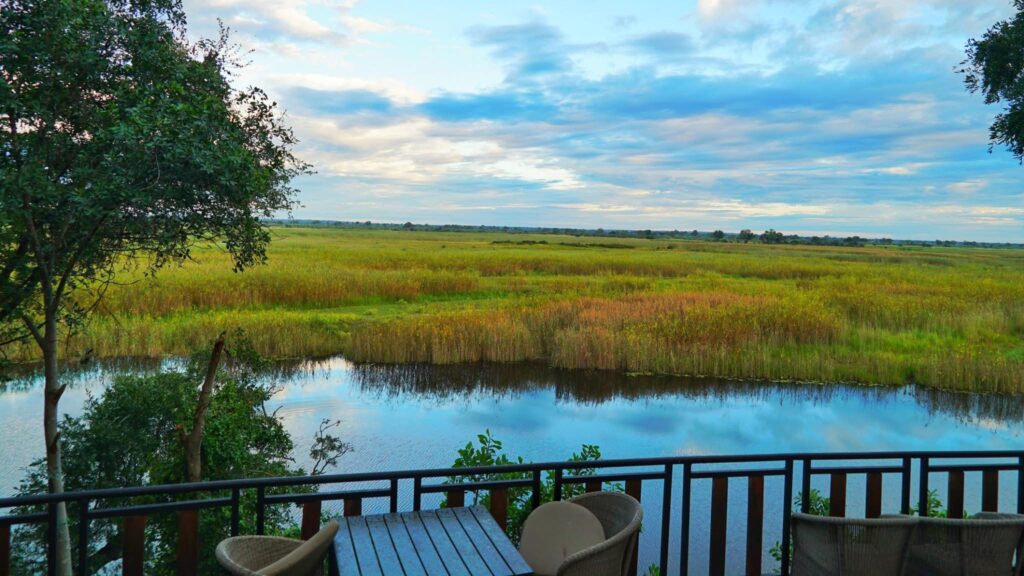
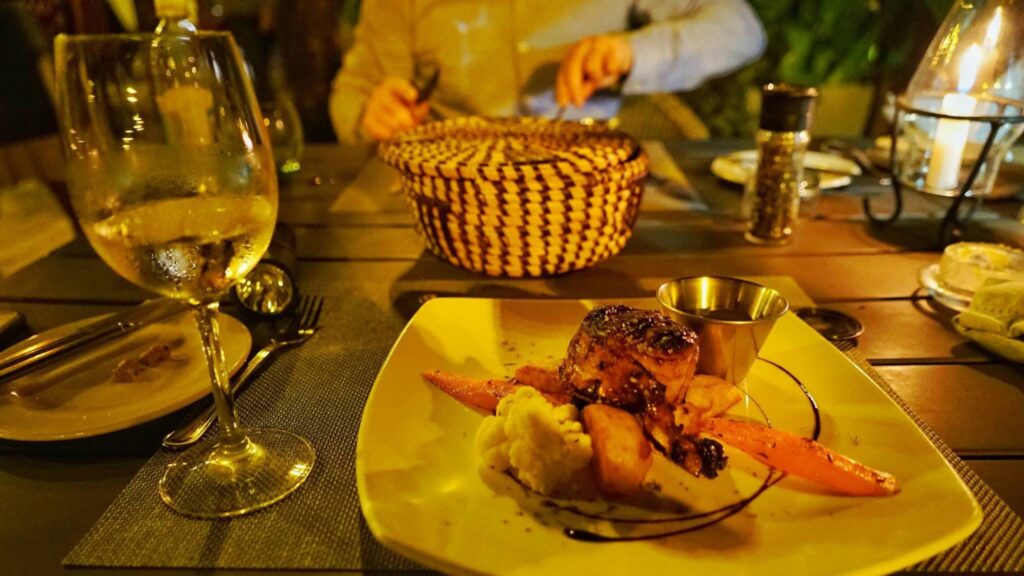
Here, you can choose between camping under the stars or staying in comfortable lodge rooms. The highlight, however, is the restaurant. Set above the water, it offers sweeping views over the river system — a shimmering mix of channels, wetlands, and floodplains that feel almost delta-like.
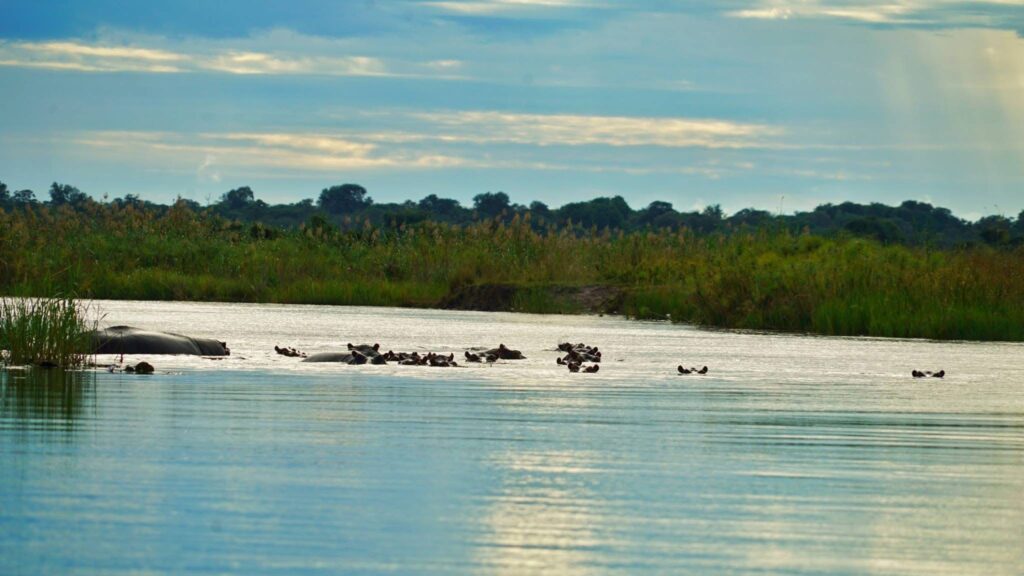
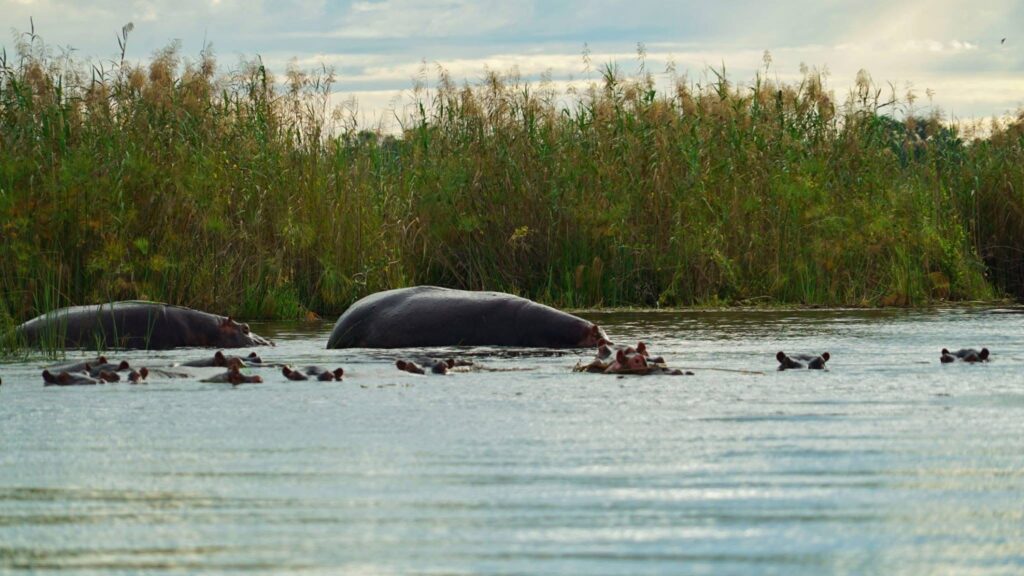
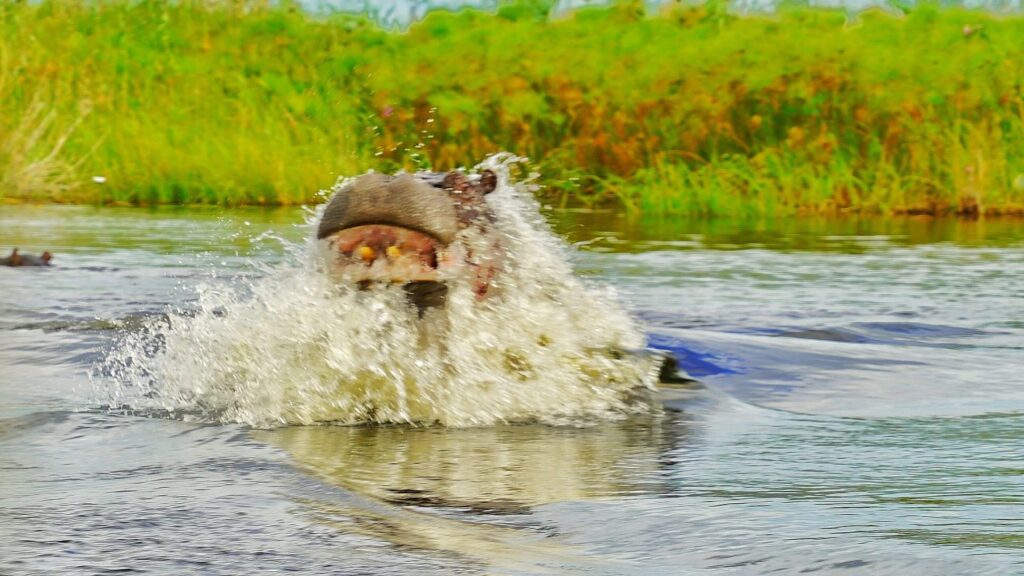
As the sun sets, the water turns gold, hippos grunt in the distance, and the day slows to a peaceful close. It’s one of those places where time seems to stretch.
Exploring the Waterways: A Hippo Boat Tour
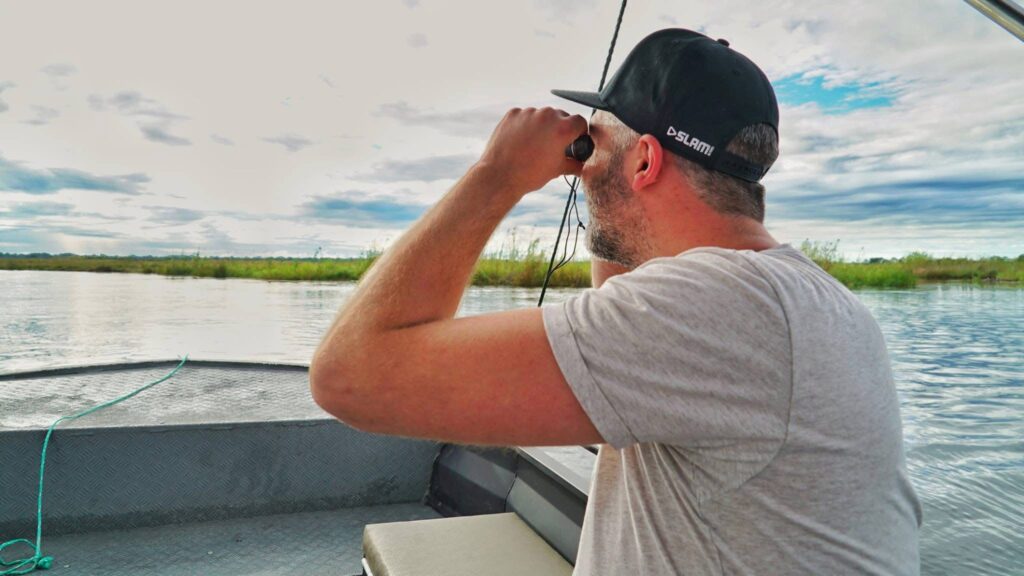
From the lodge, you can join a guided boat tour along the river — one of the absolute highlights of the Caprivi Strip. Gliding silently over the water, you’ll spot Hippos basking on the banks, hippos surfacing beside the boat, and countless bird species overhead.
The guides share stories about the ecosystem, the seasonal floods, and how wildlife and local communities coexist in this water-rich environment. It’s a serene yet thrilling experience that shows the Caprivi from its most authentic perspective.
Wildlife in the Caprivi Strip
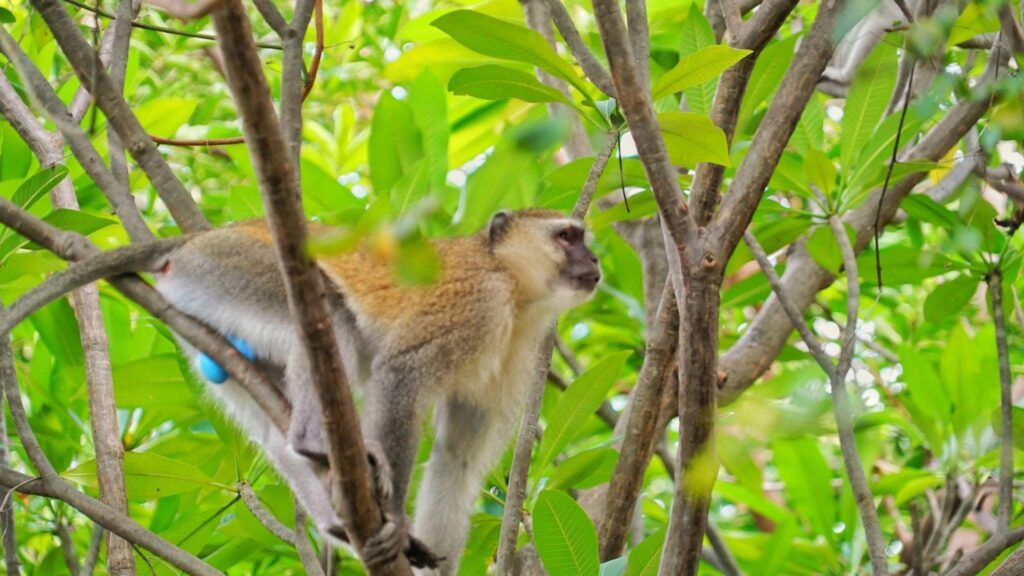
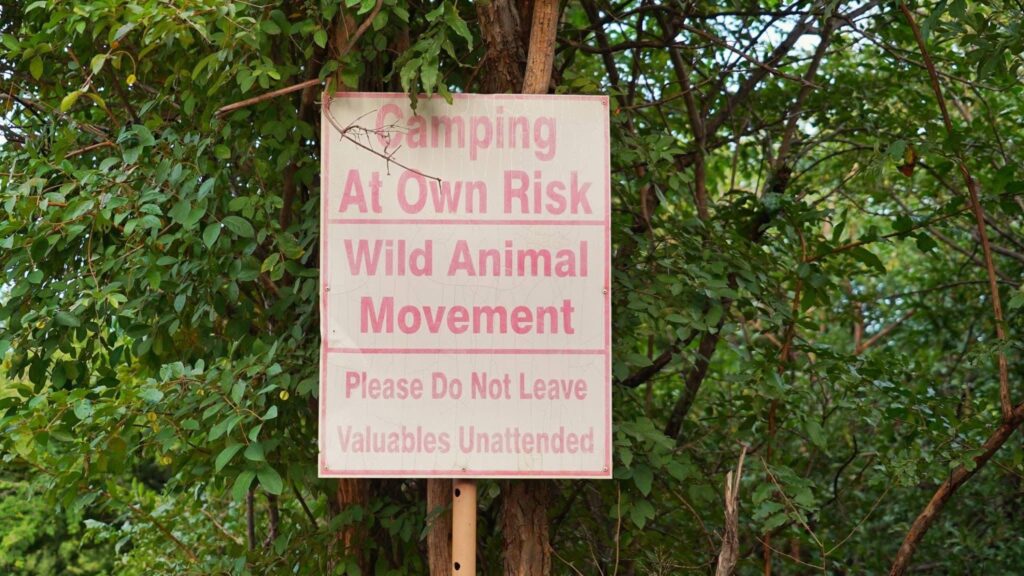
Unlike other parts of Namibia, wildlife in the Caprivi Strip revolves around water. Elephants move between river systems, buffalo graze the floodplains, and antelope emerge at dusk. Birdlife is extraordinary, making this region a dream for birdwatchers.
This is not the classic open savanna safari — it’s softer, greener, and more intimate. Wildlife appears naturally, often unexpectedly, woven into everyday life along the rivers.