



This route through Israel felt perfectly balanced. City life, ancient history, desert silence, saltwater floating, and coral-blue seas — all in one journey. Nothing felt rushed, and every stop added something different to the story. This is the exact route I travelled, step by step, and honestly, I wouldn’t change much about it.
Arrival in Israel: Landing at Ben Gurion Airport
The journey starts at Ben Gurion Airport, Israel’s main international airport. It’s modern, efficient, and very well organised. After landing, you immediately feel that you’ve arrived somewhere different — culturally, geographically, and emotionally.
From the airport, Tel Aviv is close. Within a short drive or train ride, you’re already in the heart of the city, surrounded by palm trees, cafés, and Mediterranean air.
Tel Aviv & Jaffa (2 Nights)
Our first stop was Canggu, and honestly, it’s a perfect soft
We spent the first two days in Tel Aviv, which is the perfect introduction to Israel. Tel Aviv is modern, energetic, and relaxed at the same time. Beaches stretch along the city, cafés are everywhere, and life happens mostly outdoors.
One of the highlights here is exploring Jaffa, Tel Aviv’s ancient neighbour. Walking through Jaffa feels like stepping into another era. Narrow stone alleys, small art galleries, mosques, churches, and viewpoints overlooking the old harbour give you an immediate sense of history. The flea market, small cafés, and restaurants make it easy to spend hours here without a plan.
Tel Aviv and Jaffa together give you the perfect mix of old and new — modern Israel next to ancient roots.
Train from Tel Aviv to Jerusalem
From Tel Aviv, we took the train to Jerusalem, which is by far the easiest and fastest option. The ride takes about half an hour and is comfortable and modern. Watching the landscape change from coastal city to hills adds to the experience.
Arriving in Jerusalem feels different immediately. The atmosphere shifts. The pace slows, and the city feels heavier — in the best possible way.
Jerusalem (2 Nights)
We spent two full days in Jerusalem, and even that felt short. Jerusalem is intense, layered, and deeply emotional. You don’t just see history here — you walk through it.
Exploring the Old City of Jerusalem is unforgettable. Within its walls, you move through four quarters — Muslim, Christian, Jewish, and Armenian — each with its own rhythm and identity. Highlights include the Al-Aqsa Mosque, the Western Wall, and the Church of the Holy Sepulchre, all within walking distance of each other.
Walking the Via Dolorosa, visiting the city gates, and getting lost in the souks makes Jerusalem feel alive, not frozen in time.
Day Trip: Bethlehem (Palestine)
From Jerusalem, you can easily take a bus or taxi to Bethlehem, located in the Palestinian Territories. This makes for a meaningful day trip, offering a different perspective on the region.
Visiting places like the Church of the Nativity adds another layer to the journey and highlights how closely history, religion, and modern politics are intertwined here.
Rental Car & Drive to the Dead Sea (Ein Bokek)
After Jerusalem, we picked up a rental car, which gave us complete freedom for the rest of the route. From there, we drove east toward the Dead Sea.
Our base was Ein Bokek, the main resort area on the Israeli side. Floating in the Dead Sea is one of those experiences you’ve seen a hundred times in photos — and yet, doing it yourself still feels surreal.
The landscape here is silent, dry, and almost lunar. It’s a place where you slow down without trying.

Stop Along the Way: Ein Gedi National Park
Driving along the Dead Sea, we made a stop at Ein Gedi National Park. This oasis feels like a miracle in the desert. Fresh water, waterfalls, wildlife, and green vegetation appear suddenly between cliffs and stone.
Hiking here after floating in the Dead Sea creates a beautiful contrast — salt and water, desert and life, silence and movement.
Driving the Dead Sea Road to Eilat
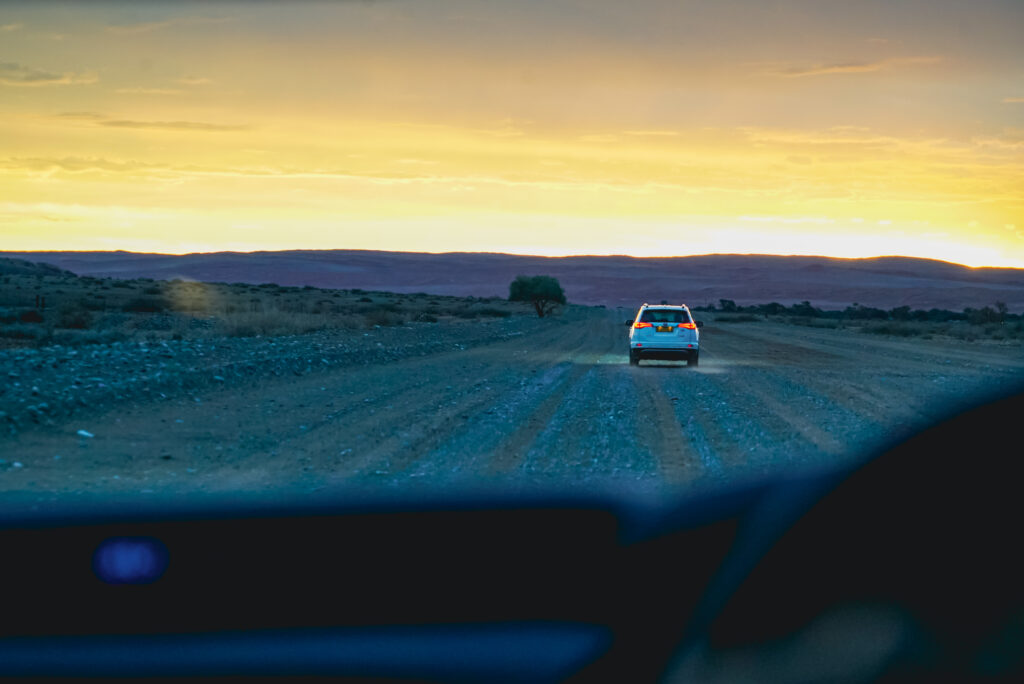
From Ein Bokek, we continued driving all the way south along the Dead Sea, one of the most scenic drives in Israel. The road hugs the shoreline, with endless views of salt flats, mountains, and desert.
Eventually, the landscape opens up, and you reach Eilat, Israel’s southern resort city on the Red Sea.
Eilat (A Few Days)
We stayed a few days in Eilat, and it was the perfect place to relax after the intensity of Jerusalem and the desert. Eilat is all about sunshine, beaches, and water.
Here, you can snorkel or dive in the Red Sea, relax on the beach, walk the promenade, and enjoy evenings by the marina. It feels almost like a different country — holiday-focused, warm, and slow-paced.
Eilat is also a gateway to Jordan, making it easy to combine Israel with destinations like Petra or Wadi Rum.
Through the Negev Desert Back to Tel Aviv
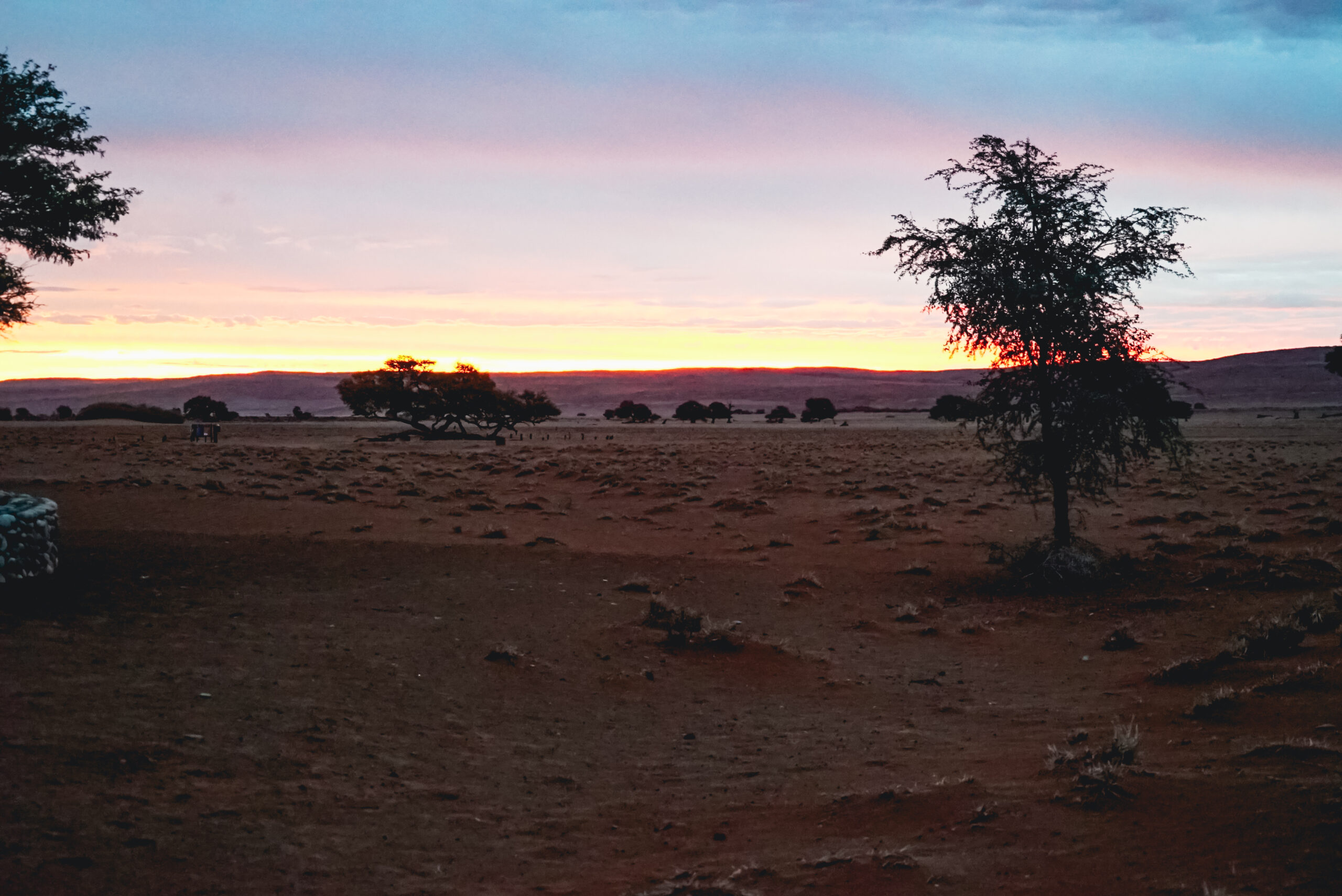
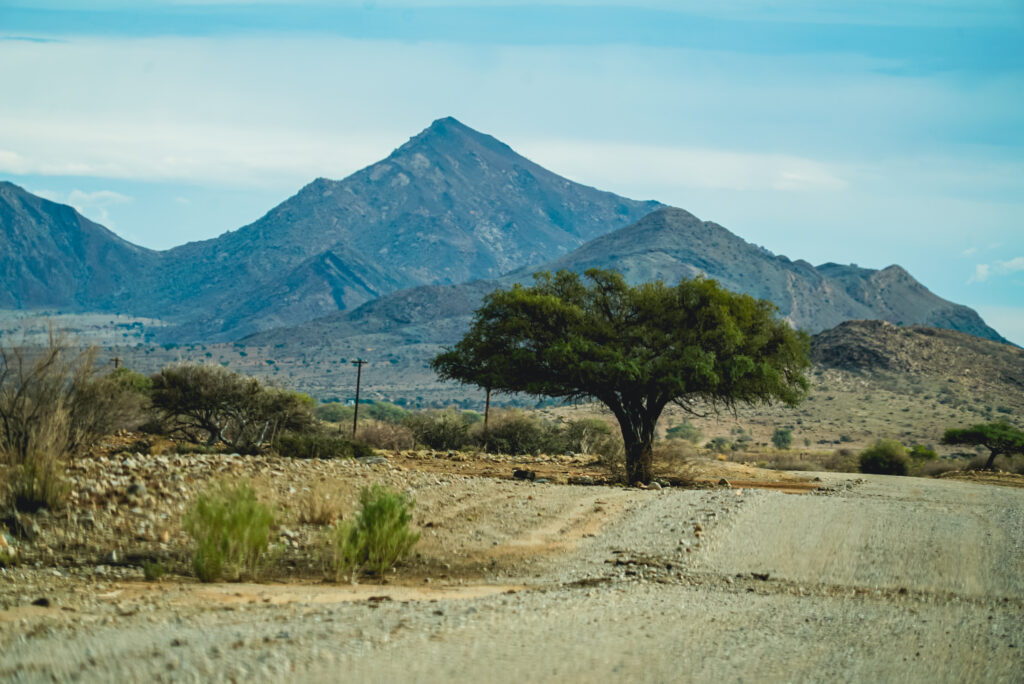
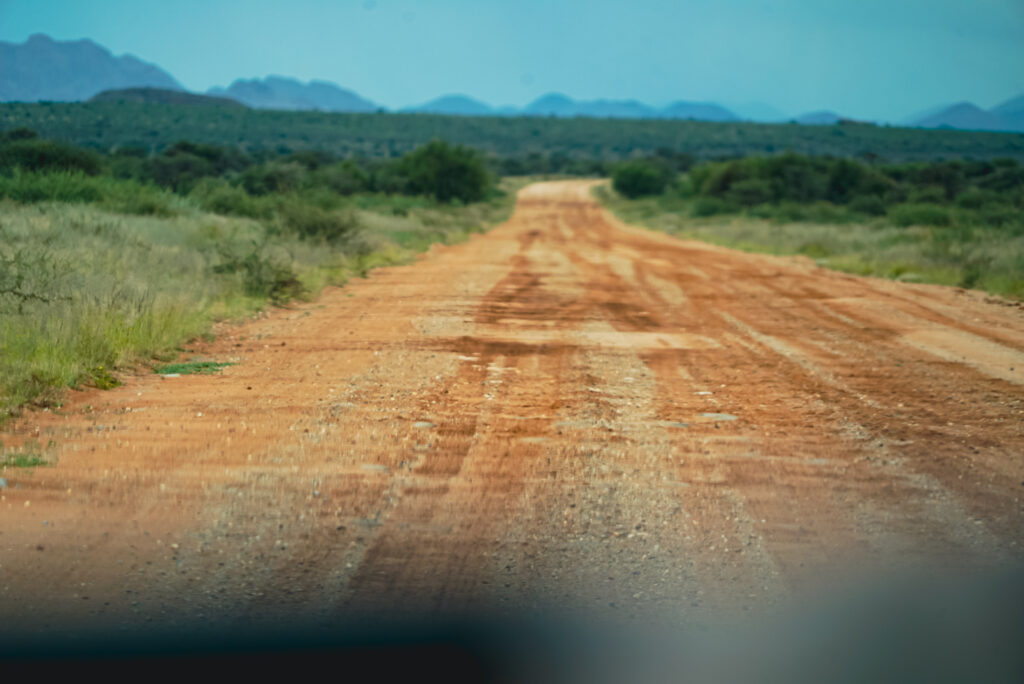
From Eilat, we drove back north through the Negev Desert toward Tel Aviv. This drive was one of the highlights of the trip. Wide open landscapes, changing colours, and endless roads make you feel small in the best way.
The Negev is quiet, dramatic, and humbling — a perfect final chapter before returning to the city.
Tel Aviv (2 Nights)
We ended the trip with two final nights in Tel Aviv, which felt like coming full circle. After deserts, history, and silence, Tel Aviv’s cafés, beaches, and energy felt comforting.
It’s the ideal place to decompress, reflect, and enjoy the last days before flying home.