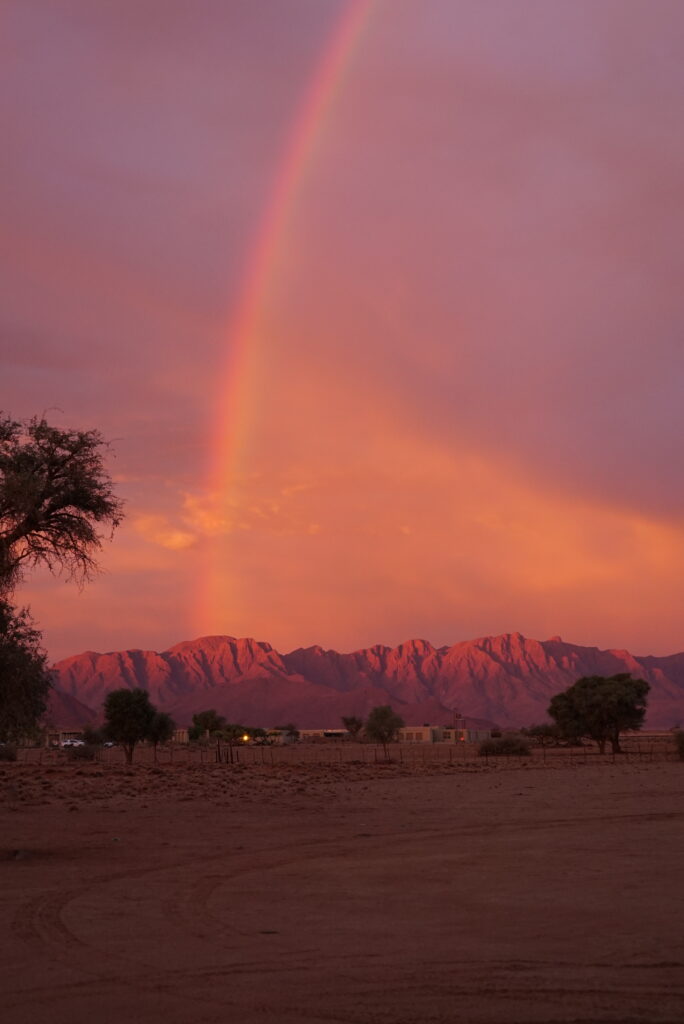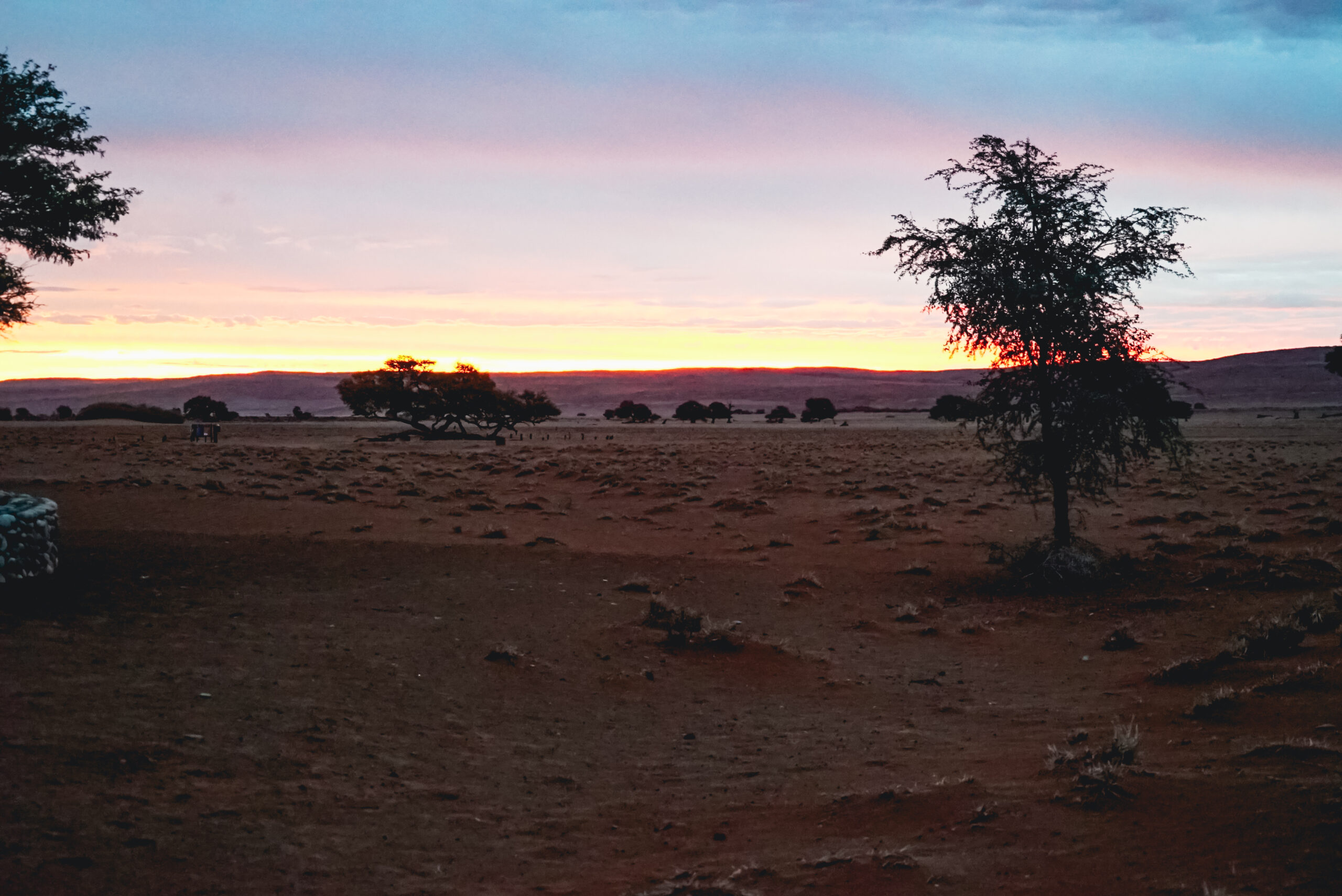




Sigiriya is one of those places that makes you stop mid-sentence. You’re driving through flat countryside, jungle on both sides, and suddenly this massive rock rises straight out of the land. It feels unreal, almost placed there on purpose. Sigiriya isn’t just a sight — it’s a statement.
This is one of Sri Lanka’s most iconic landmarks, and seeing it in real life is even more impressive than any photo.
A Short History of Sigiriya
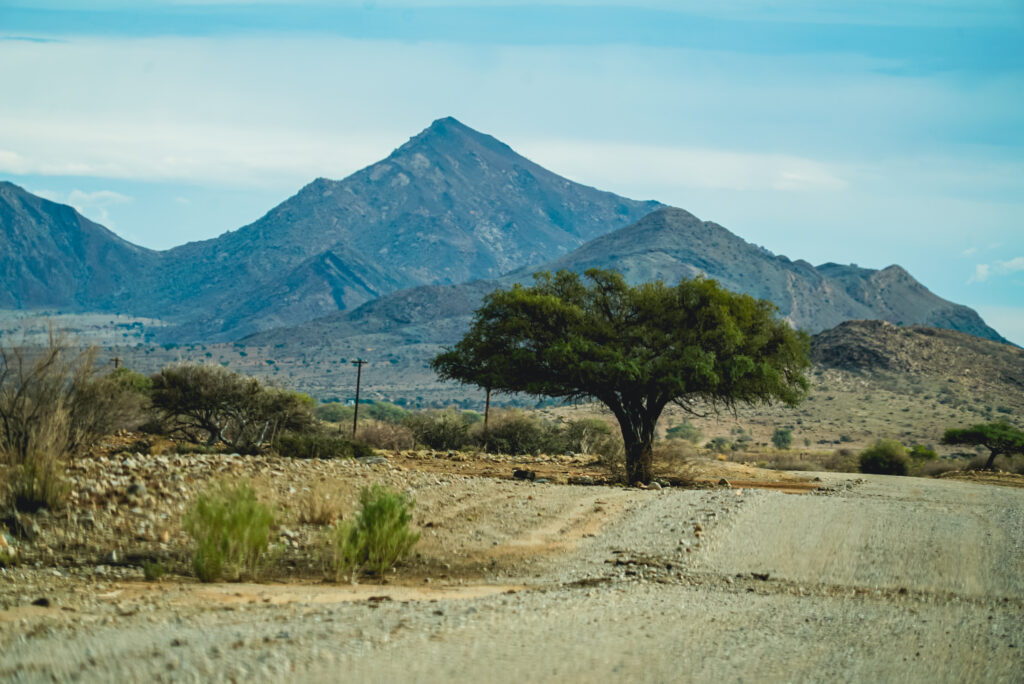
Sigiriya dates back to the 5th century and was built by King Kashyapa as a royal palace and fortress. The rock was chosen for its natural defensive position, towering nearly 200 meters above the surrounding plains. After the king’s death, Sigiriya became a Buddhist monastery before slowly being reclaimed by the jungle.
Today, Sigiriya is a UNESCO World Heritage Site and one of the most important archaeological locations in the country, blending history, engineering, and nature in a truly unique way.
Climbing Sigiriya Rock – Step by Step
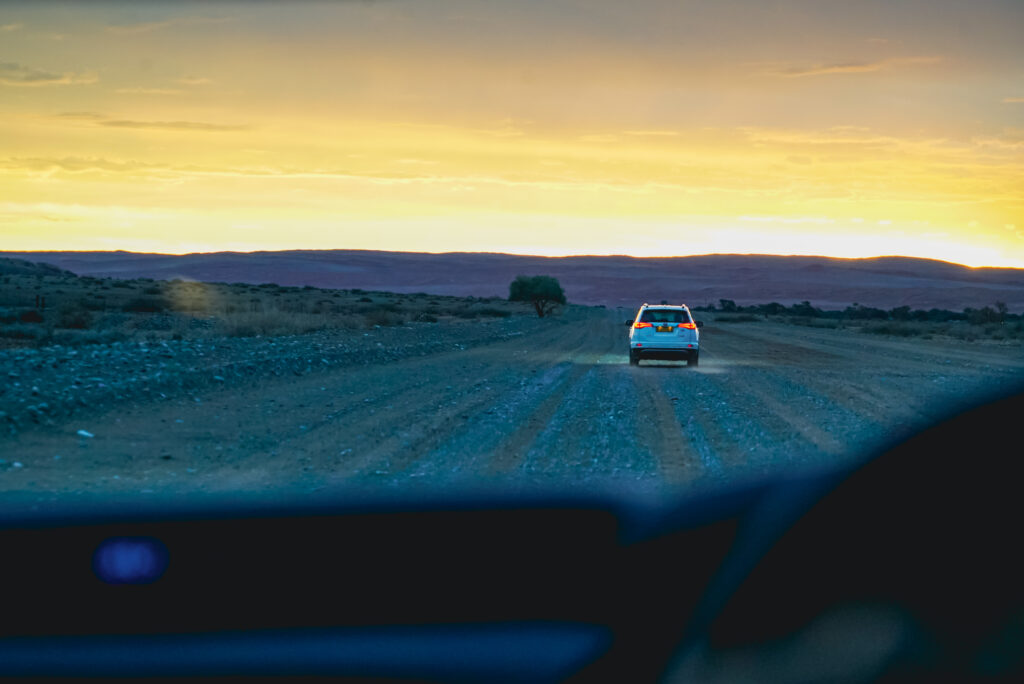
Climbing Sigiriya is an experience in itself. The path winds through landscaped water gardens, stone staircases, and narrow walkways built into the rock face. Along the way, you pass ancient frescoes — beautifully preserved paintings of celestial women that still feel alive centuries later.
The famous Lion’s Paw marks the final stretch to the top. Standing there, you realize how advanced this place once was. The climb isn’t technically difficult, but the heat makes it challenging — start early and bring water.

The View from the Top
Reaching the summit is incredibly rewarding. From the top, you see endless green jungle stretching in every direction. Ruins of the royal palace sit quietly under the open sky, reminding you that this was once a place of power and luxury.
Up here, everything feels still. It’s one of those moments where history and landscape merge completely.
Sigiriya Water Gardens – Ancient Design Genius
At the base of the rock, the Sigiriya Water Gardens show how advanced ancient Sri Lankan engineering really was. Symmetrical pools, fountains, and canals were designed centuries ago — some still function during the rainy season.
Walking through them before or after the climb gives you a deeper appreciation for the thought and precision behind Sigiriya’s design.
Pidurangala Rock – The Best View of Sigiriya
Just next door is Pidurangala Rock, and honestly, it’s a must. The hike is shorter and cheaper than Sigiriya, and from the top you get the best possible view of Lion Rock itself.
Sunrise from Pidurangala is especially magical. Watching the sun light up Sigiriya from across the valley is unforgettable and often less crowded.
The Surrounding Area – Slow & Green
The area around Sigiriya is peaceful and rural. Small guesthouses, rice fields, and quiet roads make it perfect for slowing down. Cycling around the villages or taking a short safari nearby adds another layer to your stay.
This is Sri Lanka at its calmest.
Bees & Heat Around Sigiriya – What to Expect
During the climb of Sigiriya you’ll notice bees or wasps around certain exposed sections near the top. They usually don’t attack, but they do hover close, especially when it’s hot and busy. It can feel a bit intimidating, but staying calm and moving slowly is key.
One very important tip: wear a cap or hat. The sun is brutal here, there’s almost no shade, and heat exhaustion can hit quickly. Bring enough water, take breaks, and don’t rush the climb.
Staying Around Sigiriya – Guesthouses in Nature
The area around Sigiriya is actually one of the best places in Sri Lanka to stay in a guesthouse. You’ll find beautiful, peaceful accommodations surrounded by jungle, rice fields, and sometimes even with direct views of Lion Rock itself.
Most guesthouses are small, family-run, and incredibly welcoming. Mornings here are quiet, cool, and green — birds, mist, and fresh air. Staying overnight makes the entire Sigiriya experience much more relaxed and enjoyable.
Sigiriya Village – Small, Local & Friendly
Sigiriya itself is a small village, but it has everything you need. In the evening, the atmosphere becomes calm and cosy. You can walk through the village, watch locals go about their lives, and feel completely disconnected from big-city chaos.
It’s not flashy — and that’s exactly why it works so well.
Where to Eat in Sigiriya – Simple & Good
In the village you’ll find several local restaurants and dining halls serving freshly cooked Sri Lankan food. Rice and curry is the go-to option, often homemade and full of flavour. Portions are generous, prices are fair, and everything feels honest and local.
Dining here is relaxed — no rush, no noise, just good food after a long day of exploring.
Evening Drinks & Small Bars
Sigiriya isn’t a party town, but there are a few small, laid-back bars where you can grab a beer or a simple drink in the evening. Travelers and locals mix easily, stories get shared, and nights end early — in the best way possible.
It’s the kind of place where you unwind, not where you stay out until sunrise.