


Sal is often seen as the classic beach island of Cape Verde. Sun, sea, and long stretches of sand definitely play a big role here — but Sal has much more to offer than many travellers expect. Beyond the beach towels and cocktails lies an island shaped by wind, salt, lava and ocean, where nature and local life quietly take center stage.
If you take the time to explore, Sal reveals a surprising variety of experiences.
A Landscape Shaped by Salt and Volcanoes
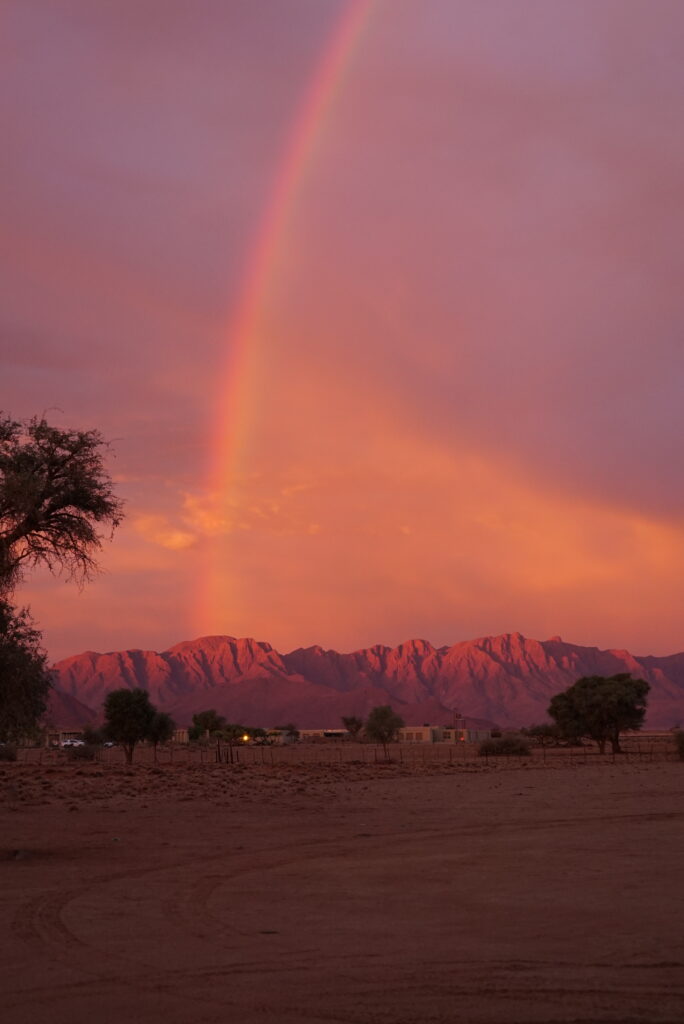
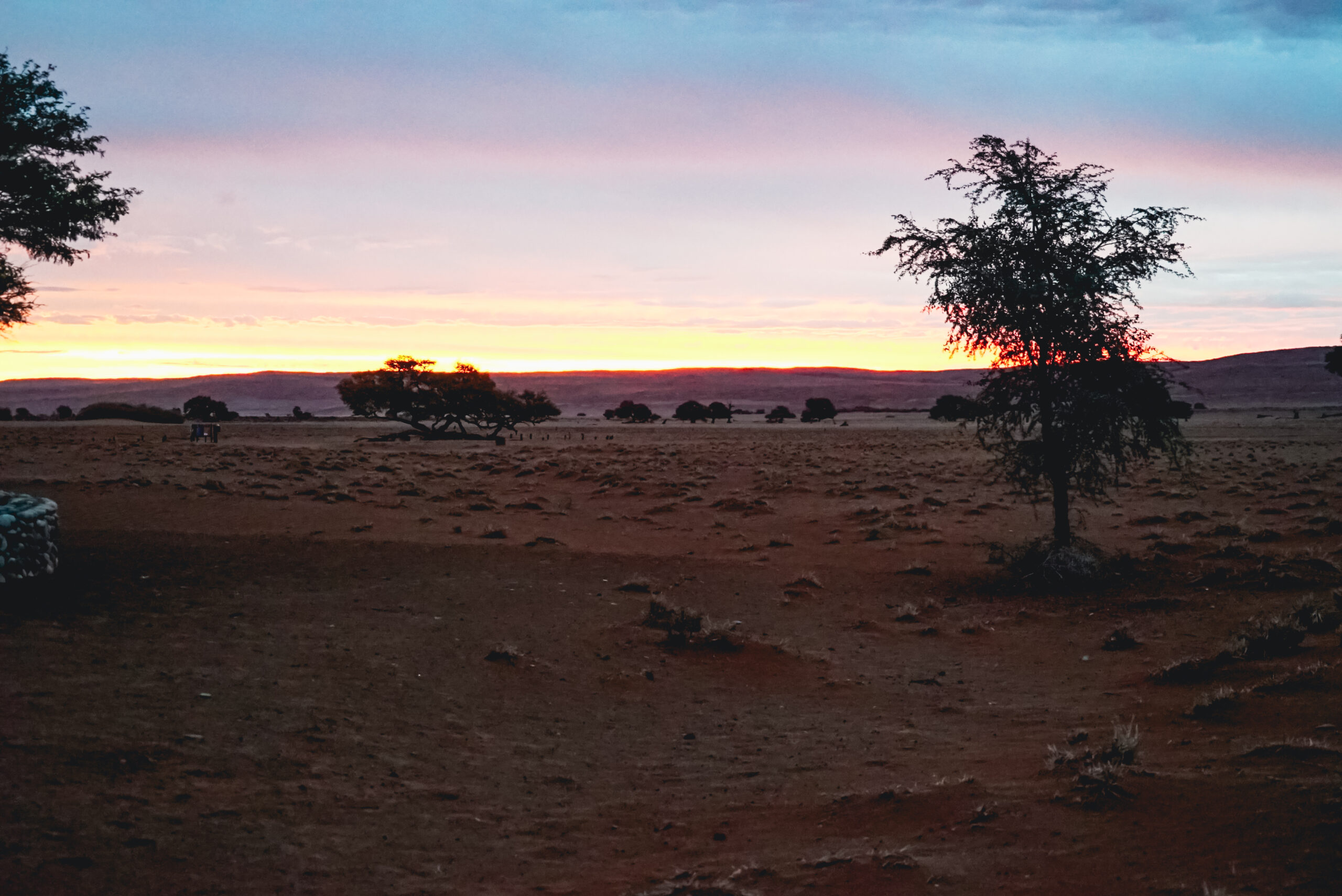
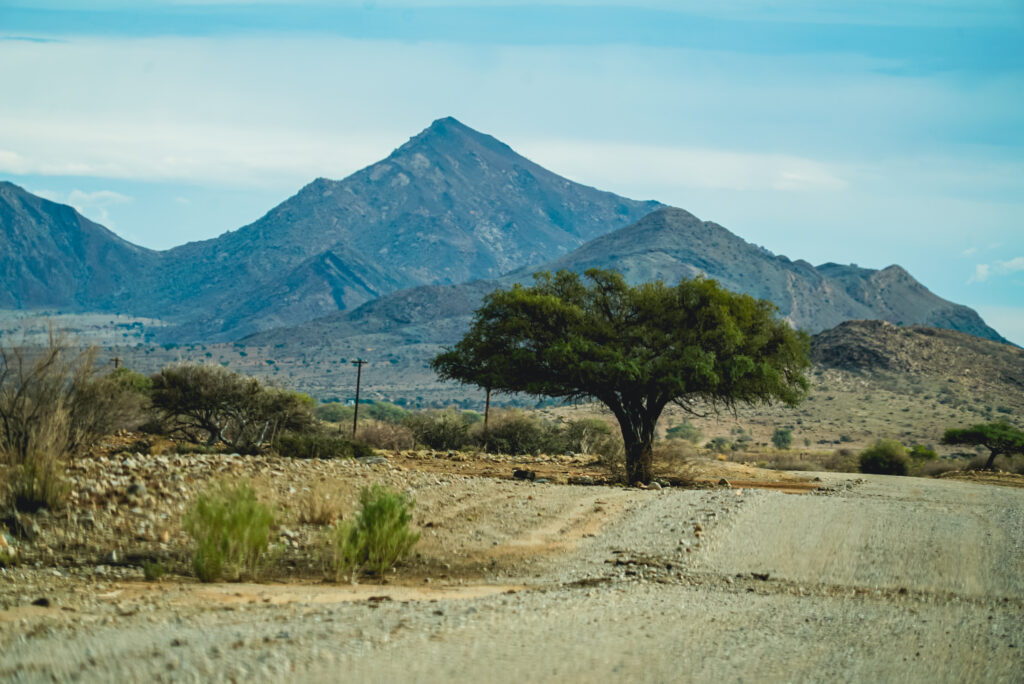
Sal is dry, open and minimalistic, and that’s exactly what makes it beautiful. The island’s volcanic origins are visible everywhere, from dark lava rock formations to flat salt plains that seem to stretch endlessly toward the horizon. This raw landscape gives Sal a calm, almost meditative feeling — especially once you leave the busier beach areas behind.
One of the most unique places on the island is the Pedra de Lume salt crater, located inside an extinct volcano. Here, you can float effortlessly in salty water, similar to the Dead Sea, while learning about the island’s long history of salt production.
The Old Volcanic Crater of Pedra de Lume
One of the most remarkable places on Sal is the Pedra de Lume. This former volcanic crater once played a key role in the island’s salt production. Today, it’s known for its shallow salt lake, where you can float effortlessly thanks to the high salt concentration.
Standing inside the crater feels almost unreal — surrounded by volcanic rock, with the ocean just beyond the crater walls. It’s both relaxing and impressive, and it tells an important part of Sal’s history.
The Salt Pans of Sal
Salt is deeply connected to Sal’s identity — even the island’s name comes from it. Scattered across the island are salt pans, where salt has been harvested for centuries. These flat, shimmering landscapes reflect the sky and give the island its open, minimalist feel.
Visiting the salt pans offers a quiet moment away from crowds and shows how nature and tradition are closely linked on Sal.
Caves and Lava Formations Along the Coast
Sal’s volcanic past is visible not only inland but also along the coastline. In several places, lava flows have created natural caves and rock formations, carved by wind and waves over time. These rugged areas feel wild and untouched, especially compared to the smooth beaches nearby.
Exploring these spots gives you a deeper appreciation for the island’s raw geological beauty.
The Blue Eye – A Natural Light Show
One of Sal’s most famous natural sights is the Blue Eye, located at Buracona. This natural pool is connected to the ocean, and when the sunlight hits it at the right angle, the water glows in a deep, bright blue — like an eye opening beneath the surface.
The effect is strongest around midday and is a simple but unforgettable example of how light and nature work together on Sal.
Natural Pools at the East Coast: Buda Kona
On the more rugged east coast of the island lies Buda Kona, a series of natural pools formed by volcanic rock. Here, waves crash against the coast while seawater fills the pools, creating a dramatic and powerful setting.
Swimming conditions depend on the sea and weather, but even just watching the ocean here is impressive. It’s a reminder of how untamed the Atlantic can be.
Santa Maria: The Heart of the Island
The coastal town of Santa Maria is the social heart of Sal. What started as a small fishing village has grown into a lively, walkable town with colorful streets, beach bars and local restaurants. Despite its popularity, Santa Maria still feels relaxed and friendly.
Early in the morning, the pier comes alive as fishermen bring in their catch. Later in the day, cafés fill up, music drifts through the streets and the beach becomes a meeting place for locals and visitors alike. It’s a great spot to slow down and experience daily island life.
Ocean Experiences Beyond Swimming
The ocean around Sal is constantly moving — and that energy defines the island. Thanks to steady winds and warm waters, Sal is one of the best places in Cape Verde for kitesurfing, windsurfing and surfing. Even if you don’t practice these sports yourself, watching the colorful kites dance across the sky is an experience in itself.
For something calmer, boat trips and snorkeling excursions offer a chance to explore marine life. In shallow bays, you can spot tropical fish, and during certain seasons, there’s even the possibility of seeing turtles or whales offshore.
Wildlife and Natural Encounters
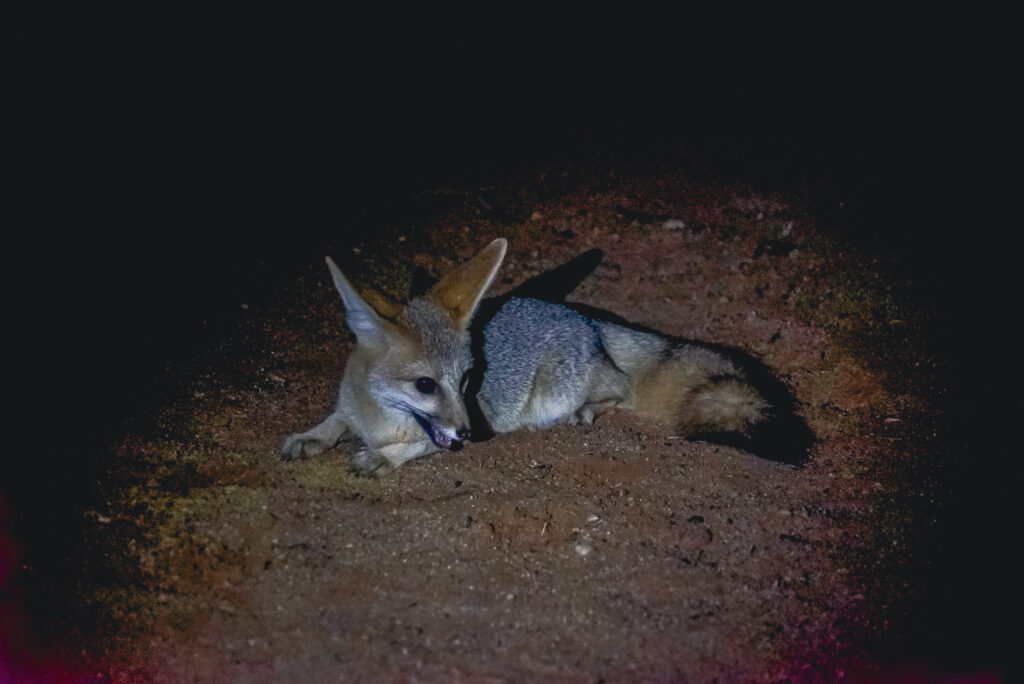
One of the more unexpected experiences on Sal is visiting Shark Bay, where young lemon sharks swim close to shore. Walking through the shallow water while these sharks glide past is safe and surprisingly peaceful — a reminder of how closely connected the island is to the ocean.
Depending on the time of year, Sal also plays a role in sea turtle conservation, with nesting sites protected along the coast.
Desert Roads and Quiet Corners
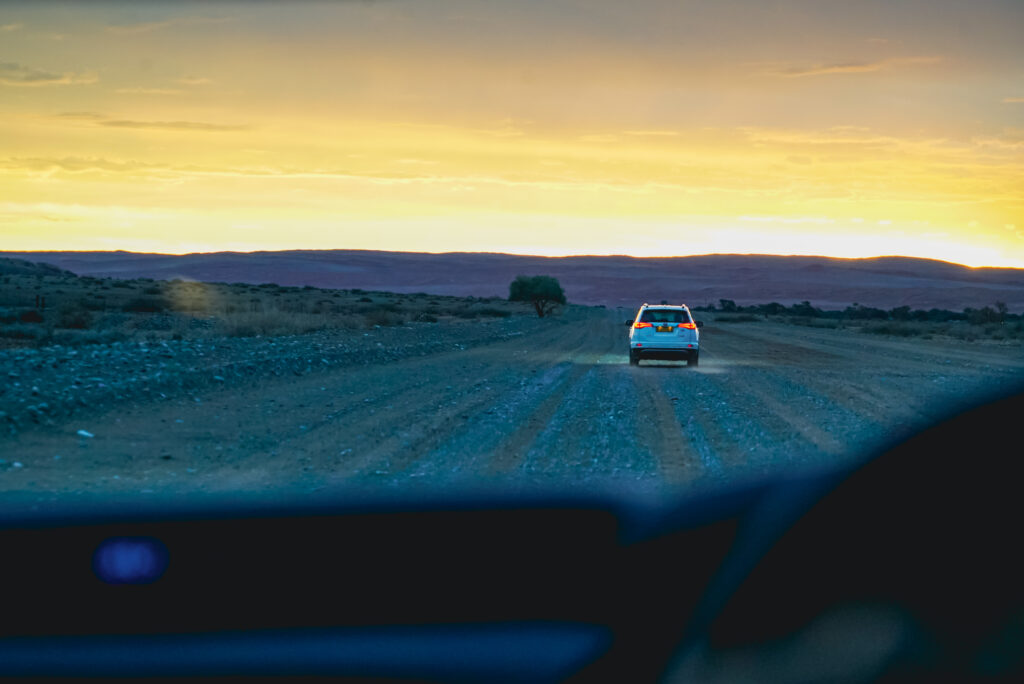
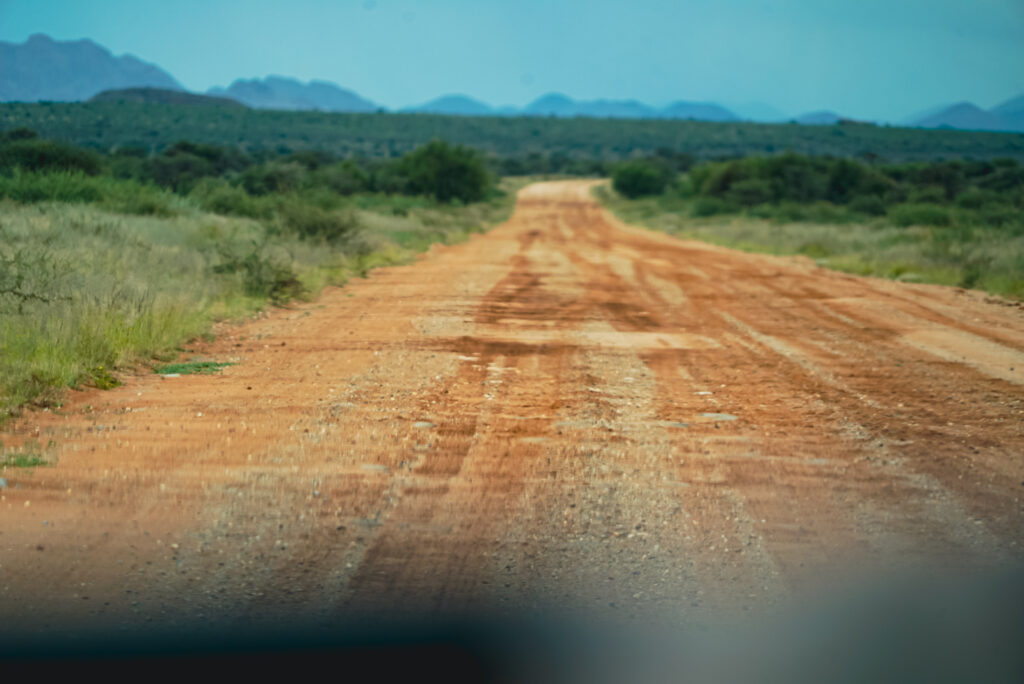
A trip around the island shows a different side of Sal. Small villages, empty roads and wide-open spaces dominate the interior. Places like Murdeira Bay offer quiet beaches and great views, especially at sunset. Driving or joining a tour around the island gives you a sense of Sal’s scale and simplicity — and how quickly the landscape changes.
Slow Evenings and Island Rhythm
Evenings on Sal are unhurried. Dinners stretch long, music plays softly in the background, and the air cools down after sunset. Whether you’re enjoying fresh seafood, listening to live music, or simply walking along the beach, Sal encourages you to slow your pace and stay present.