




Planning Your Budget for Buenos Aires: What You Need to Know
Buenos Aires is a vibrant, exciting city with endless things to see, eat, and do. If you’re planning a trip, it’s helpful to have a realistic idea of costs so you can make the most of your time without overspending. Here’s a detailed look at budgeting for flights, accommodation, food, transport, and daily expenses in the Argentine capital.

Flights to Buenos Aires
The first and often biggest expense is your flight. Ticket prices can vary greatly depending on the season. High season, holiday periods, or the Argentine summer can be more expensive, while off-peak times offer better deals.
My personal tip: if you’re flexible with dates, play around with your travel window. Sometimes shifting your trip by a few days — or even a week — can make a huge difference. Look beyond a fixed three-week period; consider shorter or slightly longer trips. Exploring different options can help you find the best deal.
✈️ Book your flight here!

Accommodation in Buenos Aires
Once you arrive in Buenos Aires, you have a wide range of accommodation options, depending on your budget.
I personally went for a mix: part of my stay was in an apartment, and part in a hotel. Apartments typically cost around €50–€80 per night, while hotels are slightly higher, often around €100 per night. Keep in mind that inflation in Argentina is high and prices can change daily.
Choosing a mix allowed me to balance comfort with cost, giving me flexibility while exploring the city.
➞ These are my favourite hotels in the city!
Food & Dining Costs
Food in Buenos Aires offers something for every budget.
I usually started my mornings at Tostado, a local coffee chain known for its large, tasty toast sandwiches. Breakfasts are cheap and filling, perfect for starting a day of walking and exploring.
For lunch, I often had small snacks or tried local specialties at markets or casual spots in neighborhoods like San Telmo. This kept costs reasonable while still allowing me to experience local flavors.
Dinner was typically in a nice steakhouse or Italian restaurant. Prices fluctuate due to inflation, but a steak usually cost between €30–€50. If you keep an eye on daily specials, you can sometimes find cheaper options. For lighter or more casual dinners, I occasionally chose pizza or other affordable meals.
Overall, I budgeted roughly €50 per day for food
➞ My favourite foodspots in Buenos Aires!

Transport Around the City
Buenos Aires is very walkable, and I spent most of my time exploring on foot. It’s a great way to really experience the neighborhoods.
For longer distances, I used public transport or Uber. If you’re travelling with friends, splitting an Uber can be very economical. Public transport is cheap and convenient, while walking allows you to stumble upon hidden gems.
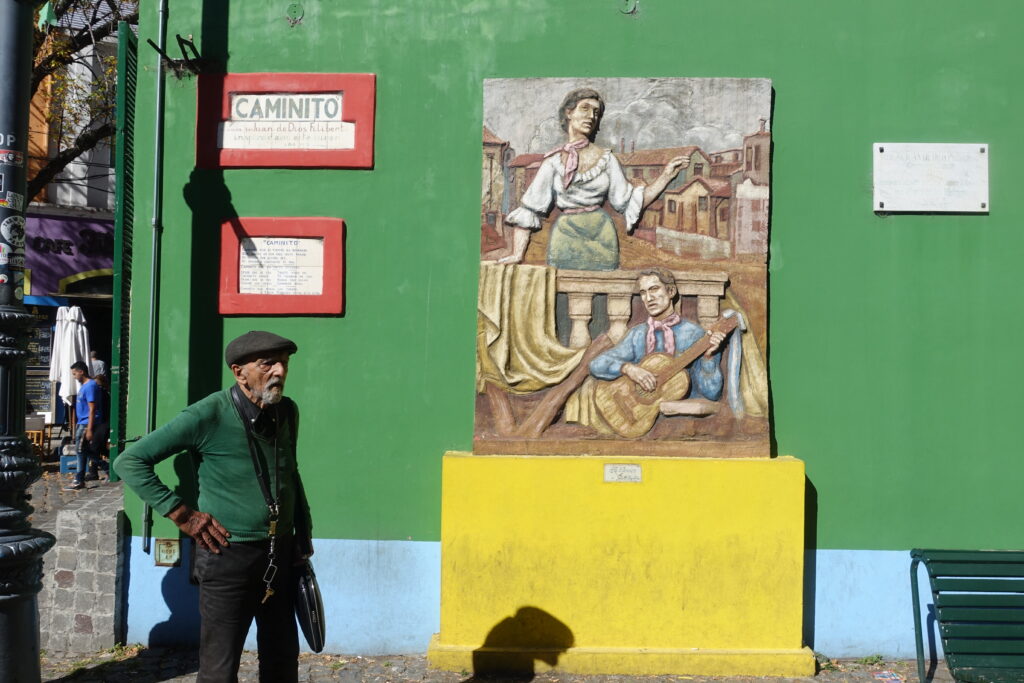
Some neighborhoods, like La Boca, also offer free walking tours — a great way to explore while keeping costs low. Check schedules online or through local guides, as times can vary.
Daily transport costs averaged around €10.
Daily Budget Overview
Here’s a breakdown of what a typical day in Buenos Aires might cost if you balance comfort with savings:
• Accommodation (shared apartment or hotel) – €40 per night
• Food – €50 per day
• Transport – €10 per day
This puts the average daily budget at roughly €80–€100, which allows for a comfortable but flexible stay in the city.
Address: Barcelona Avenue 34, Buenos Aires
Google Maps: Check here!


Money & Payments
Withdrawing cash in Buenos Aires is relatively straightforward. I withdrew money at the airport upon arrival, but there are also plenty of ATMs throughout the city.
My advice: always carry a credit card for backup, some cash in pesos, and a small amount of USD to exchange if needed. This ensures you’re covered for all situations, from taxis to meals and small purchases.
Summary
Buenos Aires can be both affordable and luxurious, depending on how you plan your trip. By keeping an eye on flights, mixing accommodation types, and balancing food choices, you can enjoy everything the city has to offer without breaking the bank.