



Muscat doesn’t try to impress you loudly — and that’s exactly its power. The capital of Oman feels calm, spacious, and grounded. No skyscraper madness, no chaos. Instead, you’ll find white buildings, mountains rising behind the city, and the sea always nearby. Muscat feels elegant without showing off, traditional without feeling old.
We started our Oman journey here, and it was the perfect introduction to the country.
History of Muscat
Historically, Fukuoka played a crucial role in Japan’s contact with mainland Asia. Its port made it one of the first places where trade, culture, and ideas entered the country from China and Korea. Over time, two cities existed side by side: the merchant city of Hakata and the samurai city of Fukuoka. These were later merged into the modern city we know today.
Hakata’s influence is still very visible, especially in food and festivals. Fukuoka has always been outward-looking, open to change, and quick to adapt. That mindset helped it grow into one of Japan’s most dynamic regional cities. Today, it’s known for innovation, start-up culture, and an excellent quality of life.

Al Bustan Palace, a Ritz-Carlton Hotel – More Than Just a Hotel
One of the first places we visited was Al Bustan Palace, a Ritz-Carlton Hotel — and honestly, this place alone is a sight worth visiting. Located right on the sea and framed by dramatic mountains, the hotel feels like a palace carved into the landscape.
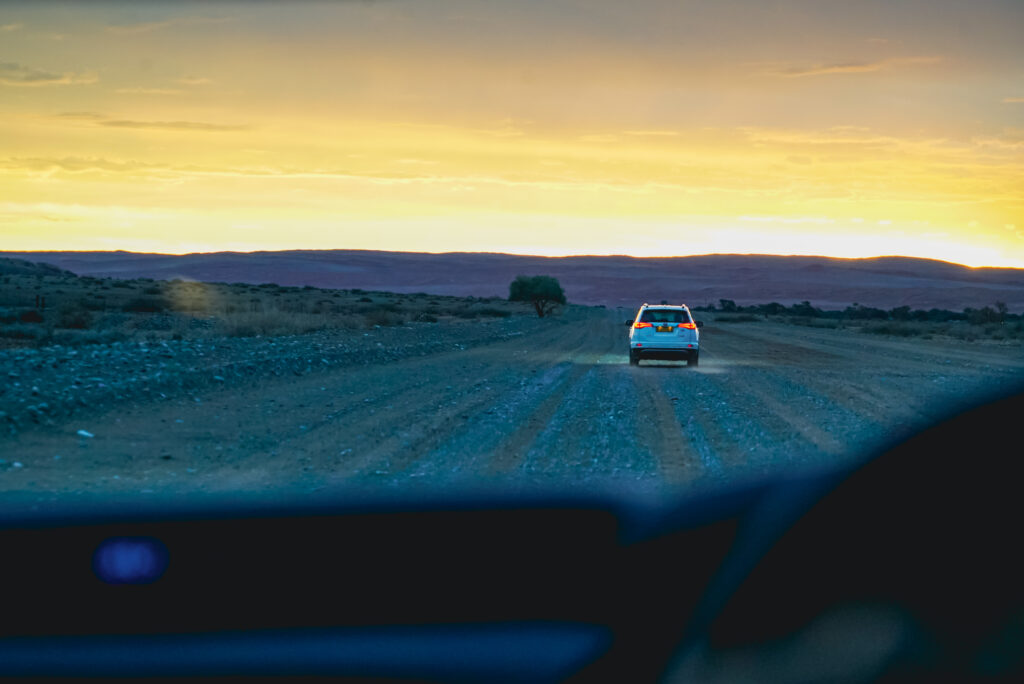
This is where we picked up our rental car, which worked perfectly. Even if you’re not staying here, walking through the lobby is an experience. High ceilings, Omani details, fountains, and views over the Gulf of Oman — luxury done quietly and tastefully.

Sultan Qaboos Grand Mosque – A Masterpiece of Faith
The Sultan Qaboos Grand Mosque is without question one of the most impressive mosques in the region. Open to non-Muslim visitors, it welcomes you into a space of calm, symmetry, and light.
Inside, you’ll see one of the world’s largest chandeliers and a handwoven Persian carpet that took years to complete. Dress modestly — but don’t worry, everything is well organised and respectful. Visiting this mosque isn’t just sightseeing; it’s a moment of reflection.
Mutrah Corniche & Mutrah Souq – Life by the Sea
The Mutrah Corniche is where Muscat truly comes alive. A long promenade along the harbour, with fishing boats, mountains, and white buildings lining the water. It’s especially beautiful in the late afternoon.
Right next to it is the Mutrah Souq, one of the oldest markets in Oman. Inside, you’ll find frankincense, silver jewellery, spices, perfumes, and souvenirs. It’s busy, but not aggressive — browsing here feels relaxed and friendly.
Al Jalali & Al Mirani Forts – Watching Over the City
Standing guard over the old harbour are the Al Jalali Fort and Al Mirani Fort. Built by the Portuguese, these forts remind you of Muscat’s strategic importance.
You can’t enter both, but even seeing them from outside adds depth to your understanding of the city. They frame the coastline beautifully and make the old town feel timeless.
The Royal Opera House – Modern Culture, Omani Style
The Royal Opera House Muscat is another highlight. Elegant, modern, and built with traditional Omani design elements, it shows how culture is valued here.
Even if you don’t attend a performance, the building itself is worth visiting. It represents Muscat’s balance between tradition and modern ambition.
Mutrah Souq – Getting Lost in the Soul of Muscat
The Mutrah Souq is not just a market — it’s an experience, and honestly one of the best places to feel Muscat. Walking into the souq feels like stepping into another rhythm of the city. The light dims, the air fills with the smell of frankincense, spices, perfume oils, and warm wood, and suddenly time slows down.
The souq is a maze of narrow alleys where you don’t really walk with a plan — you wander. Small shops sell silver jewellery, khanjars (traditional Omani daggers), scarves, antiques, spices, dates, and souvenirs. Some stalls look like they haven’t changed in decades, and that’s exactly the charm.
Eating Camel Meat in Muscat – A True Omani Tradition
In Muscat, if you want to eat something truly traditional, you can try camel meat, which is an important part of Omani cuisine. It’s not something you see everywhere, but in local restaurants you’ll find camel prepared slowly, often in stews or grilled dishes. The meat is lean, flavourful, and surprisingly tender when cooked the Omani way. Eating camel in Muscat doesn’t feel like a gimmick — it feels cultural, respectful, and deeply connected to Bedouin traditions that have shaped Oman for centuries.