



Luang Prabang is one of those places that immediately feels special. The town sits quietly between the Mekong and Nam Khan rivers, wrapped in jungle-covered hills and filled with golden temples. Nothing here is rushed. Days unfold gently, guided by sunrise rituals, market sounds, and river sunsets.
This is not a city you tick off — it’s a place you experience slowly. From monks walking barefoot at dawn to lantern-lit evenings along the river, Luang Prabang invites you to move at its pace.
History of Luang Prabang
Luang Prabang was once the royal capital of the ancient Lan Xang Kingdom, which makes its historical importance enormous for such a small town. For centuries, it was the spiritual and political heart of Laos. Even today, that royal and religious identity is everywhere.
French colonial influence later shaped the town’s architecture, creating a rare blend of Buddhist temples and elegant colonial buildings. Because Luang Prabang was largely spared from modern development, its historic centre remains beautifully preserved — a big reason it is a UNESCO World Heritage site.
How to Get to Luang Prabang (and Our Road Trip Experience)
There are several ways to reach Luang Prabang. You can fly from Vientiane, or take the high-speed train — which is fast and comfortable, but must be booked in advance. Last-minute tickets are often unavailable.
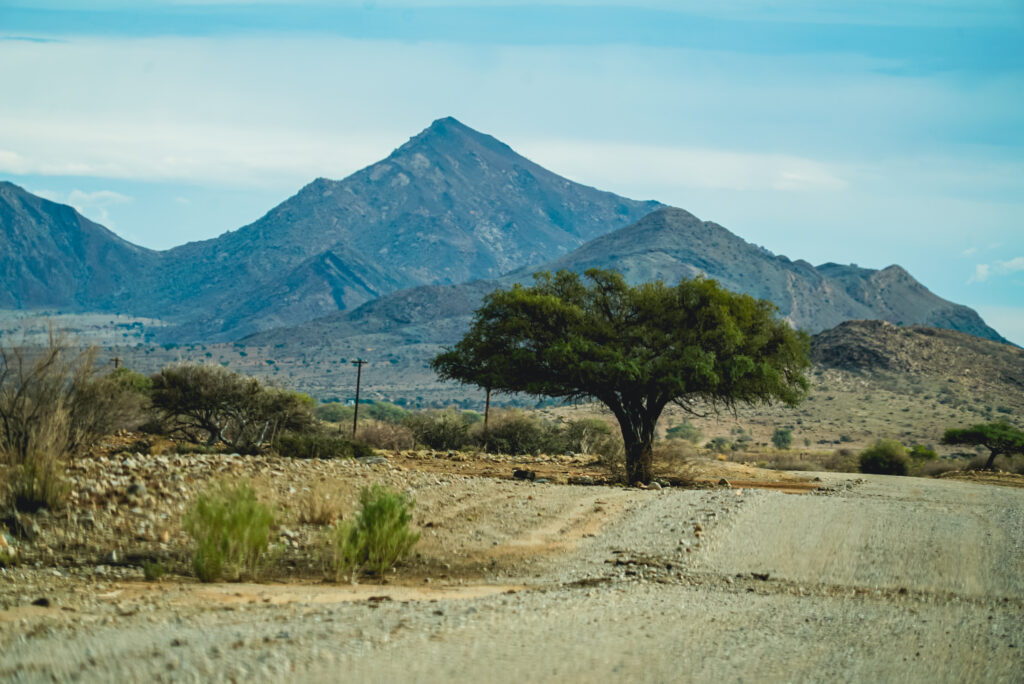
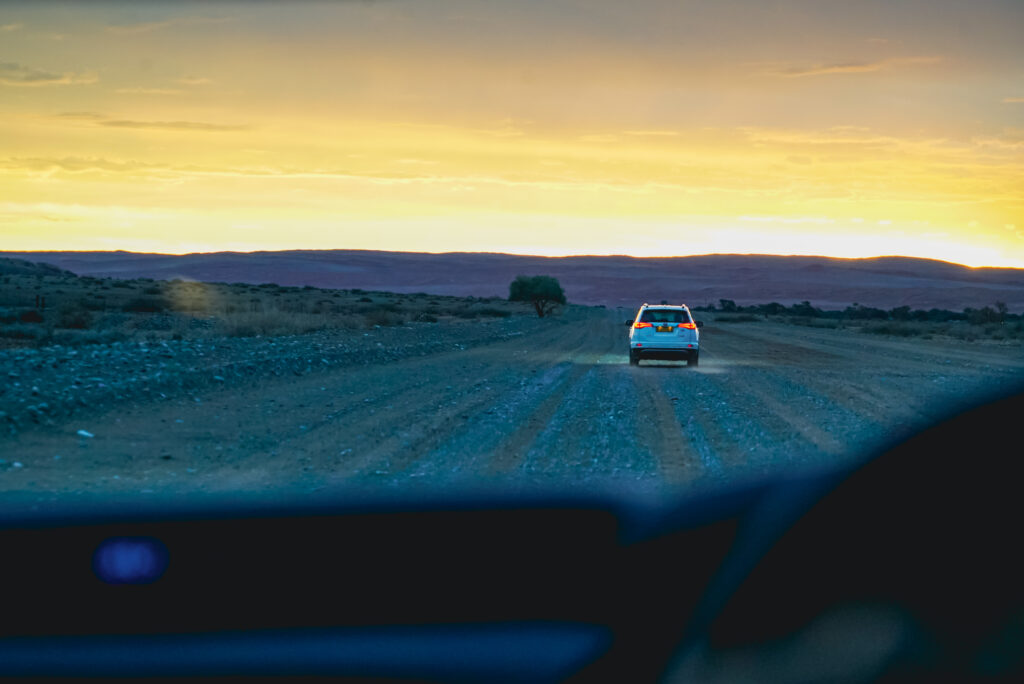
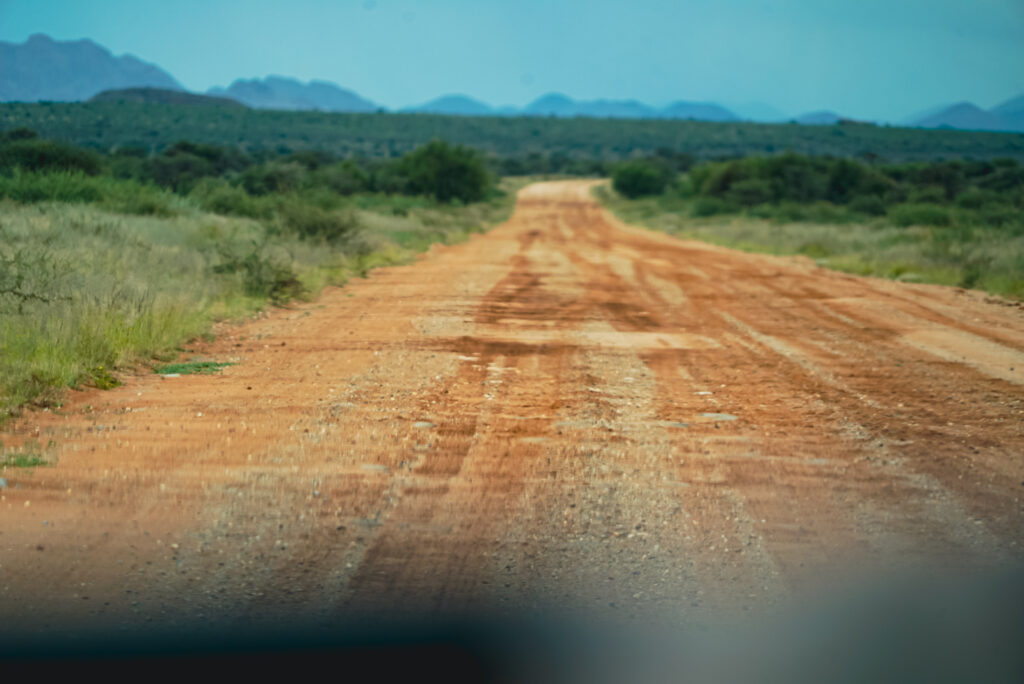
We personally rented a car in Luang Prabang and later drove to Vientiane. It’s important to know: that drive is intense. The road is long, full of potholes, steep climbs, and constant turns. Beautiful, yes — but physically demanding. If you choose this route, plan carefully and don’t rush.
Tak Bat – The Morning Alms Ceremony
One of the most moving experiences in Luang Prabang is Tak Bat, the daily monk alms ceremony. At sunrise, monks walk silently through the streets, collecting offerings of sticky rice from locals.
It’s deeply spiritual and very quiet. Visitors are welcome to observe, but respect is essential. Stand back, dress modestly, and don’t interrupt the ritual. Watching this ceremony is a powerful reminder of how deeply Buddhism shapes daily life here.
The Fire Boat Festival – A Special Time to Visit
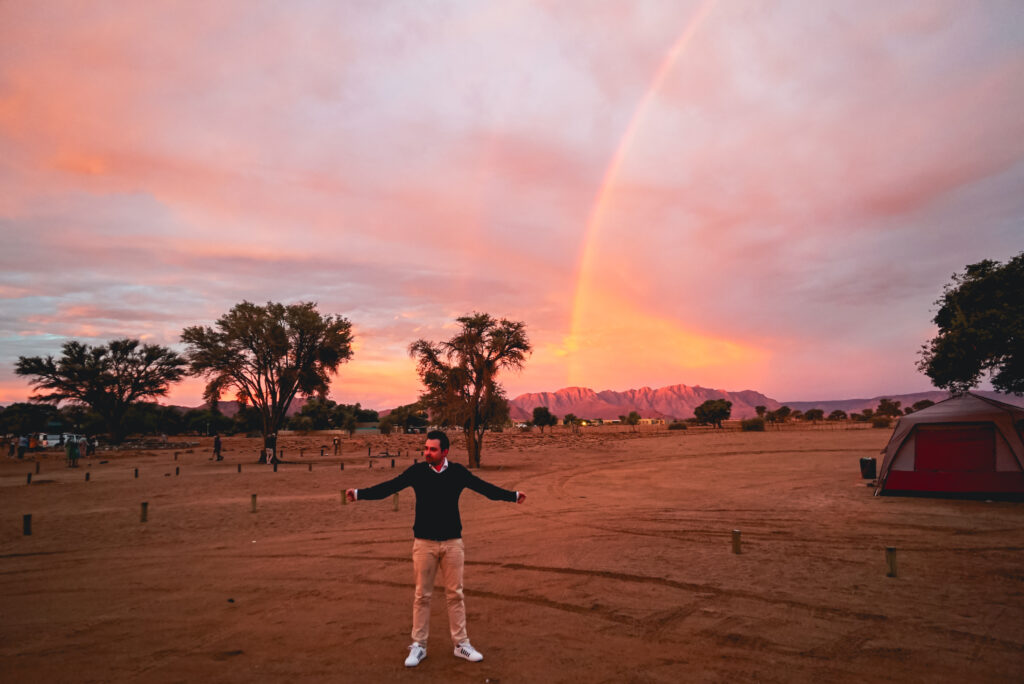
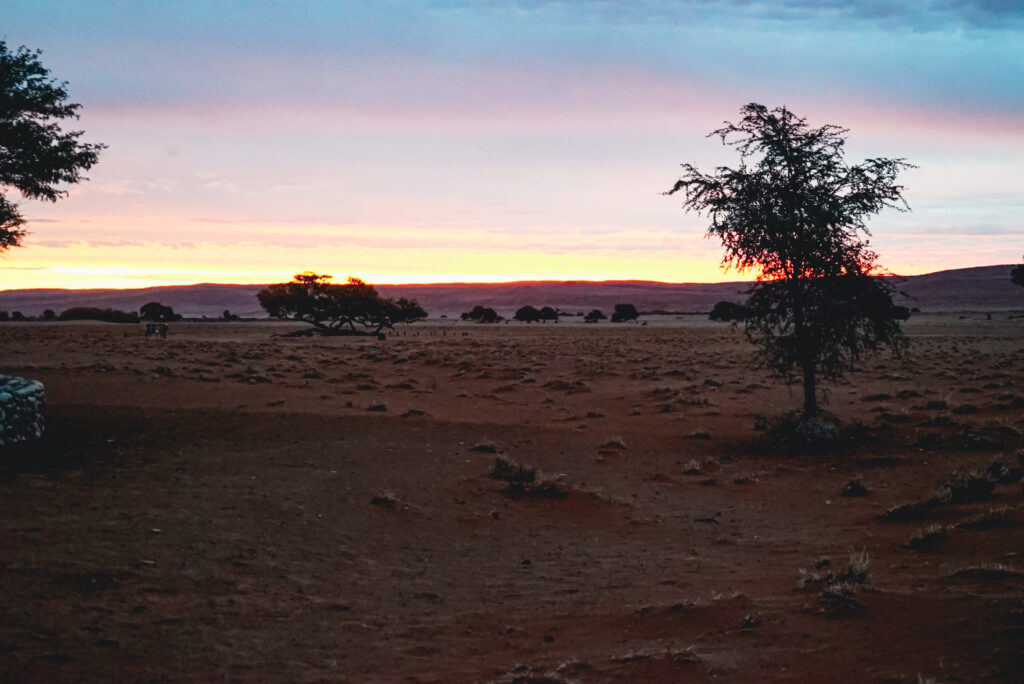
We were lucky to be in Luang Prabang during a Buddhist festival in October, often associated with illuminated boats and ceremonies along the river. During this time, the town feels especially alive.
Temples glow at night, people gather near the river, and decorated boats — sometimes with candles or lights — are part of the celebrations. It’s spiritual, festive, and incredibly atmospheric. Experiencing Luang Prabang during a festival adds an extra layer of meaning to your visit.
Temples & the Royal Palace
Luang Prabang is filled with temples, but Royal Palace Museum stands out. Once home to the Lao royal family, it now functions as a museum showcasing religious artifacts and royal history.
Other temples are everywhere — quiet, golden, and beautifully maintained. You don’t need to visit them all. Simply wander and step inside the ones that draw you in.
Kuang Si Falls – A Must-See Nature Escape
A visit to Kuang Si Falls is essential. Located just outside Luang Prabang, these multi-tiered turquoise waterfalls are stunning.
You can swim, walk along jungle paths, and spend hours enjoying the scenery. It’s one of the most beautiful natural spots in Laos and easily reachable as a half-day trip.
Rice Fields & Countryside Around Luang Prabang
Beyond the town itself, the countryside is peaceful and green. Rice fields stretch out toward the hills, small villages dot the landscape, and life moves at a completely different rhythm.
Renting a scooter or joining a countryside tour lets you experience this quieter side of the region — simple, authentic, and deeply relaxing.
Morning Market – Real Life at Sunrise
The morning market in Luang Prabang starts early and feels entirely local. Vendors sell vegetables, herbs, fish, and ingredients you won’t recognise — but that’s exactly the charm.
This is where locals shop, not tourists. Walking through the market gives you a raw, honest look at daily life before the town fully wakes up.
Night Market – A Luang Prabang Classic
In the evening, the night market takes over the main street. You’ll find handicrafts, textiles, souvenirs, and plenty of food stalls.
It’s lively but never overwhelming. You browse, snack, sit down, and enjoy the atmosphere. It’s one of the nicest night markets in Southeast Asia.
Eating & Evenings Along the Mekong
Luang Prabang shines in the evenings. Restaurants line the riverbanks, and there’s nothing better than sitting down with dinner while the sun sets over the Mekong.
Watching boats drift by, lights slowly appear, and the air cools — these are the moments you remember. Food ranges from local Lao dishes to international options, all served at a relaxed pace.
Café Culture – Coffee & Cake Breaks
Luang Prabang also has a charming café culture. Thanks to French influence, you’ll find great coffee, pastries, and cakes.
Stopping for a coffee and a piece of cake during the afternoon feels almost ritualistic here. It’s a perfect pause between temple visits and evening plans.
Massages in Luang Prabang – Pure Relaxation for Almost Nothing
After days of walking, temple hopping, and market visits, a good massage in Luang Prabang feels almost essential. The town is full of small massage salons, ranging from very simple local places to slightly more comfortable spa-style settings.
What makes it extra special is the price. For very little money, you can enjoy a full traditional Lao massage that leaves you completely relaxed. No luxury needed — even the basic places often deliver excellent quality. Calm atmosphere, gentle techniques, and no rush.