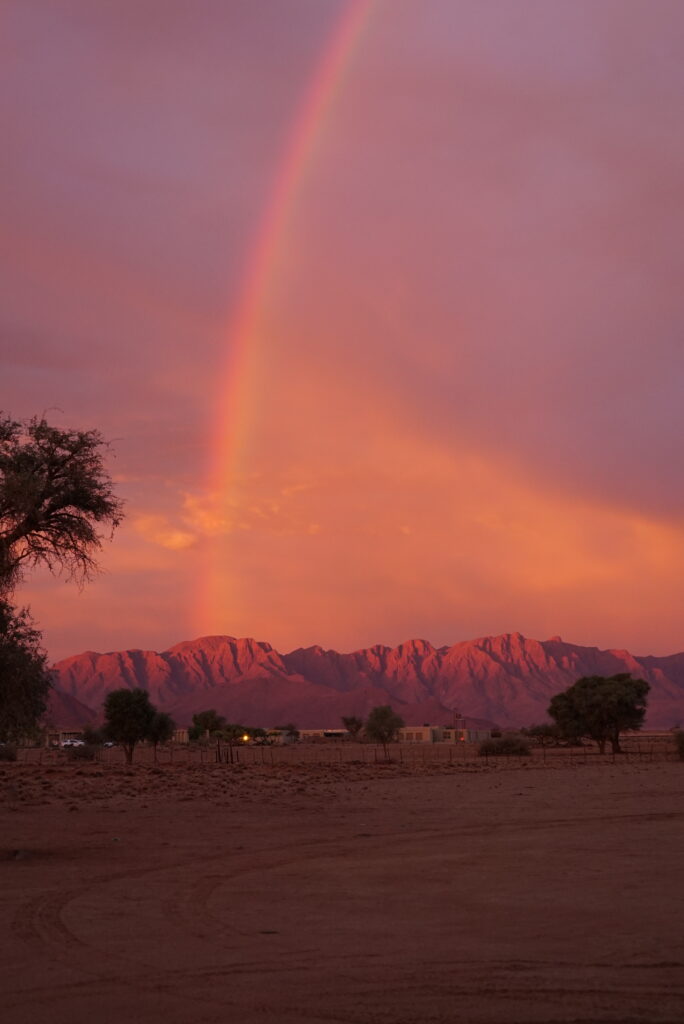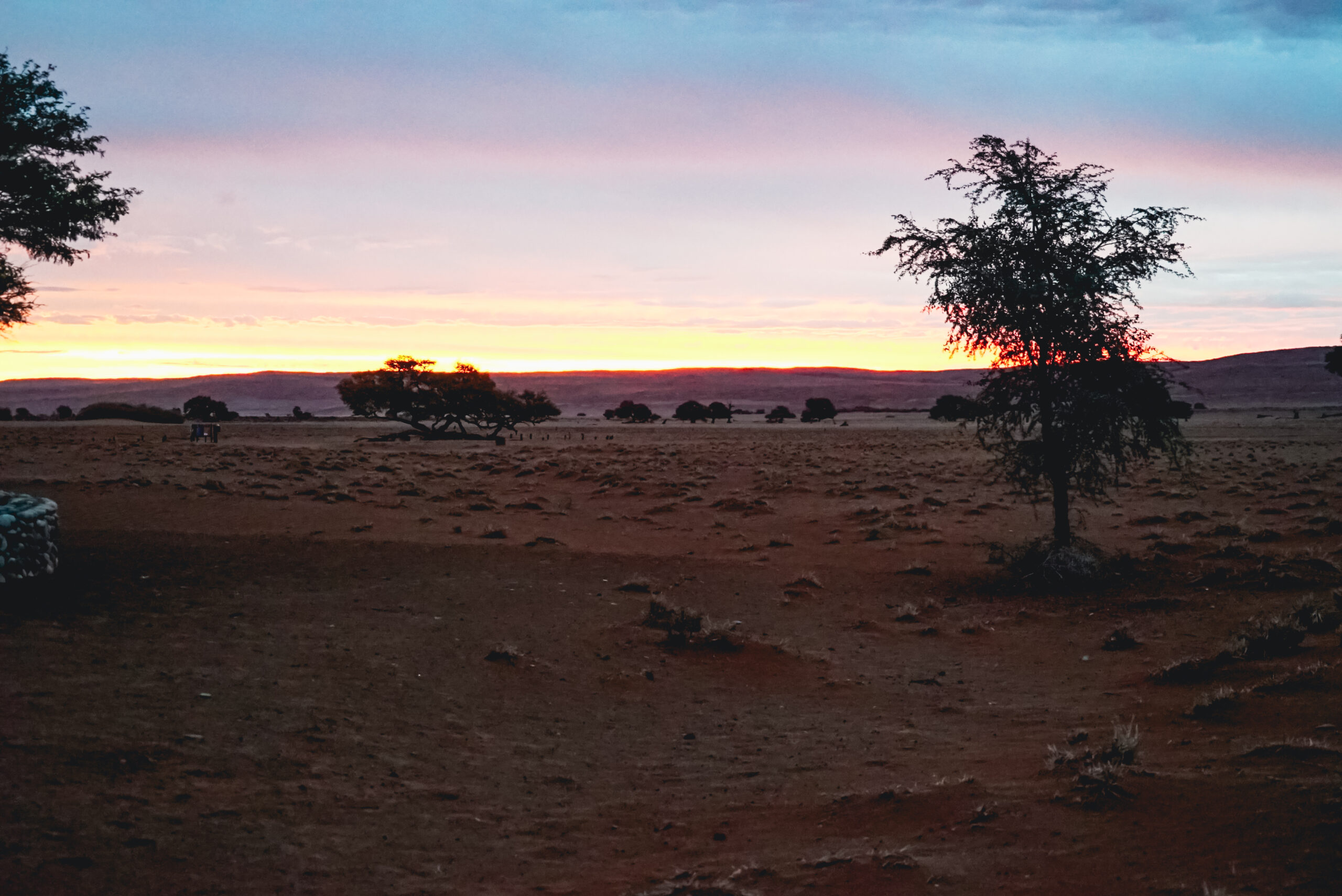




Udawalawe National Park feels different from the moment you arrive. There’s no jungle wall swallowing you whole, no sense of being trapped in dense forest. Instead, the landscape opens up. Wide plains, scattered trees, water reservoirs, and endless sky. This openness is exactly what makes Udawalawe so special.
From the first minute inside the park, you feel that this safari is about seeing, not guessing. Wildlife here doesn’t hide easily. You’re not peering into bushes hoping for movement — animals are simply there, living their lives in front of you.
A Short History of Udawalawe National Park
Udawalawe National Park was officially established in 1972, mainly as a response to the construction of the Udawalawe Reservoir. When the dam was built, large areas were flooded, and wildlife was displaced. The park was created to protect these animals and provide a stable ecosystem around the reservoir.
Over time, Udawalawe became one of Sri Lanka’s most successful conservation stories, especially when it comes to elephants. Today, the park is not only a safari destination, but also a crucial protected area that balances water management, wildlife protection, and tourism.
The Safari Experience – What a Game Drive Really Feels Like
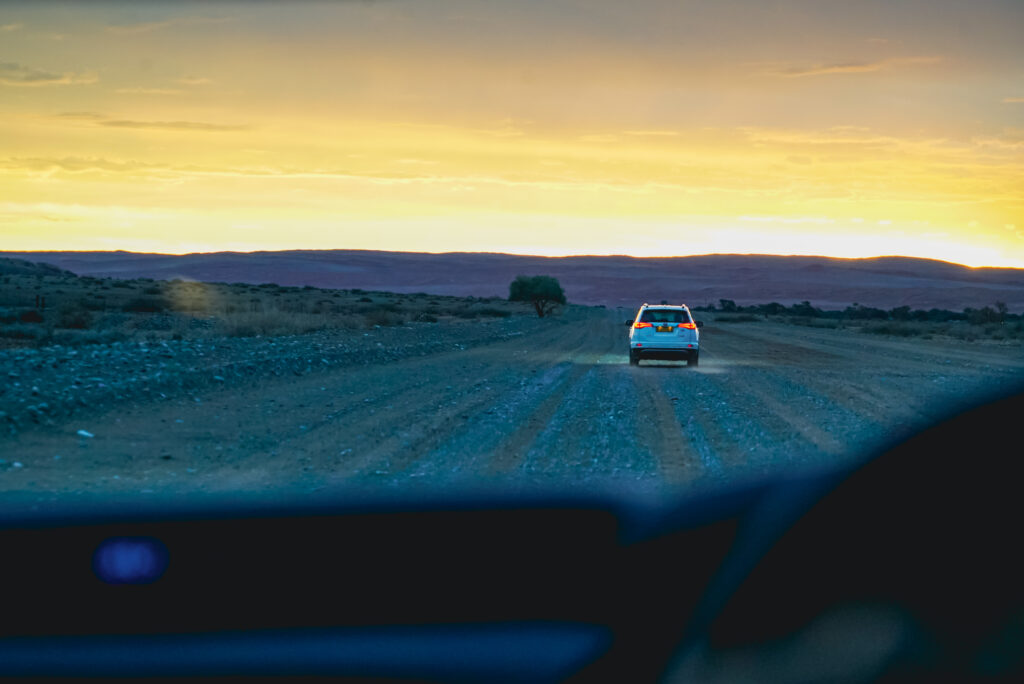
A safari in Udawalawe is calm, slow, and immersive. You enter the park in a 4×4 jeep, usually early in the morning or late afternoon. These are the moments when animals are active and temperatures are more comfortable.
The jeep moves slowly across dirt tracks, stopping often. There’s no rush. Drivers are experienced and constantly scanning the landscape. They communicate quietly with other jeeps, sharing sightings, but without creating chaos. This feels respectful — toward both animals and visitors.
You’re not “hunting” sightings. You’re observing life.
Elephants – The True Icons of Udawalawe
Udawalawe is famous for one thing above all else: elephants. And rightfully so. This park has one of the highest elephant populations in Sri Lanka, and sightings are almost guaranteed.
You’ll see lone males, family herds, mothers with babies, and juveniles playfully interacting. Watching elephants drink from waterholes, slowly cross the road, or stand silently under trees is deeply moving. There’s a sense of calm power about them that photos can’t fully capture.
This is not a circus. This is wildlife as it should be.
Buffalo, Deer & Grazing Wildlife
Beyond elephants, Udawalawe is full of grazing animals that thrive in open landscapes. Water buffalo often cool themselves in muddy pools, barely reacting to passing jeeps. Spotted deer move gracefully in groups, alert but not panicked.
You’ll also encounter sambar deer, wild boar, and smaller mammals. These animals form the backbone of the ecosystem and are seen frequently, especially near water and open grassland.
Leopards – Rare, But Possible
Yes, Udawalawe does have leopards — but spotting one is rare. This is not a park known for guaranteed big-cat sightings. Leopards here are elusive, mostly nocturnal, and prefer quieter corners of the park.
That said, knowing they exist adds tension to every bend in the road. Every movement in the grass feels meaningful. And if you do spot one? That becomes a once-in-a-lifetime moment.
Birdlife – An Unexpected Highlight
Many people underestimate Udawalawe’s birdlife, but it’s incredible. The reservoir attracts countless water birds, while trees and open plains host raptors and colourful species.
You’ll likely see peacocks, eagles, kingfishers, storks, ibis, and many others. For photographers, the light here is perfect — especially early in the morning when mist hangs low over the water.
The Landscape – Open, Wild & Photogenic
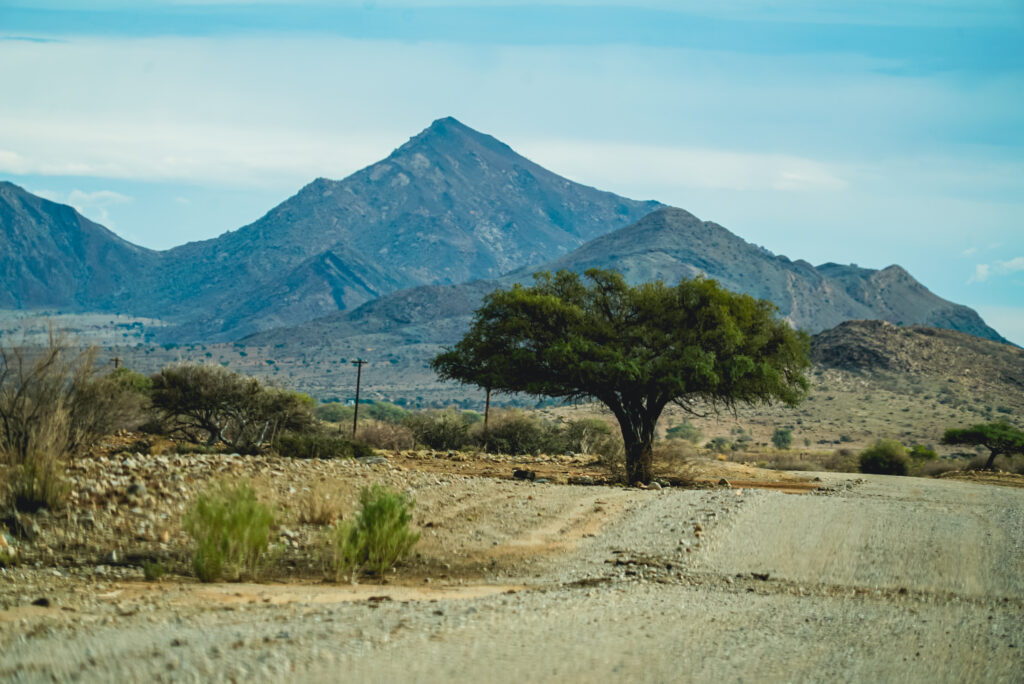
Udawalawe’s terrain is what sets it apart. Instead of dense jungle, you get open grasslands, scattered trees, rocky outcrops, and vast water views. This makes wildlife easier to spot and gives the park a raw, African-style safari feel.
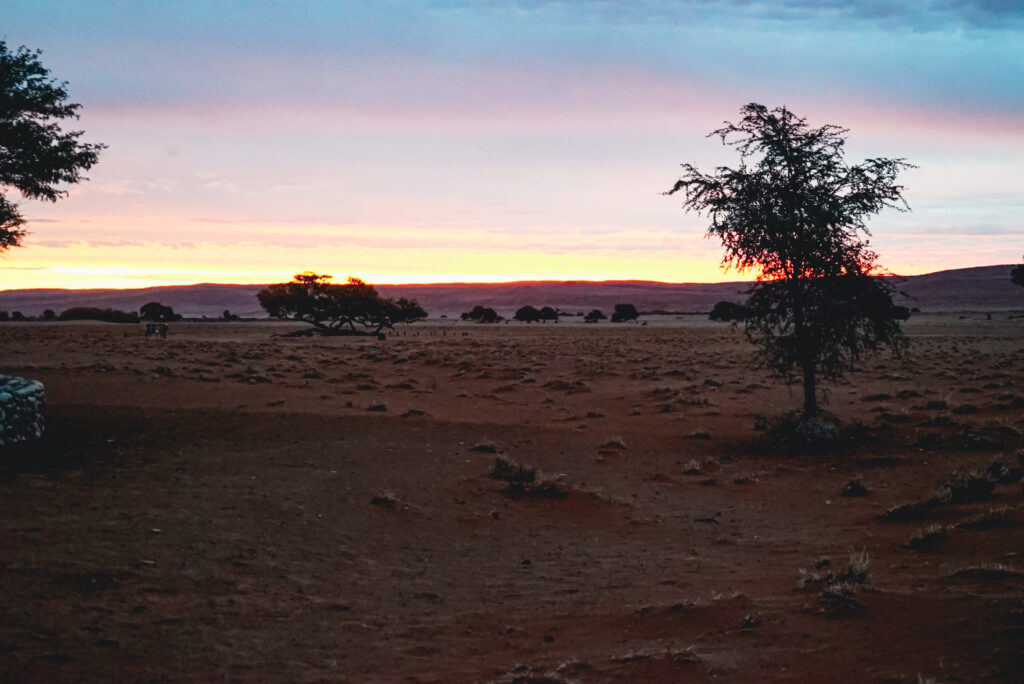
Sunrise and sunset here are breathtaking. The sky changes colour, dust hangs in the air, and silhouettes of elephants move across the plains.
Where to Stay – Lodges & Guesthouses Near the Park
There are no large resorts inside the park, but excellent lodges and guesthouses just outside the gates. Many are designed specifically for safari travelers, offering early breakfasts, packed lunches, and jeep arrangements.
Staying nearby allows you to enter the park early, avoid traffic, and fully enjoy the safari rhythm. Nights are quiet, with sounds of nature instead of city noise.
How to Get to Udawalawe
Udawalawe is best reached by car or private driver. Many travelers come from Ella, Tangalle, Mirissa, or other southern coastal towns. The drive itself is scenic and manageable.
Public transport exists, but it’s less convenient if you want flexibility and early safari starts.
Entrance Fees & Safari Costs – What to Expect
Entrance fees are paid at the gate and vary slightly, but expect around USD 25–30 per person. A private safari jeep usually costs USD 40–70 per jeep, depending on season and duration.
When shared among a group, the safari is very affordable — especially considering the quality of the experience.
Best Time to Visit Udawalawe
Udawalawe can be visited year-round, but dry months offer the best sightings, as animals gather around water sources. Morning safaris are cooler and quieter; afternoon safaris offer dramatic light and active wildlife.